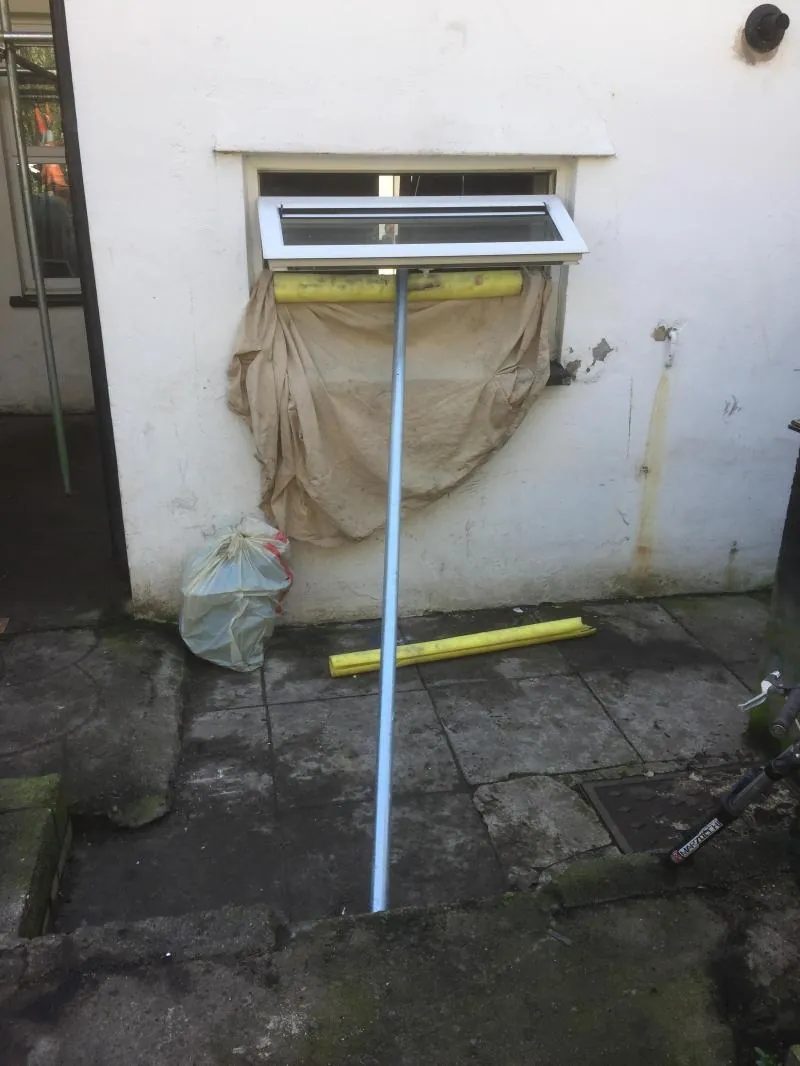
 Domestic Scaffolding
 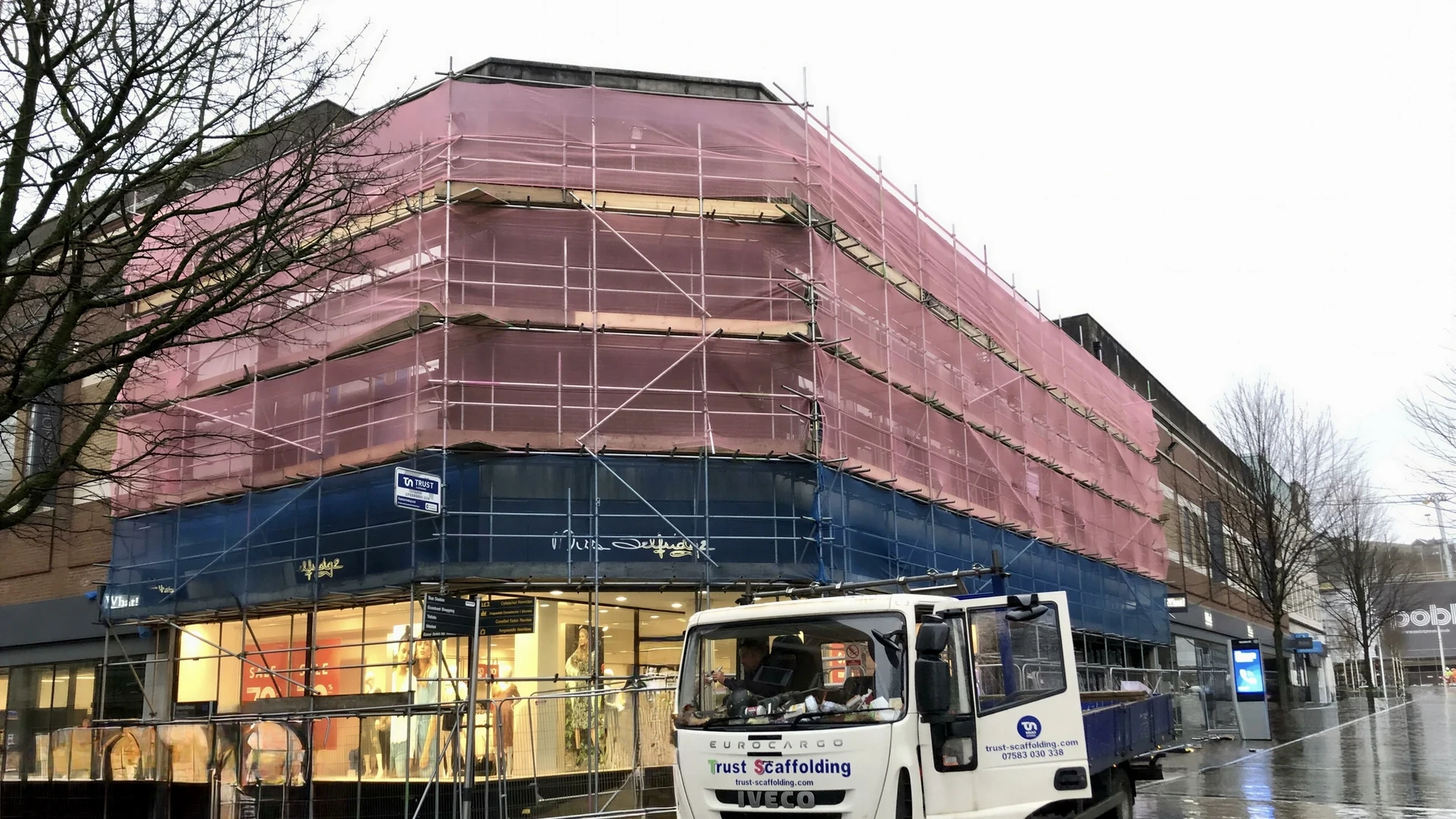 Commercial Scaffolding
 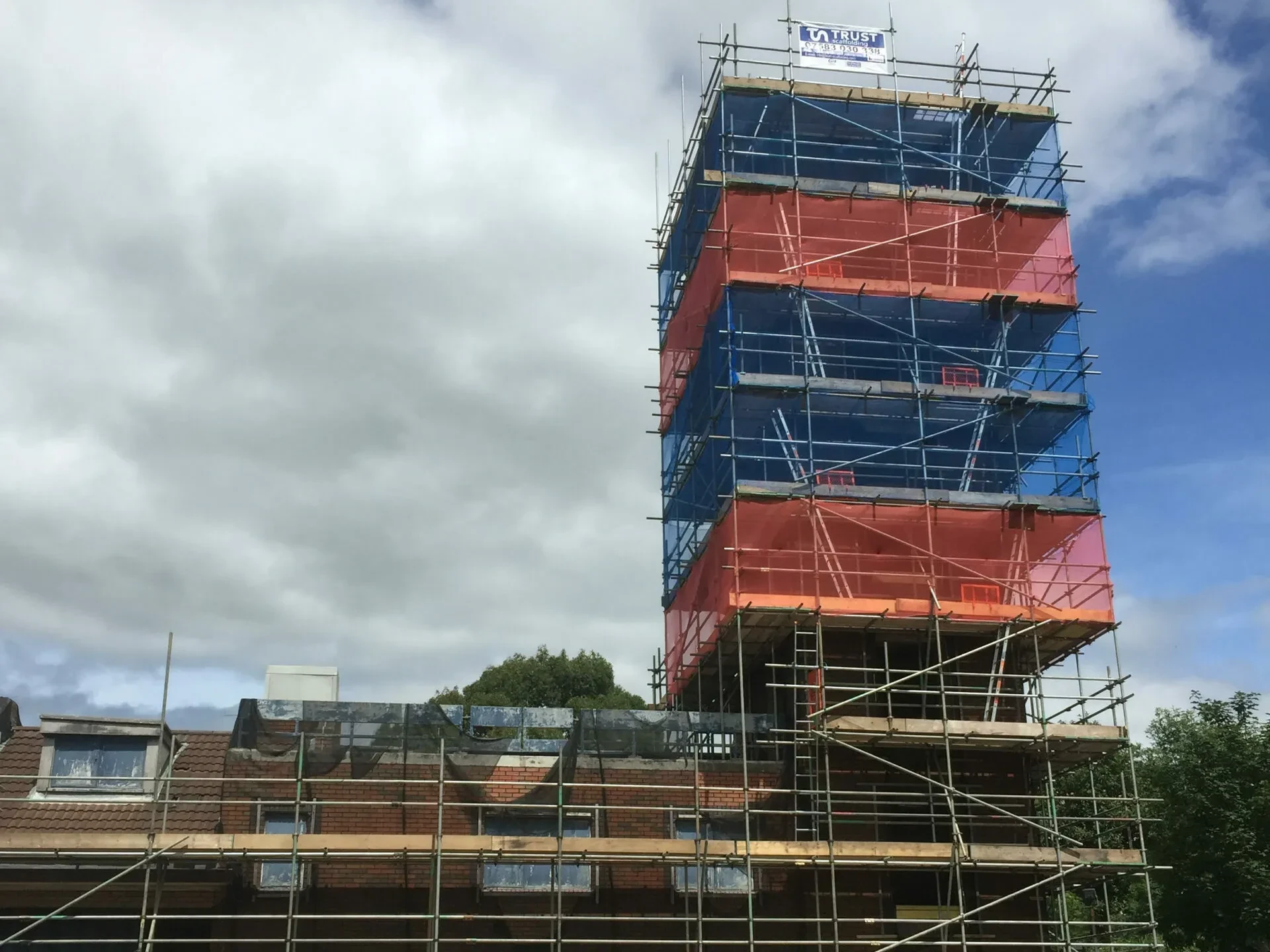 Industrial Scaffolding
 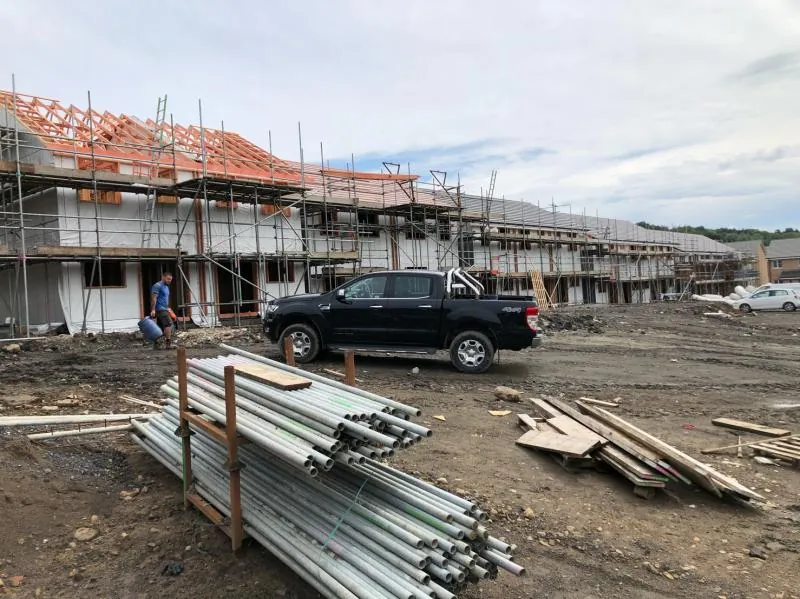 New Build Scaffolding
 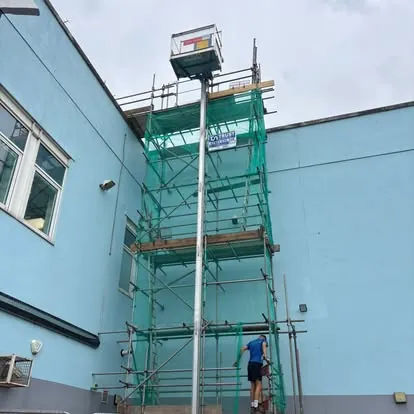 Access Towers
 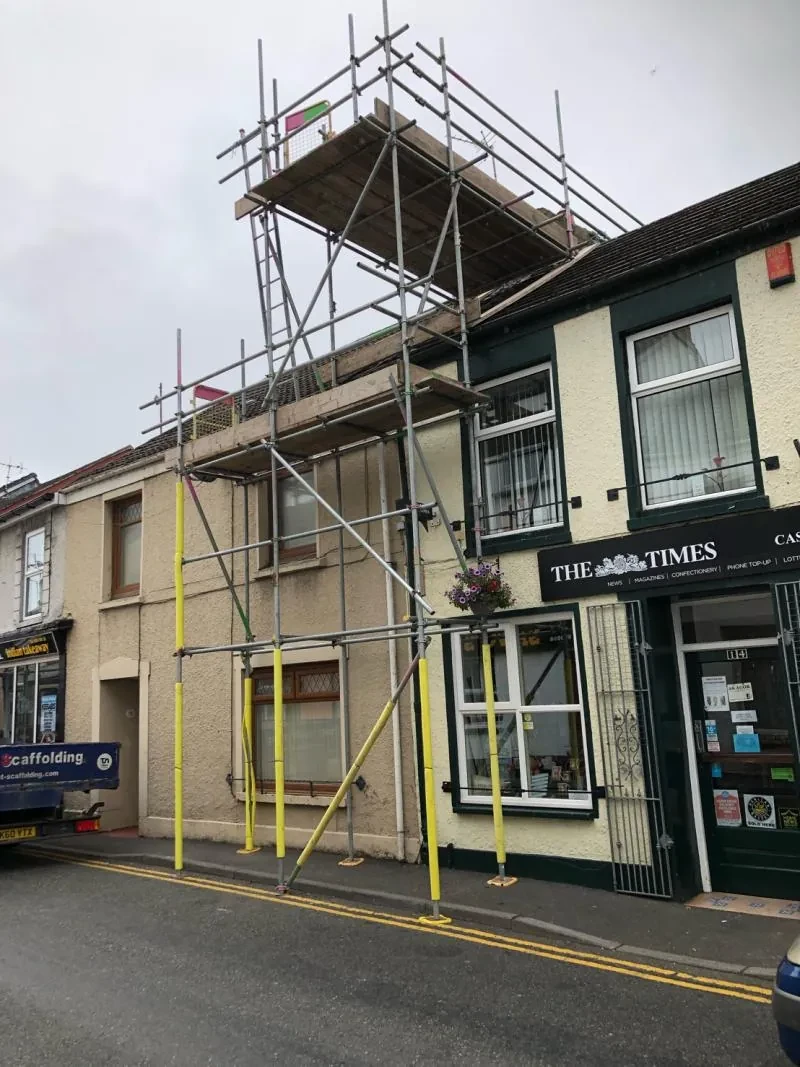 Chimney Scaffolding
 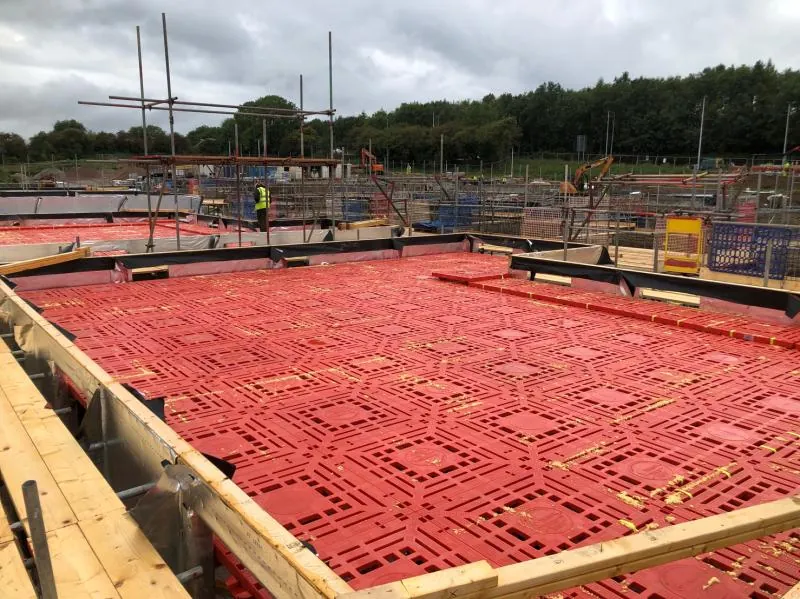 Interior Scaffolding
 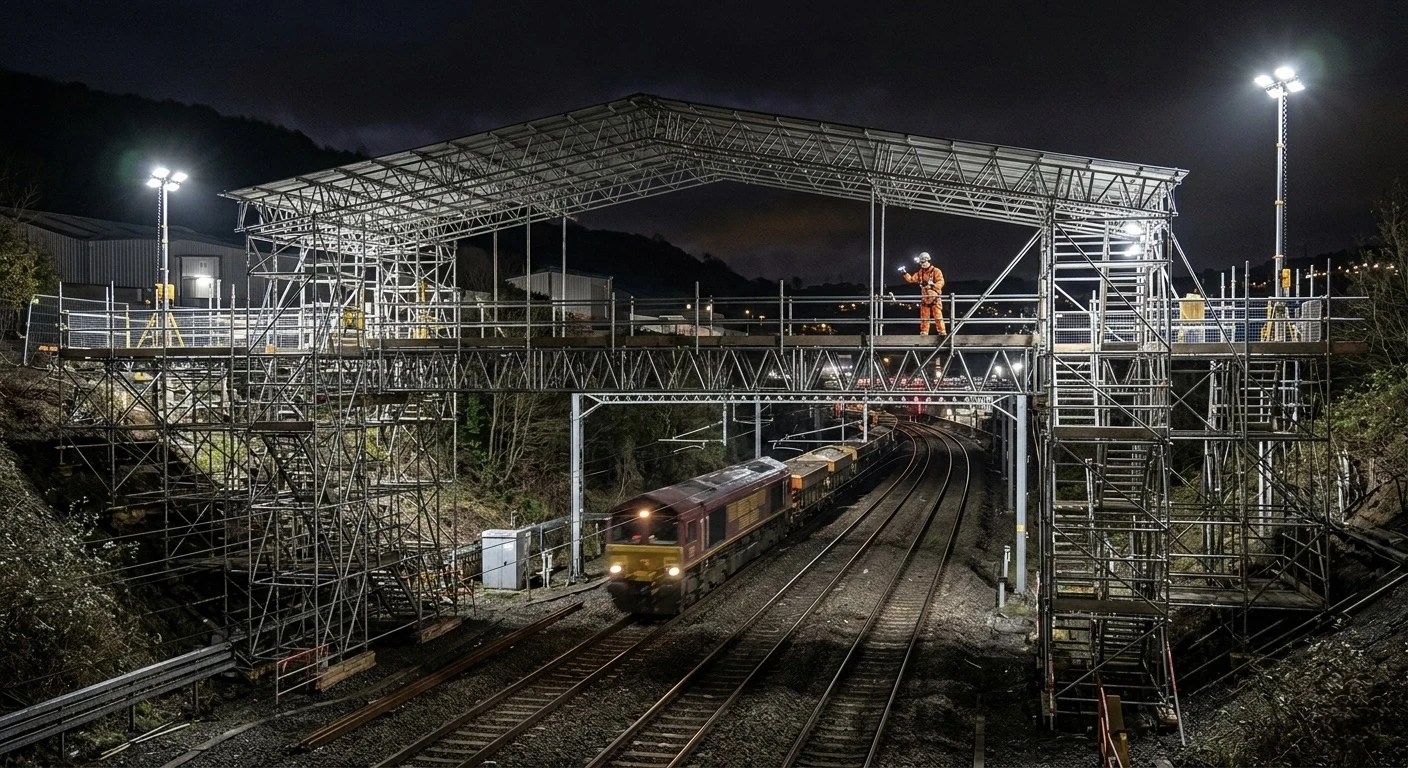 Rail Scaffolding
 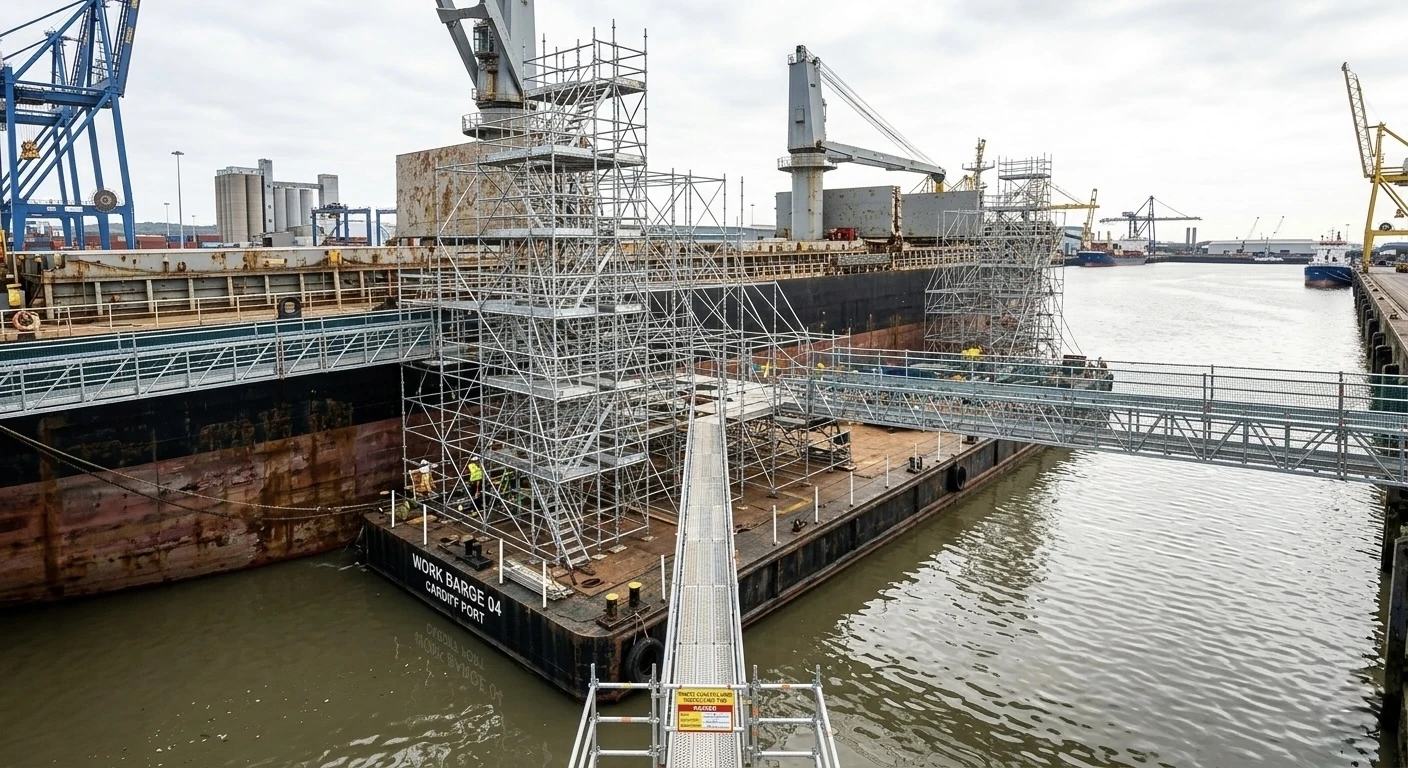 Marine Scaffolding
 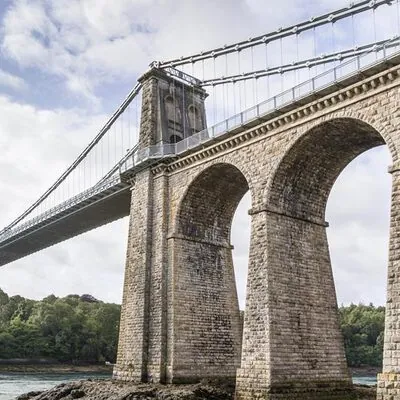 Bridge Scaffolding
  Heritage Scaffolding
 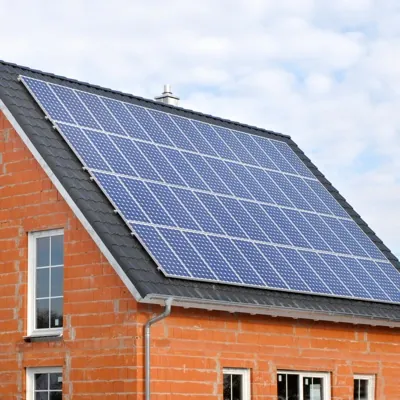 Solar Panel Scaffolding
 Swansea
  Port Talbot
  Neath
Neath  Llanelli
  Carmarthen
  Ammanford
  Haverfordwest
 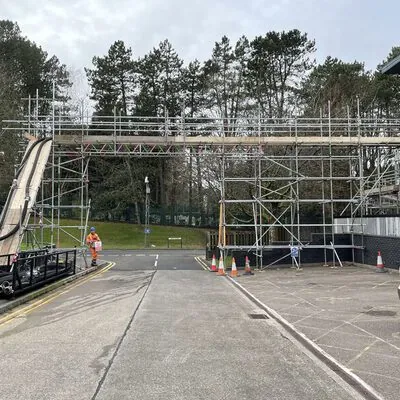 Pembroke Dock
  Cardiff
  Newport
  Bridgend
  Pontypridd
  Merthyr Tydfil
  The Valleys
  Caerphilly
  Bristol
  Avonmouth
  Bath
Bath  Weston-super-Mare
  Gloucester
  Cheltenham
  Taunton


Access Towers
When full scaffolding is overkill — internal atriums, chimney stacks, tight-space maintenance, out-of-hours refits — Trust Scaffolding's PASMA-trained teams deliver the right tower fast. Serving Cardiff, Swansea, Neath, and across South Wales.

Mobile & Static Access Towers: Rapid, Versatile Access Solutions
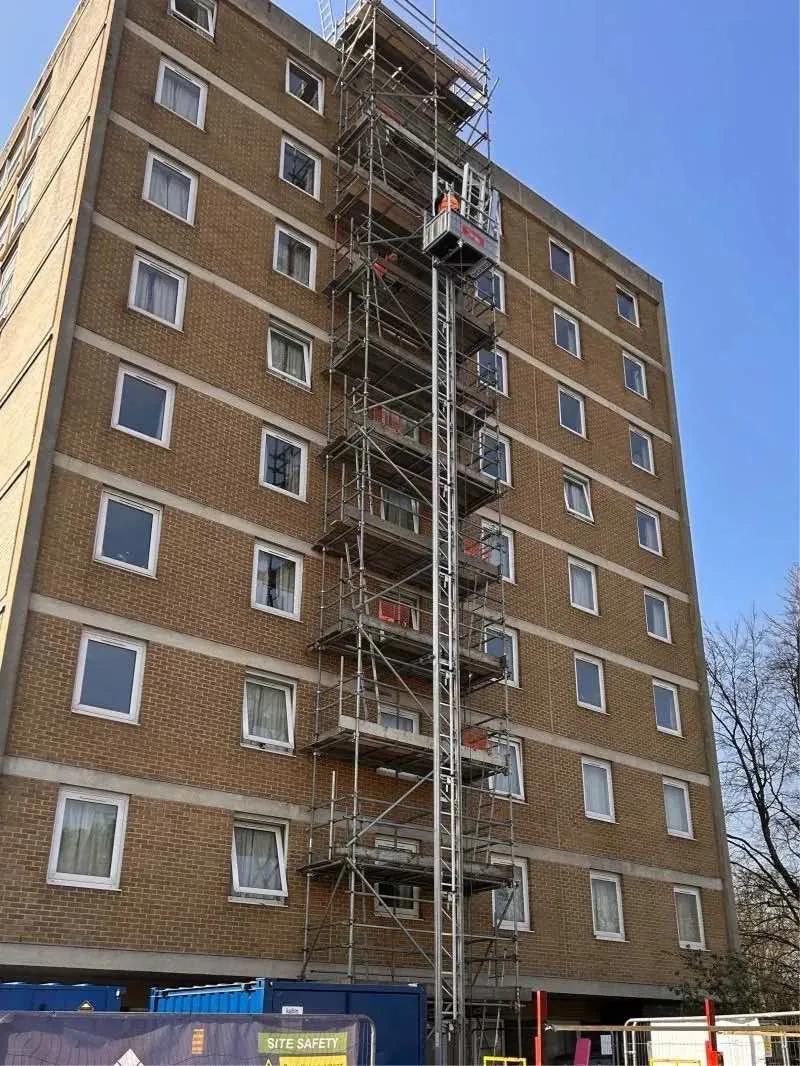
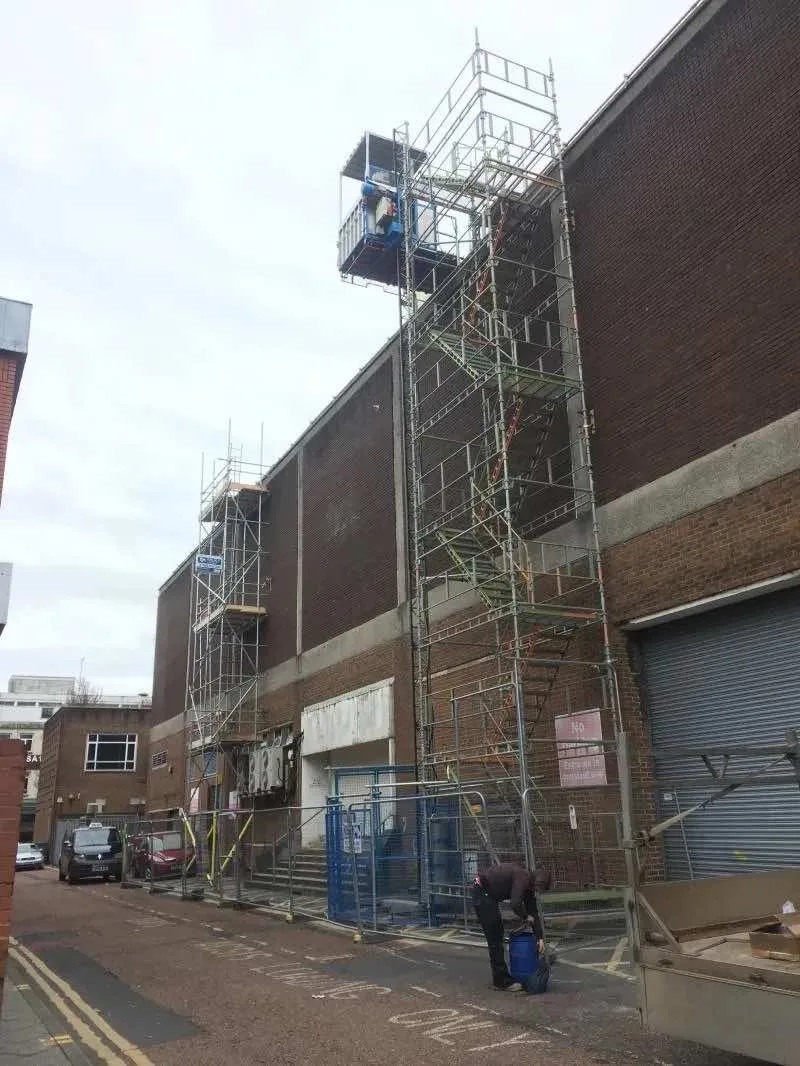
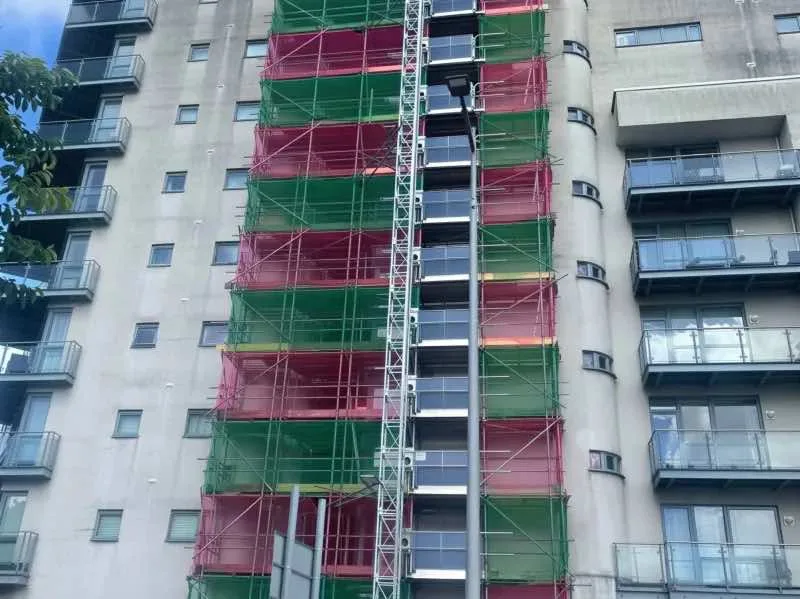
Access towers – also known as mobile scaffold towers – are free-standing, wheeled scaffolds that provide quick, flexible working platforms at height without the need for a full fixed scaffold. They include variations like stair towers (with built-in stairs for easy climbing) and ladder towers (which use integrated ladders for access). These mobile towers are ideal for short-duration tasks, indoor projects, and any situation where a traditional scaffolding would be impractical. Trust Scaffolding supplies and professionally erects mobile access towers, stair towers, and ladder towers across Cardiff, Swansea, Neath, Port Talbot, Bridgend, Newport – anywhere in South Wales – with quick delivery, safe installation, and prompt removal when the job is done.
Last updated: March 2026
Key Takeaways
- Mobile scaffold towers offer a fast, cost-effective alternative to full scaffolding for short-term or limited-space work
- Indoor-friendly narrow towers fit through standard doorways; sturdier outdoor towers handle tasks up to ~12m high
- Every tower includes guardrails, toe boards & stabilisers, erected by PASMA-trained professionals – no DIY self-assembly hire
- PASMA-compliant aluminium towers meeting BS EN 1004 standards, installed by CISRS-certified experts
- Short-term & long-term hire with quick-turnaround delivery, assembly & dismantling across South Wales
When to Use Mobile Access Towers vs. Fixed Scaffolding
Mobile access towers (also called scaffold towers) excel in situations where you need a safe work platform quickly and for a shorter duration. They can be assembled and moved with relative ease, making them perfect for many maintenance, decorating, and light construction tasks. For example:
- Interior work: Painting high walls or ceilings, installing lighting or HVAC in tight spaces, or doing retail refits after hours. A tower can be wheeled into place and give workers a stable platform at various heights. Unlike full scaffolds, towers fit in confined indoor areas and won't require tying into the building.
- Small-scale exterior work: If you have a one- or two-day job like gutter cleaning, minor roof repairs, window replacements, or signage installation, a mobile tower saves the time and cost of erecting a full scaffold. Towers are relatively quick to erect compared to traditional scaffolding, so for short projects they're more efficient.
- Sites with limited space: In alleys, back gardens, or between structures where a scaffold can't be easily built, a narrow tower scaffold provides the needed height without a large footprint. Because towers are free-standing, they don't rely on a building for support, which is useful in open areas like churches or atriums with high ceilings.
Where Access Towers Excel — Quick Use Case Guide
- Internal atriums & vaulted ceilings — non-marking base plates protect finished floors
- Domestic chimney stack & pot repairs — compact tower vs. full scaffold saves cost
- Street-lamp & signage maintenance — narrow tower fits between kerb and pavement
- Retail & commercial refit (out of hours) — roll in, lock off, pack away by morning
- Church & heritage building maintenance — free-standing; no anchor ties into protected stonework
- HVAC, electrical & facilities management — mobile platform follows the technician around the space
On the other hand, fixed scaffolding (the type that's built around a building and firmly anchored) is better for large-scale or long-term projects. If you need to access extensive facades, support heavy materials, or provide a working platform along an entire building elevation, a full scaffold is more suitable. Traditional scaffolding can handle greater loads and complex configurations that a tower cannot. It's also the safer choice when multiple tradespeople need to work simultaneously across a broad area (e.g. whole sides of a building).
In summary, use an access tower for speed, flexibility, and smaller scope work, and choose independent scaffolding for heavy-duty, expansive projects. Our team will advise you on the best option for your needs. Often, we recommend towers for jobs under a week or in confined spaces, and scaffolding for anything that exceeds the safe height or workload of a tower. Safety and cost-effectiveness are our guiding factors – we'll never put you on a tower where a scaffold is warranted, and vice versa.
Choosing the Right Access Tower Configuration
Not all access towers are the same – selecting the proper type of tower ensures the job is done safely and efficiently. Trust Scaffolding offers a range of tower configurations to suit different site requirements:
- Narrow Width Towers: These compact towers (typically ~0.7m wide) are designed to fit through standard doorways and corridors. They're ideal for indoor work or any tight space like stairwells or between machinery. Despite their smaller size, they include all necessary safety features (guardrails, locking wheels, outriggers for stability) to keep you secure even in constrained areas.
- Standard/Wide Towers: Standard mobile towers (often ~1.3m wide or more) provide a larger platform area and greater stability for outdoor use or projects where you have room to operate. The broader base and platform can accommodate two workers plus tools or materials comfortably. These towers can reach heights of 8–12 metres (and sometimes more with additional bracing) to tackle exterior jobs like painting facades or installing signage on multi-storey buildings.
- Stair Access Towers: When work at height needs frequent up-and-down access, a stair tower is the answer. Stair access towers incorporate a stairway within the scaffold tower, allowing safe, convenient climbing for workers carrying tools or supplies. Many construction sites now require stair towers instead of ladders under the Work at Height Regulations 2005, as they provide a safer, more ergonomic way to reach different levels.
- Ladder Towers: A ladder tower is essentially a small tower with a built-in ladder that provides access to a higher platform or a roof. Trust Scaffolding can install ladder access towers to let tradespeople safely climb onto scaffolds or roofs instead of using standalone ladders (which are less secure). These towers are tied in place for stability and include landing platforms.
- Cantilever & Linked Towers: For highly specialised needs – such as reaching over an obstacle (cantilever) or spanning a larger area by connecting towers with a bridge – there are advanced configurations. Our team can design a bespoke access solution, incorporating cantilever sections or linking multiple towers with staging boards for a wider work platform. These setups are planned and calculated by our scaffold design experts to ensure they remain safe and stable.
Each project is unique – we'll help you choose the right tower type, dimensions, and any accessories (outriggers, additional stabilisers, bridging sections) to meet your needs. All our towers, whether narrow or wide, include double guardrails, toe boards, lockable castors, and other safety elements as standard. If a job ever goes beyond what a tower can safely do, we will recommend a transition to a full scaffold rather than compromise on safety.
Technical Specification — At a Glance
| Specification | Narrow Tower | Standard Tower |
|---|---|---|
| Material | Lightweight aluminium | Lightweight aluminium |
| Platform width | ~0.7 m (fits standard doorways) | ~1.3 m (2-person platform) |
| Max working height | Up to 8 m | Up to 12 m + |
| Footprint | Minimal — fits narrow alleys & corridors | ~1.3 m × 2.5 m base |
| Compliance | BS EN 1004-1:2020 · Work at Height Regulations 2005 · PASMA | |
| Best for | Indoor / confined-space work | External or open-area work |
DIY Scaffold Towers vs. Professional Hire
With many equipment hire shops offering scaffold towers for DIY use, you might wonder: should you assemble a tower yourself, or hire professionals? It's an important question in 2026, as safety standards have tightened and the HSE emphasises competence for work-at-height.
A mobile tower can be self-assembled and used by a competent person – but only if you (and any helpers) have proper training and experience. PASMA (Prefabricated Access Suppliers' and Manufacturers' Association) offers a 'Towers for Users' course, and it's recommended that anyone building or using a tower have a current PASMA certification. When you hire a tower from a typical tool hire company, the responsibility for safe assembly is entirely on you. UK law requires that tower scaffolds used in construction be inspected by a competent person after erection and at least every 7 days thereafter. Any mistakes in assembly or misuse can lead to serious accidents – many construction accidents involve towers that were improperly assembled or used by untrained individuals.
Don't risk a 'hired' tower. Our teams are PASMA-trained to ensure every tower is correctly levelled, braced, and tied according to strict safety legislation — protecting you from liability, HSE enforcement action, and invalidated insurance claims. You aren't just buying poles and boards; you're buying liability protection.
Engaging a PASMA-trained or CISRS-certified scaffolding team (like Trust Scaffolding) to supply and erect your access tower shifts the burden of safety onto experienced professionals. We handle everything – delivering the right tower for the job, assembling it on-site according to the manufacturer's instructions and industry best practices, and thoroughly inspecting it before handover. Our operatives have built hundreds of towers in all configurations, so you can be confident the structure is safe and stable. Many insurance companies and commercial clients require that scaffold towers on their sites be erected by qualified personnel and accompanied by proper inspection records.
Safety and compliance should be the deciding factors. Trust Scaffolding does not offer self-assembly tower hire for exactly this reason – we care that every tower leaving our yard is used safely. By providing a turnkey service (delivery, erection, inspection, dismantling), we protect our clients and their workers from the risks of incorrect assembly. Professional assembly saves time and prevents costly accidents or fines.
Access Tower Safety Guidelines
Whether you're using an access tower we've installed or simply want to understand best practices, it's critical to follow strict safety guidelines for scaffold towers. Mobile towers are very safe when used properly, but misuse can lead to falls or tip-overs. Here are some 2026 best-practice safety guidelines we adhere to during our operations:
- Use Trained Personnel: Always have trained and competent people erect, inspect, and use the tower – someone with PASMA certification or an experienced CISRS-qualified scaffolder.
- Follow Manufacturer Instructions: Assemble the tower exactly per the instruction manual. We use the 3T (Through-The-Trapdoor) or Advance Guardrail methods to ensure nobody stands on an unguarded platform during build or dismantling.
- Base and Stability: Erect towers on firm, level ground and lock the castor wheels before going aloft. Always install the required stabilisers or outriggers for taller towers. The tower's height should not exceed the manufacturer's recommended maximum free-standing height.
- Guardrails and Toeboards: Ensure every platform above 2m has proper guardrails on all sides (top rail around 1.0m high and intermediate rail) and toeboards to prevent tools from falling.
- Digital Scafftags & Regular Inspections: A mobile tower must be inspected by a competent person after assembly and at least every 7 days in continued use — or after any event affecting stability (severe wind, ground movement, relocation). For commercial clients we issue digital scaffold tag records, giving site managers instant compliance traceability and audit-ready documentation on demand.
- Safe Usage Practices: Never climb on the outside of the tower or stand on guardrails. Do not overload the platform. Never use a tower in high winds. Absolutely do not move the tower while anyone or materials are on the platform.
- No Unapproved Modifications: Don't extend the height by adding boxes or ladders on top. Our towers are designed as complete systems – altering them can undermine their structural integrity.
By following these guidelines – which Trust Scaffolding's team rigorously adheres to – you ensure a safe working environment at height. We keep up with the latest safety standards and HSE guidance, incorporating relevant changes from TG20:21 guidance and digital inspection practices into our tower procedures. Our goal is zero accidents – combining quality equipment with trained installers and strict protocols to help you get the job done safely and efficiently every time.
PASMA-Certified Installations & Trust Scaffolding's Expertise
Choosing an access tower provider isn't just about the equipment – it's about the people behind it and their commitment to safety and quality. At Trust Scaffolding, we bring decades of hands-on experience to every tower job across South Wales.
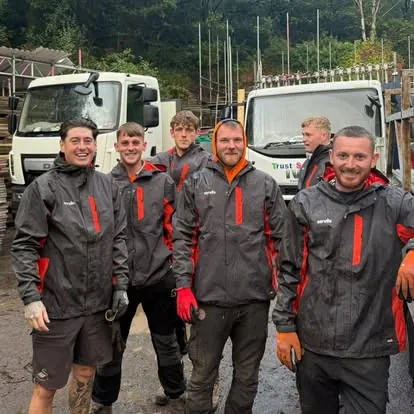
- Qualified, Certified Team: Our operatives carry CISRS cards (Construction Industry Scaffolders Record Scheme), with many also holding PASMA training specifically for mobile tower work. This dual certification approach ensures that whether it's a traditional scaffold or a mobile access tower, it's being handled by an expert. Some of our key staff have 20+ years of scaffolding experience, and we've successfully completed hundreds of access tower jobs across South Wales.
- PASMA & BS EN 1004 Compliance: All our aluminium tower systems are PASMA-compliant and conform to BS EN 1004-1:2020 (the European standard for mobile access and working towers). We never use cheap or sub-standard tower kits – only reputable manufacturers and system scaffolds that meet rigorous safety standards.
- Adherence to Regulations: We operate under the Work at Height Regulations 2005 and the latest 2020s updates to industry guidance. Each tower job includes site-specific risk assessments and method statements (RAMS) detailing how the tower will be erected, used, and dismantled safely.
- Advisory Approach & Transparency: Our quotes are transparent and itemised – no hidden fees. We provide guidance on preparations needed and clearly state what you're getting, including assembly, weekly inspections, and dismantle. By being open and helpful, we aim to build trust and long-term relationships.
Ready to discuss your access tower needs? Whether you require a single mobile tower for a quick job or a combination of stair towers on a construction project, Trust Scaffolding is here to help. We provide free site surveys, no-obligation quotes, and friendly expert advice on the best access solution for your task. Give us a call at 07583 030 338 or reach out through our website to get started.
Access Tower Solutions We Provide
- Mobile aluminium access towers
- Stair access towers for construction sites
- Ladder towers for scaffold access
- Internal / indoor access towers
- PASMA & BS EN 1004-compliant systems
- Short and long-term tower hire
- Quick-turnaround for maintenance tasks
- Professional erection & inspection
- Narrow-width towers for confined spaces
- CISRS-qualified installation teams
Access Towers FAQs
What is the difference between an access tower and full scaffolding?
Access towers are free-standing, mobile structures ideal for short-duration tasks and confined areas – they can be assembled quickly and moved with ease. Fixed scaffolding is built around a building and firmly anchored, providing broader coverage for large-scale or long-term projects with greater load capacity. We'll assess your job and recommend the most suitable and cost-effective option – towers for speed and flexibility, scaffolding for heavy-duty or expansive work.
Can access towers be used indoors?
Yes. Mobile access towers are ideal for indoor work including painting high walls and ceilings, installing lighting or HVAC, retail refits, and church or school maintenance. Our narrow-width towers (approximately 0.7m wide) fit through standard doorways and corridors, and can be assembled in confined areas while still providing all necessary safety features including guardrails, locking wheels, and outriggers.
Do you supply self-assembly access towers?
No. Trust Scaffolding does not offer self-assembly tower hire. All our access towers are professionally erected and thoroughly inspected by CISRS-qualified, PASMA-trained operatives before handover. This turnkey approach (delivery, erection, inspection, dismantling) eliminates the risk of incorrect assembly and ensures every tower meets BS EN 1004 standards and Work at Height Regulations. It also satisfies insurance and commercial client requirements for qualified personnel and proper inspection records.
How high can access towers reach?
Our mobile access towers can reach working heights of 8–12 metres or more depending on the configuration, platform size, and site conditions. Height is determined by the manufacturer's recommended maximum free-standing height (typically around 4 times the minimum base dimension). For taller requirements, we install stabilisers, outriggers, or tie the tower to a structure – or recommend a full scaffold if that's the safer option.
What safety standards do your access towers meet?
All our aluminium tower systems are PASMA-compliant and conform to BS EN 1004-1:2020, the European standard for mobile access and working towers. Our operatives hold CISRS cards and PASMA training, and every job includes site-specific risk assessments and method statements (RAMS). Towers are inspected after assembly and at least every 7 days during continued use, with full documentation provided.
What types of access tower do you offer?
We supply narrow-width towers for confined indoor spaces, standard/wide towers for exterior work, stair access towers for construction site level changes, ladder towers for scaffold and roof access, and cantilever or linked tower configurations for specialised requirements. Each tower includes double guardrails, toe boards, and lockable castors as standard.
Still have questions? Get in touch with our team — we're happy to help.
Accredited By
Being a member of The Scaffolding Association as Audited Contractors is but one of many accreditations and certifications that we hold.