 Domestic Scaffolding
  Commercial Scaffolding
  Industrial Scaffolding
  New Build Scaffolding
 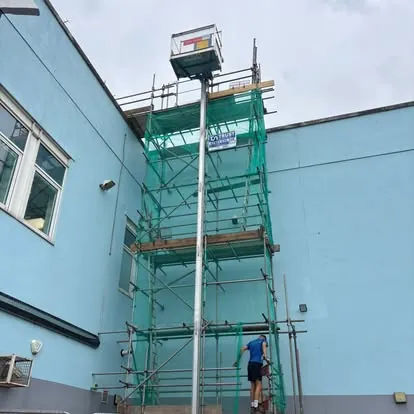 Access Towers
 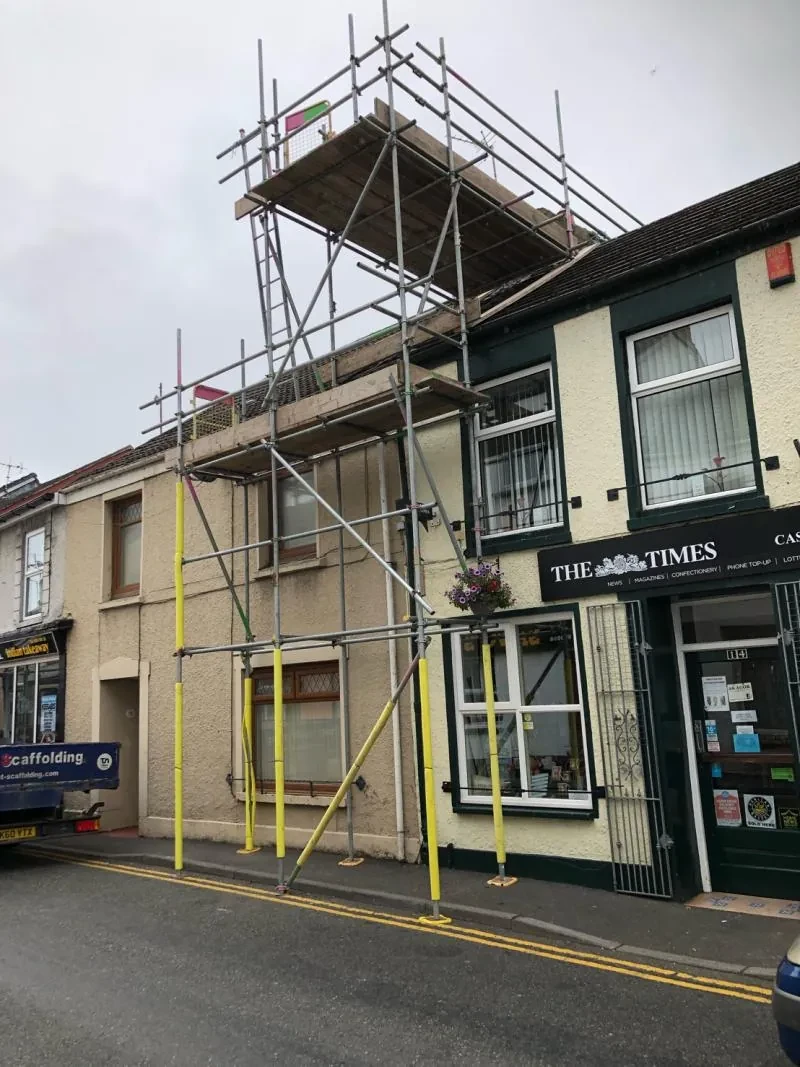 Chimney Scaffolding
 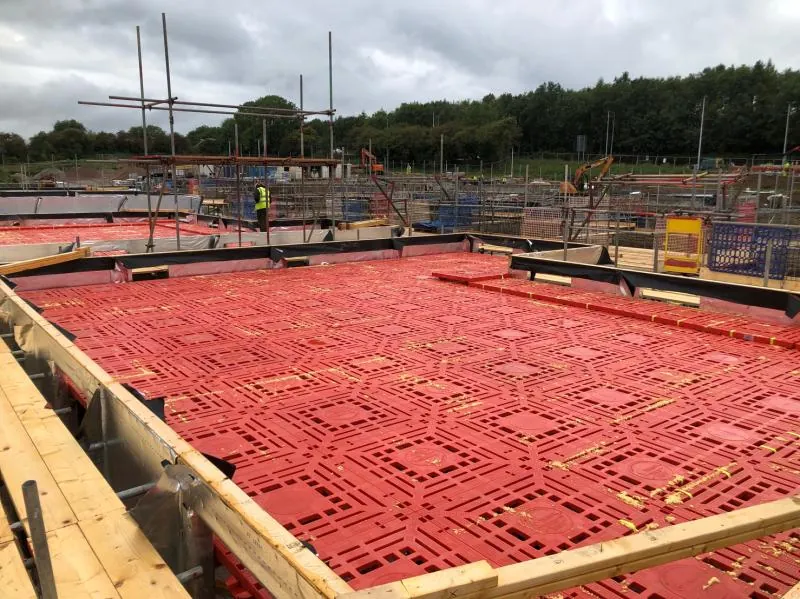 Interior Scaffolding
 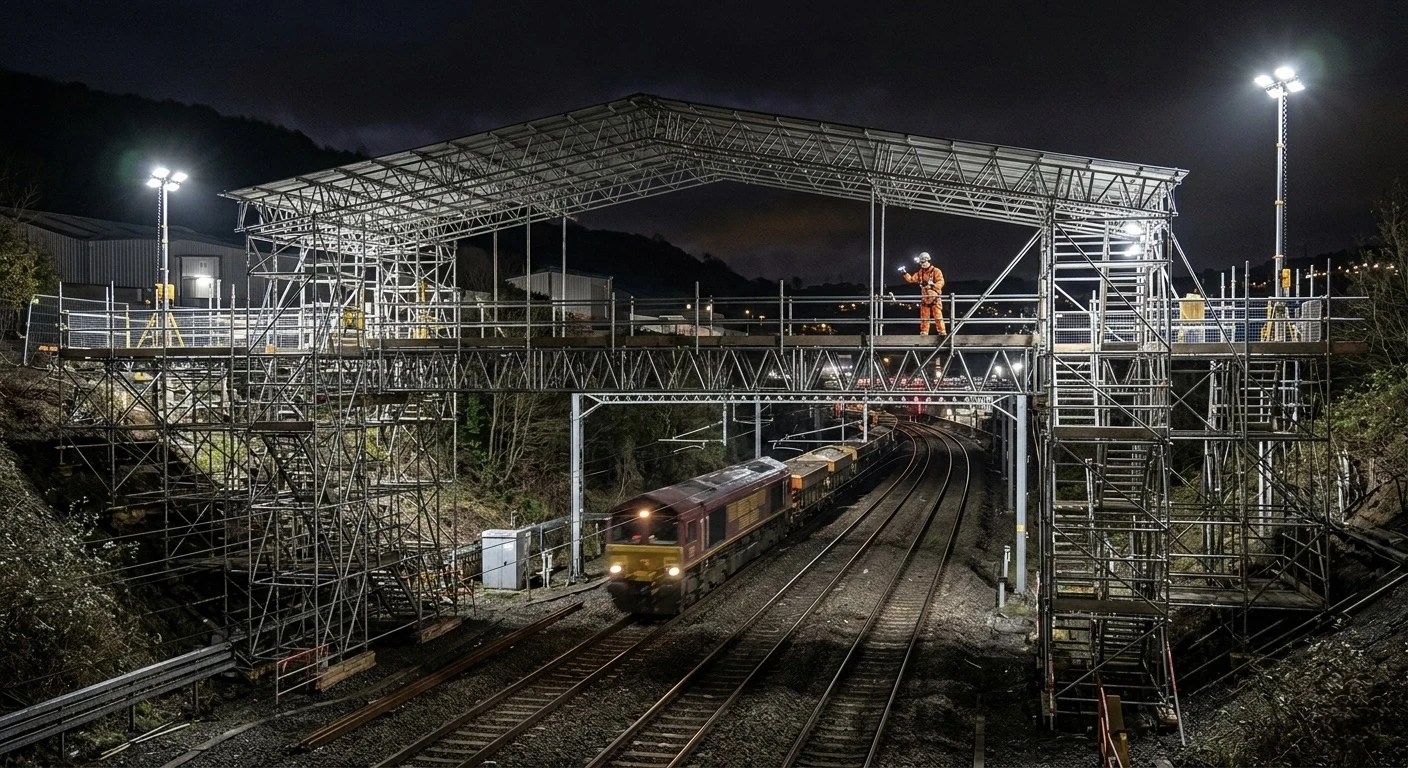 Rail Scaffolding
  Marine Scaffolding
  Bridge Scaffolding
  Heritage Scaffolding
  Solar Panel Scaffolding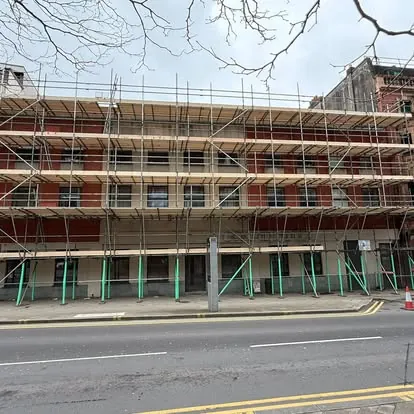
 Swansea
  Port Talbot
  Neath
Neath  Llanelli
  Carmarthen
  Ammanford
  Haverfordwest
  Pembroke Dock
  Cardiff
  Newport
  Bridgend
  Pontypridd
  Merthyr Tydfil
  The Valleys
 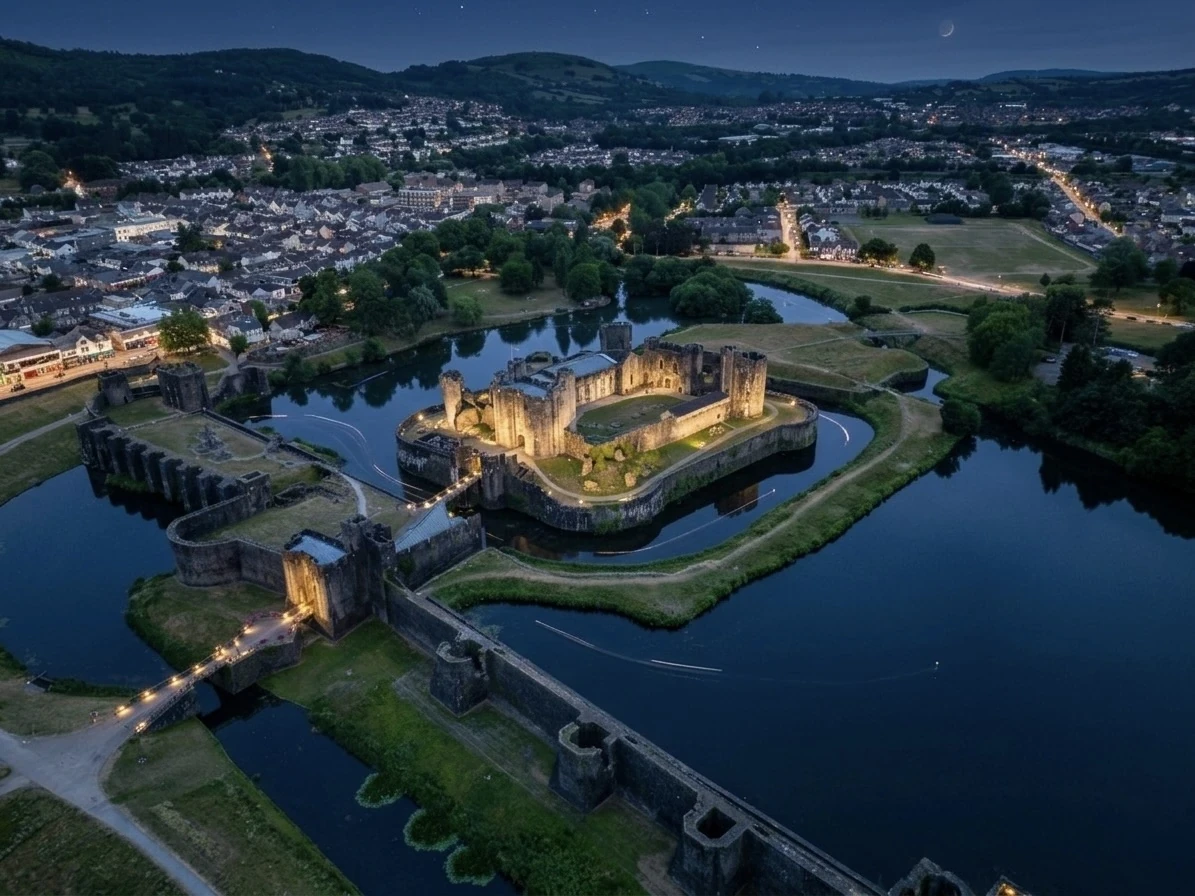 Caerphilly
 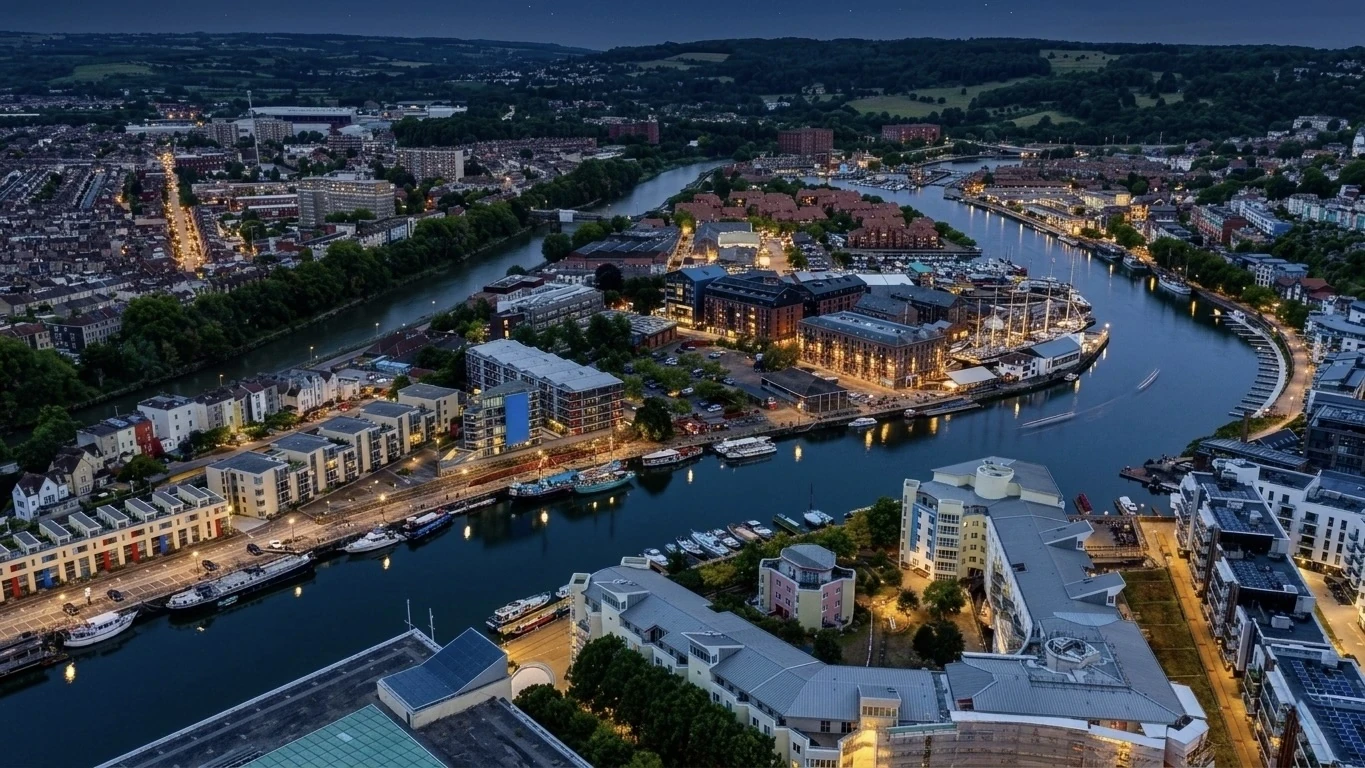 Bristol
  Avonmouth
  Bath
Bath 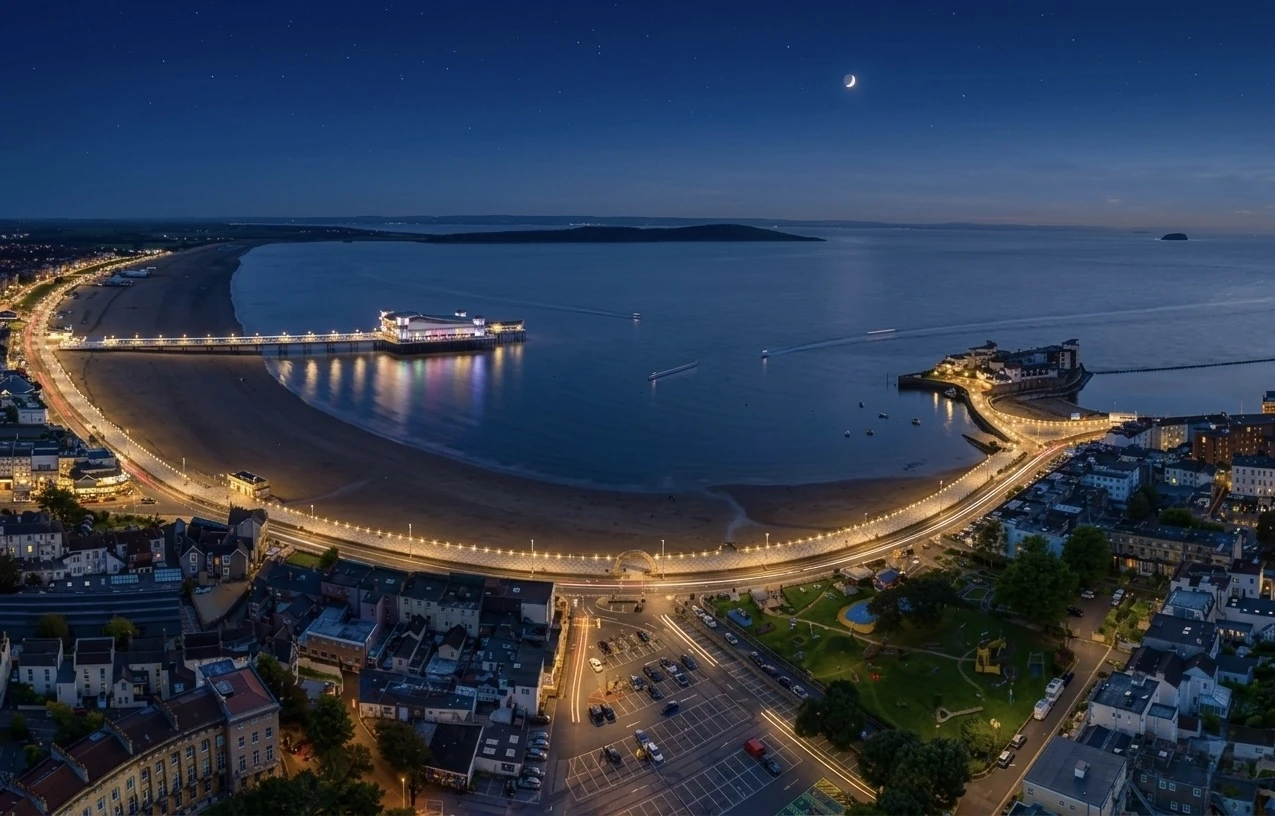 Weston-super-Mare
  Gloucester
  Cheltenham
  Taunton

Heritage Scaffolding
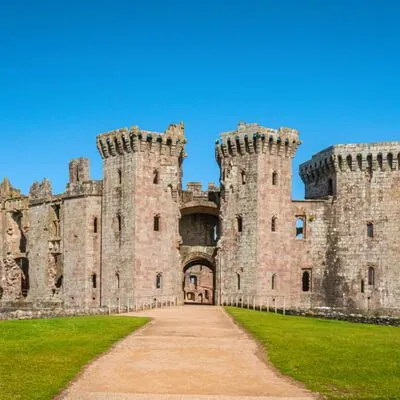
Listed Building Consent. Zero drilling into historic masonry. CISRS-Gold-carded heritage specialists on every project. Trust Scaffolding provides conservation-sensitive scaffolding for listed buildings, churches, castles, chapels, and historic properties across South Wales — using independent scaffolds, kentledge counterweights, and padded non-invasive systems to protect irreplaceable architecture. <a href="/contact/">Book a Heritage Site Consultation</a>.

Heritage Scaffolding Services in South Wales
Heritage scaffolding delivers conservation-grade access for listed churches, castles, museums and civic monuments. South Wales has over 30,000 listed buildings, so every scaffold must protect delicate fabric. Trust Scaffolding uses padded sole-boards and non-invasive anchoring to avoid stressing ancient stonework. We plan every scaffold in close consultation with building owners, Cadw, conservation officers and architects — ensuring even complex spire repairs or ornate façade restorations proceed without damage.
Last updated: March 2026
Key Takeaways
- Conservation-grade scaffolding for Grade I & II listed buildings, castles and churches
- Padded sole-boards and non-invasive anchoring to protect historic masonry
- Independent façade scaffolds, birdcage interiors and viewing platforms
- Shrink-wrap and temporary roof weatherproofing for long-term works
- Close collaboration with Cadw, National Trust and conservation officers
- Pre/post photographic condition surveys — "no trace left behind" approach
Non-Invasive Access Solutions for Historic Buildings
Conservation Officers and heritage architects look for one thing first: will the scaffolding harm the building? Our answer is always no. Every technique below is designed to achieve zero mechanical impact on historic fabric.
Independent scaffold structures that carry their own loads — no ties into historic masonry, no anchor points in listed fabric.
Counterweights (kentledge) replace masonry ties entirely, stabilising the scaffold with mass rather than fixings — protecting every stone surface.
Where contact is essential, we use padded clamps and soft-faced fittings — distributing load across a wide surface and eliminating point pressure on historic stone.
We never drill into listed stonework, carved stone, glazed brick or decorative masonry without explicit written agreement from the conservation authority.
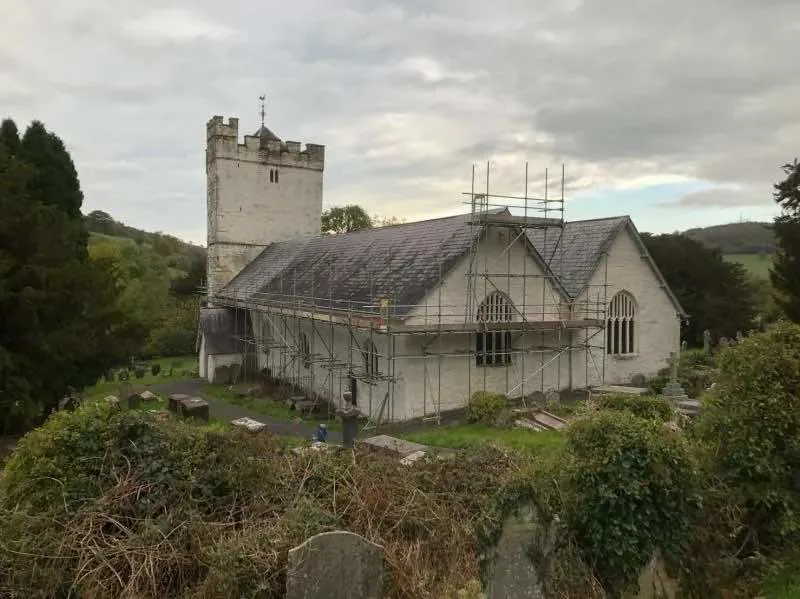
We often install independent façade scaffolds that stand clear of the building, with integrated stairs and work decks. A wraparound scaffold on a stately home may cover all elevations and turret roofs while avoiding fragile walls. Where possible we use counterweights (kentledge) instead of masonry ties. All access decks have full edge protection and padded interfaces so no bare scaffold tube contacts the stone or glass. This allows stone cleaners, roofers and leadworkers to reach every part of the façade safely. We even design temporary viewing platforms and stair towers so the public can observe renovation work without entering unsafe zones. Throughout, we follow the latest guidelines: Historic England notes that any fixed anchors must be only acceptable if agreed in advance — so we engage Cadw and local conservation officers early in the design.
Internal Heritage Scaffolding
Inside large heritage spaces — church naves, halls, atriums — we erect birdcage scaffolds: a grid of vertical and horizontal tubes supporting a full platform at ceiling height. This provides a secure internal scaffold so multiple trades can work simultaneously on plaster, woodwork or stained glass. We also supply heavy-duty scaffold stair-towers and ramps for sensitive access. During a cathedral restoration, for example, we built a free-standing tower that spanned balconies and avoided tying into ornamented walls. On uneven or fragile ground, we distribute loads with timber soleboards and use adjustable legs or screw-jacks.
Preservation Protocol: Protecting Historic Fabric
Extra-large timber soleboards spread scaffold loads across flagstones, medieval floors, and delicate paving — preventing cracking under point-load stress. Listed Building Consent conditions frequently specify sole-board dimensions.
Scaffold layouts are designed to allow air circulation against porous limestone, sandstone, and lime-render — preventing moisture trapping that accelerates spalling and decay.
Bridge decks positioned over delicate lead valleys, gable flashings, and ornate roof details — using Symmetry in Design to distribute scaffold weight evenly and avoid pressure on fragile leadwork.
Weatherproofing for Long-Term Works
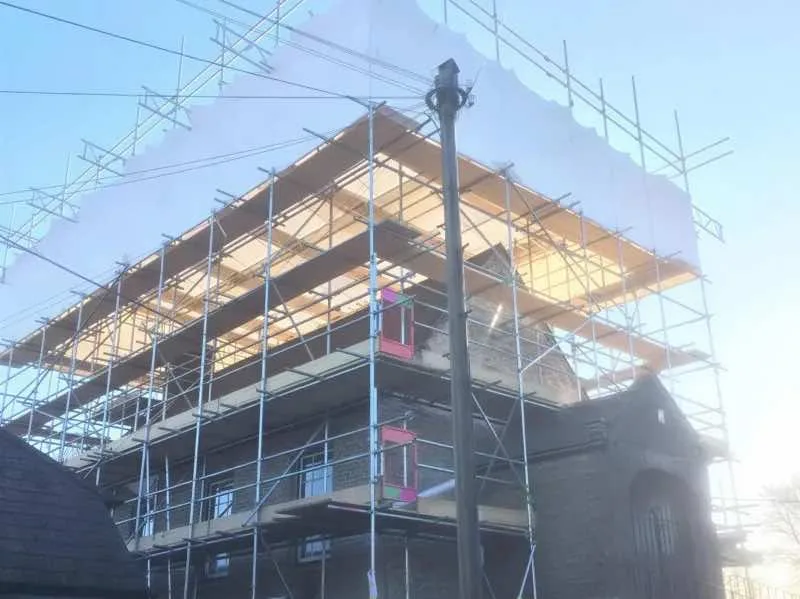
We offer weatherproofing for long-term heritage works: shrink-wrap covers and temporary roof systems keep the structure dry. A shrink-wrap enclosure forms a tight shell that blocks rain, wind, pests and UV while repairs proceed. For larger roofs, we install prefab weatherproof roofs with panel sheeting. Both methods preserve the fabric by preventing water damage and allow work to continue in all seasons.
Compliance-First Approach
Our compliance-first approach ensures every heritage project meets current standards. We work under Welsh listed-building regulations and Cadw advice, preparing the drawings and method statements heritage officers expect. Our scaffolds are engineered to the required loading capacity (Work at Height Regulations 2005) and inspected continuously. Before erection we document the building's condition with photographs, and we repeat this after dismantling. This "no trace left behind" practice — padded contact points, sole-boards and post-project surveys — has become industry best practice.
Our Heritage Team
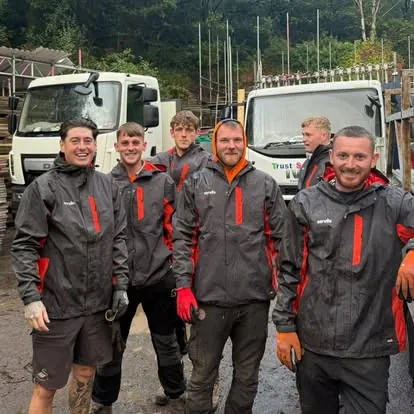
Our heritage projects are exclusively handled by our most senior, CISRS-Gold-carded scaffolders who specialise in historic restoration. Every project begins with a bespoke CAD design reviewed by a conservation architect — and our strict no-structural-contact policy means we design away from the building first, only touching the fabric where absolutely necessary and always with padded protection. Book a Heritage Site Consultation today.
Key Features of Our Heritage Scaffolds
- Grade I & II Listed Building Access — Conservation-grade scaffolding using padded or no-fix supports to protect historic masonry. Ideal for castles, manor houses, monuments and civic landmarks.
- Certified & Compliant — We collaborate with Cadw, National Trust and church authorities. Projects include listed-building consent and, when required, Church in Wales faculty applications. All work meets HSE/Work-at-Height rules and NASC standards.
- Specialist Scaffold Structures — Birdcage/indoor scaffolds for high-ceiling halls; independent exterior façades and cantilever lifts; screw-jack towers and stairways for visitor access; clear-span bridge units and viewing platforms.
- Weatherproofing Solutions — Heavy-duty scaffold sheeting, shrink-wrap and temporary roofs to shield worksites. These cover the structure completely, keeping rain, debris and UV out during lengthy repairs.
- Pre/Post Condition Surveys — Photo surveys before and after erection so any change in fabric is recorded. Detailed CAD drawings and method statements provided to conservation officers and architects.
Listed Building Scaffolding & Church Restoration Access: Heritage Conservation Scaffolding South Wales
Trust Scaffolding is South Wales's specialist for Listed Building Scaffolding across Grade I and Grade II protected structures. From church restoration access on medieval parish churches to scaffold towers for historic monument works, our team navigates Listed Building Consent requirements and works directly with Cadw, conservation architects, and local planning authorities so your project stays compliant at every stage. Whether you need stone masonry access for repointing a Norman keep or a free-standing birdcage for cathedral nave plasterwork, we deliver heritage-quality scaffolding that leaves no trace.
Historic Monument Scaffolding & Non-Invasive Scaffolding Cardiff: Stone Masonry Access Specialists South Wales
For historic monument scaffolding, civic memorials, and protected structures across Cardiff, Swansea, Newport, and the Vale of Glamorgan, Trust Scaffolding provides certified non-invasive scaffolding solutions using kentledge-weighted systems, independent façade towers, and padded-contact techniques. Our Heritage Conservation Scaffolding service covers the full South Wales region — from Pembrokeshire castles to Brecon Beacons estate buildings — supporting stone masons, restoration architects, and conservation contractors who need a scaffolding partner that understands what irreplaceable means.
Heritage Scaffolding Solutions
- Grade I & Grade II listed building access
- Church, chapel & castle scaffolding
- Padded & no-fix protective contact systems
- Free-standing & counterweighted scaffolding
- Temporary roofing & shrink-wrap enclosures
- Birdcage scaffolds for high-ceiling interiors
- Viewing platforms & public stair towers
- Faculty & listed building consent documentation
- Pre/post photographic condition surveys
- Cadw, National Trust & NASC compliant designs
Heritage Scaffolding FAQs
Can you scaffold a Grade I or Grade II listed building?
Yes. We specialise in scaffolding listed and protected buildings, using padding at every contact point and, wherever possible, freestanding or counterweighted supports instead of fixed ties. Loads are carefully spread to avoid cracking or staining. We install scaffolding only after consulting with conservation officers and architects, so the access meets all heritage requirements.
Do you provide church and chapel scaffolding?
Absolutely. Our team has erected scaffolds for churches and chapels across South Wales. We understand how to work around buttresses, pinnacles, stained glass and ornate roofs. Church projects often require a full scaffold design pack for the faculty (church permission) process. We supply the drawings and method statements that church authorities expect.
Can you install a temporary roof or shrink-wrap on a historic building?
Yes. We build customised temporary roofs over scaffolds to keep work areas dry, or apply shrink-wrap film in sections. These systems create tight weatherproof enclosures — stopping rain and debris from entering a church while its roof is repaired, or protecting castle battlements and manor houses. All covers are UV-stabilised and secured with padding or clips to avoid harming original materials.
How does Trust Scaffolding work with Cadw and heritage bodies?
We are fully familiar with Welsh heritage regulations. Early in every project we liaise with Cadw (Welsh Government's historic environment service), local planning authorities and National Trust estates as needed. Our designs are reviewed by conservation architects and we provide all documentation for listed-building consent or conservation area permits.
What makes conservation scaffolding different from normal scaffolding?
Conservation scaffolding is tailored to heritage contexts. Unlike typical construction scaffolds, we expect irregular shapes and fragile surfaces, so we use adjustable tubes, avoid over-tight bracing, and keep all contact points padded. We often incorporate special access — full birdcage decks or cantilever booms — so workers don't climb on ornamentation. It's scaffolding designed to leave no trace on the building.
What kinds of heritage projects has Trust Scaffolding undertaken?
Recent examples include spire repairs on parish churches, stone façade cleaning at manor houses, and interior birdcage scaffolds in cathedrals. We also install scaffolds for museum roof renewals and castle wall repointing. In every case the solution is bespoke — from mobile towers inside chapels to large independent bridges over castle moats, we match the scaffold to the site's unique conservation needs.
Still have questions? Get in touch with our team — we're happy to help.
Accredited By
Being a member of The Scaffolding Association as Audited Contractors is but one of many accreditations and certifications that we hold.