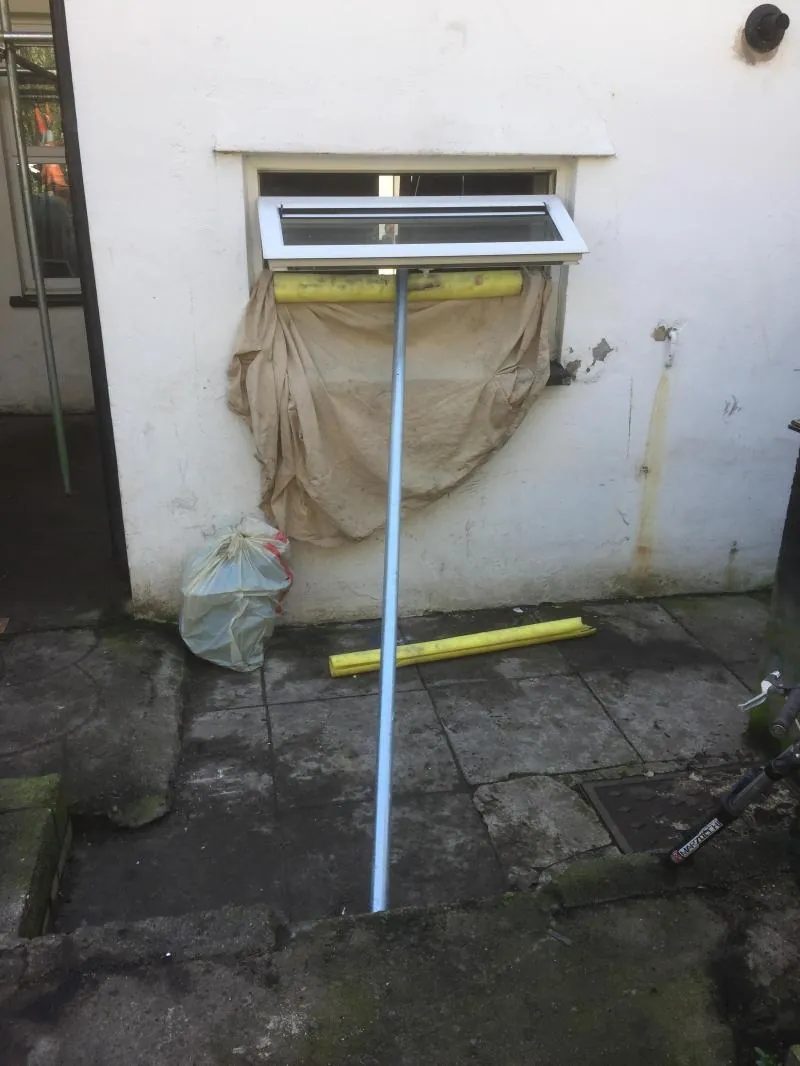
 Domestic Scaffolding
 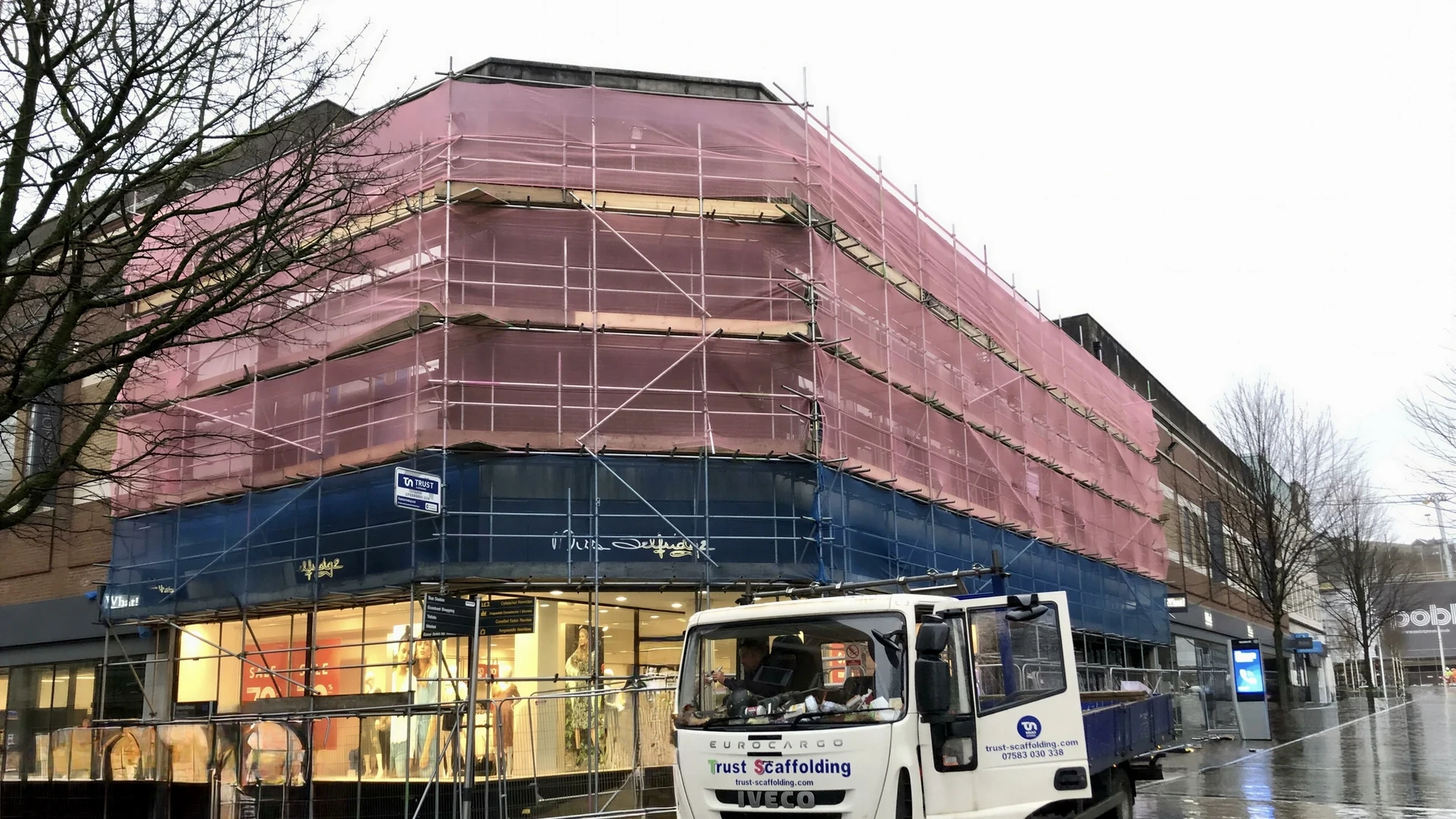 Commercial Scaffolding
 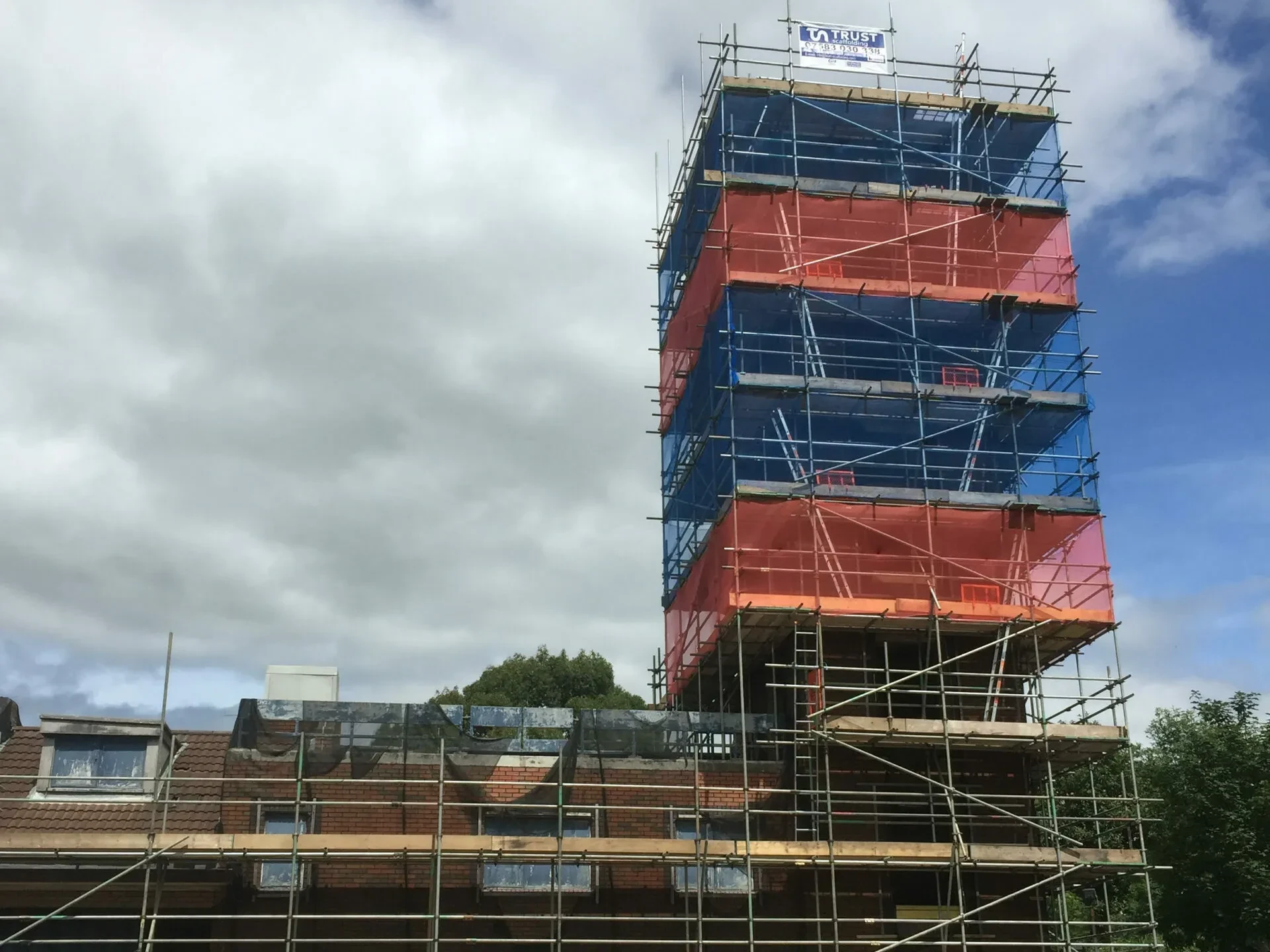 Industrial Scaffolding
 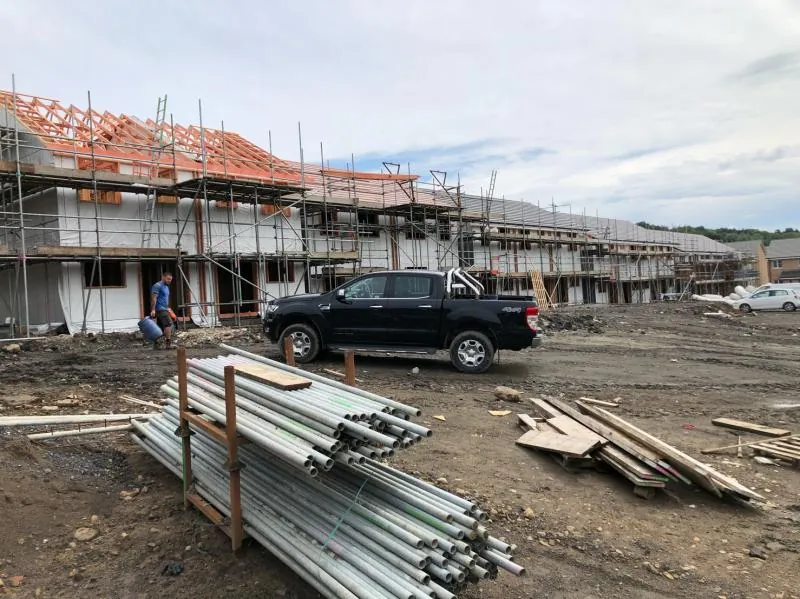 New Build Scaffolding
 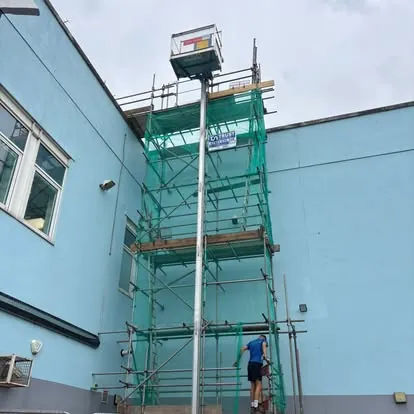 Access Towers
 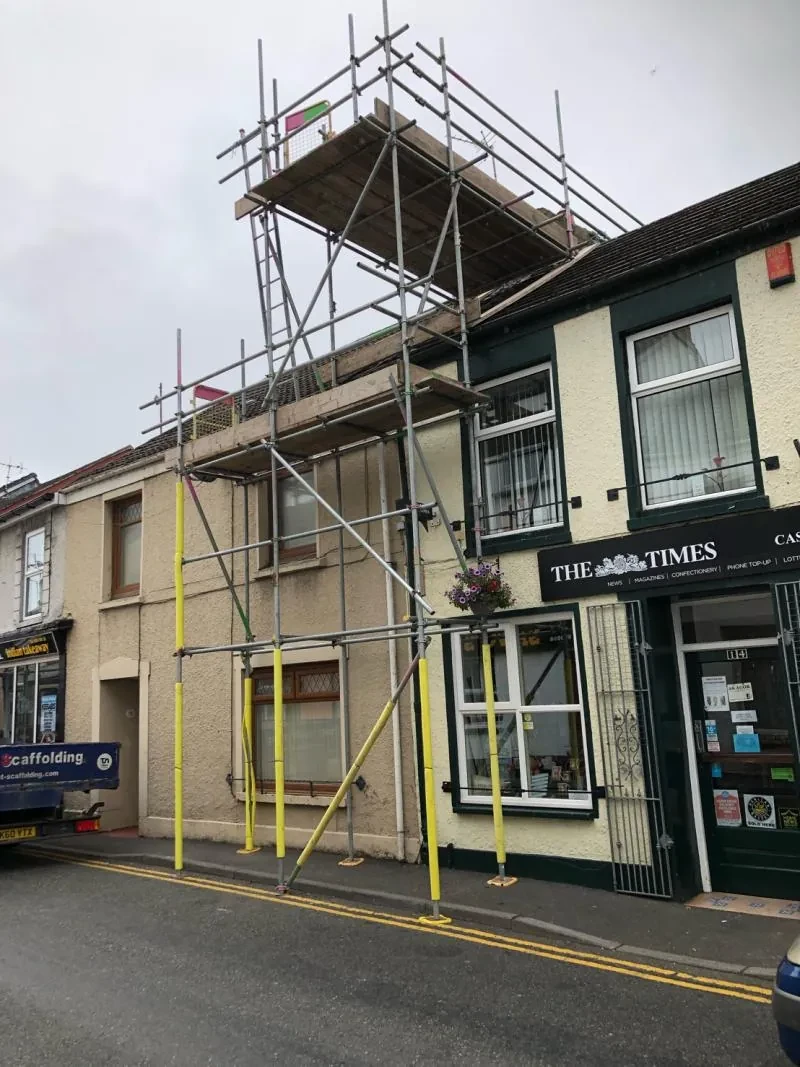 Chimney Scaffolding
 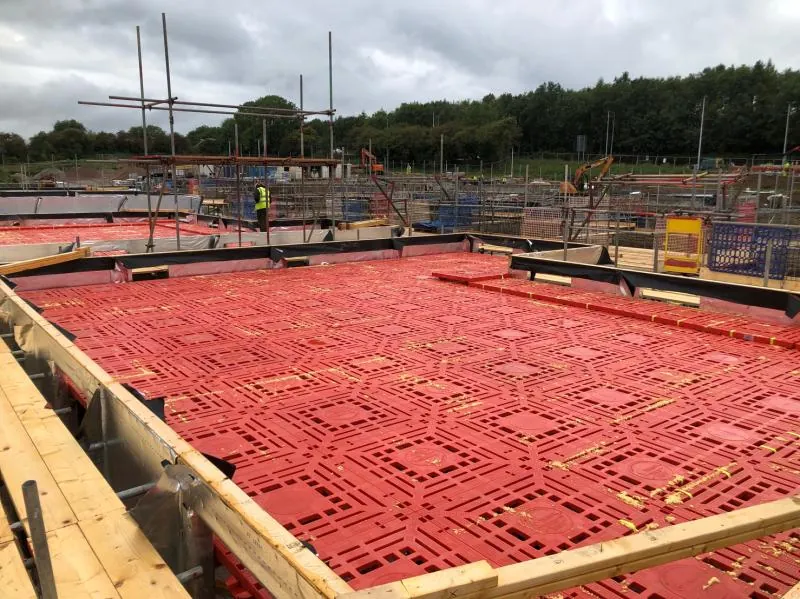 Interior Scaffolding
 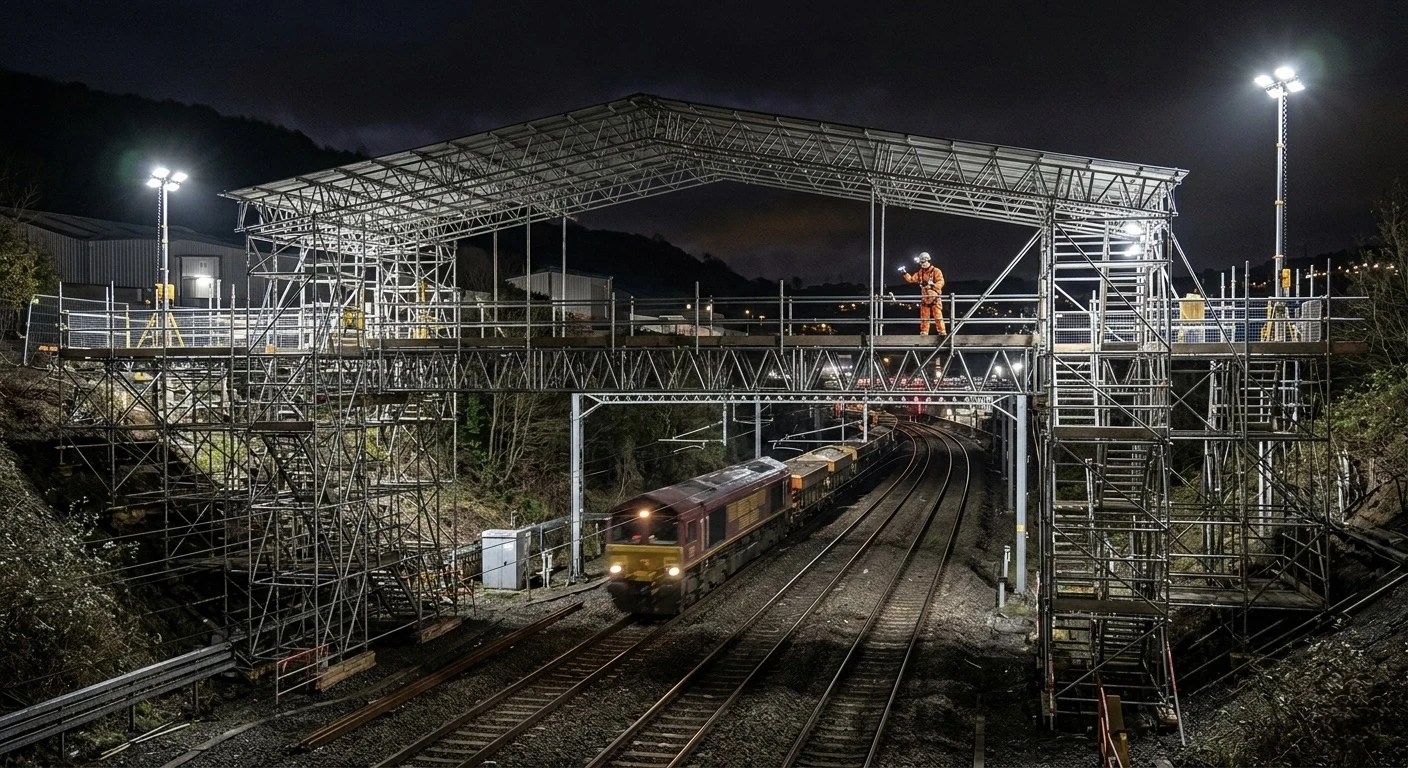 Rail Scaffolding
 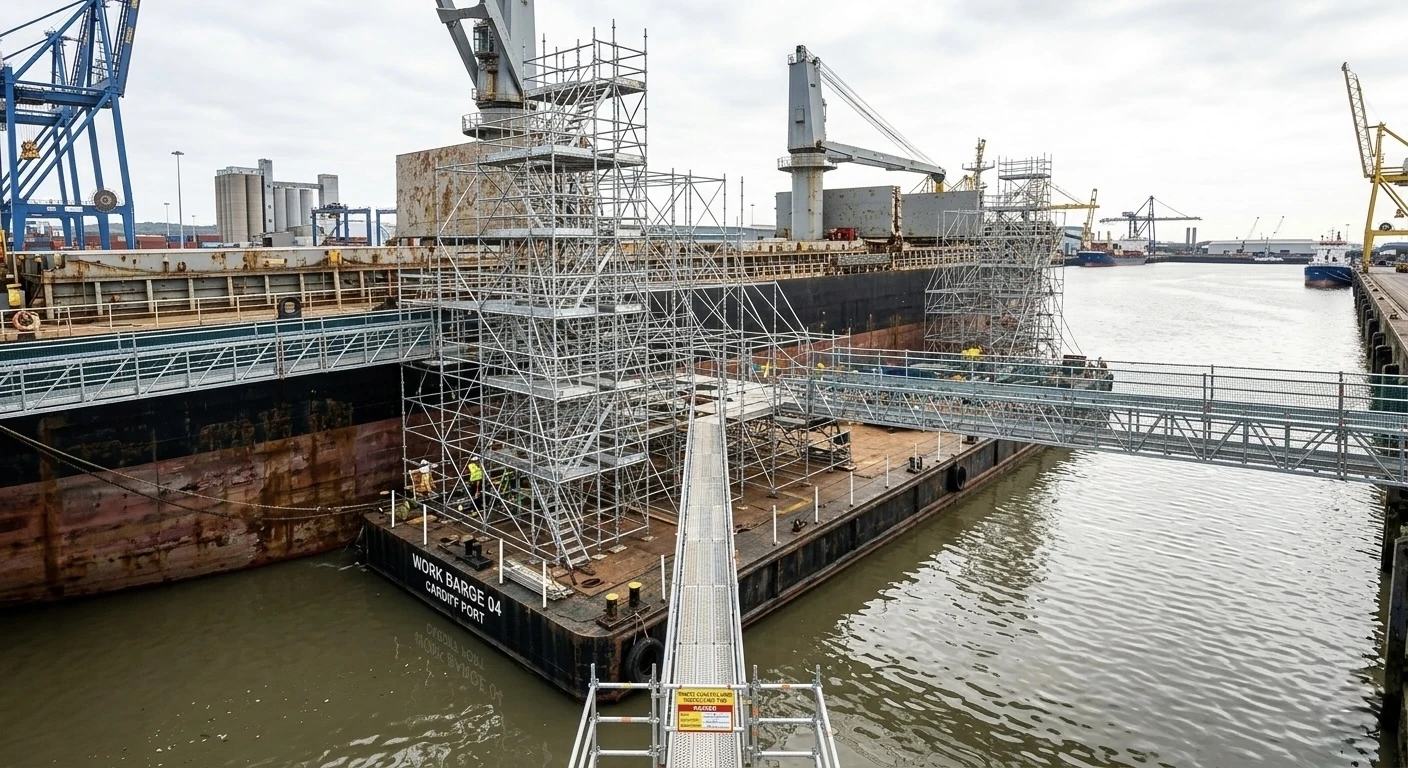 Marine Scaffolding
 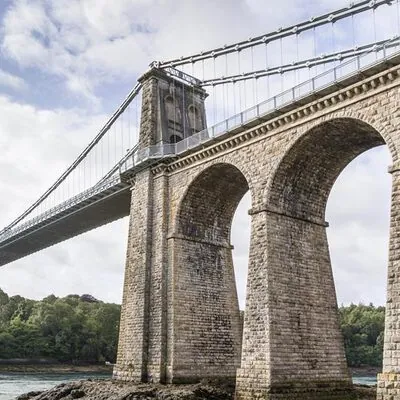 Bridge Scaffolding
  Heritage Scaffolding
 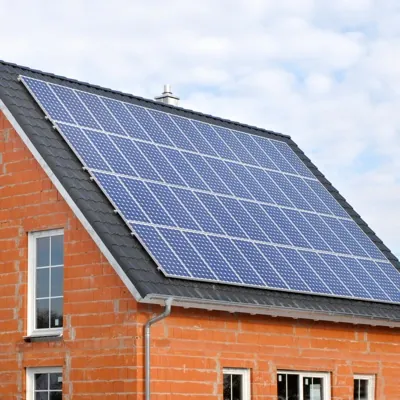 Solar Panel Scaffolding
 Swansea
  Port Talbot
  Neath
Neath  Llanelli
  Carmarthen
  Ammanford
  Haverfordwest
  Pembroke Dock
  Cardiff
  Newport
  Bridgend
  Pontypridd
  Merthyr Tydfil
  The Valleys
  Caerphilly
  Bristol
  Avonmouth
  Bath
Bath  Weston-super-Mare
  Gloucester
  Cheltenham
  Taunton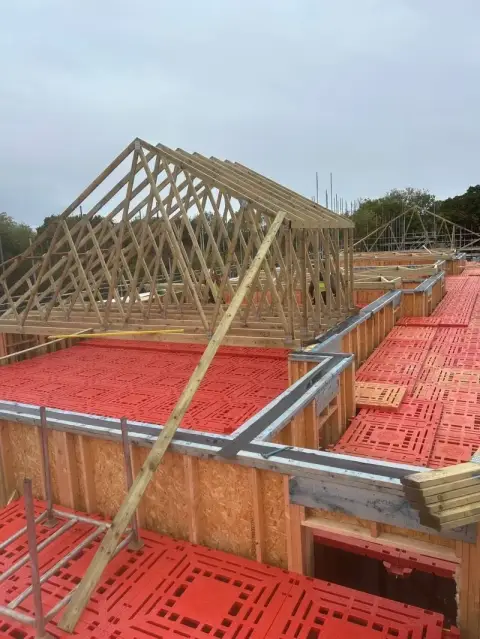


High Level Safety Systems
TG20:21-compliant design. Independent structural calculations. HAKI stair towers, engineered loading bays, and rubbish chutes ready to mobilise. Trust Scaffolding delivers high-rise scaffolding, complex façade access, crash decks, protection fans, and debris screens for Tier 1 contractors and procurement managers across Cardiff, Swansea, Neath, and the whole of South Wales. Consult with our Technical Estimator today.

High Level Safety Systems in South Wales
High level safety systems encompass engineered fall-prevention measures installed at height — guardrail edge systems, toe-boards, safety netting, anchored lifelines, overhead covers and tethering points — all designed to eliminate or mitigate fall hazards on site. These systems deliver collective fall protection in accordance with the Work at Height Regulations 2005 hierarchy, dramatically reducing fall incidents and ensuring compliance with HSE law.
Last updated: March 2026
Key Takeaways
- Engineered collective fall protection — guardrails, nets, lifelines & overhead covers
- Compliant with WAHR 2005, CDM 2015, BS EN 13374, BS EN 795 & BS EN 12811
- CISRS-qualified scaffolders & Scaffolding Association Audited Contractor
- Covers roofing, steelwork, façade, industrial, infrastructure & demolition
- Dropped-object prevention — tool tethering, catch fans & debris screens
- 15+ years' local expertise across Cardiff, Swansea, Newport & South Wales
Falls from height remain the leading cause of workplace fatalities in Great Britain, so rigorous high-level safety measures are essential on modern construction sites. By following the Work at Height Regulations hierarchy — avoiding work at height when possible, then using collective measures before personal harnesses — Trust Scaffolding's safety systems protect workers, materials and the public across Cardiff, Swansea, Newport, Neath, Port Talbot, Bridgend, and the whole of South Wales.
Engineering Capabilities: What Tier 1 Procurement Needs to See
- TG20:21 Design ComplianceEvery structure is designed to the NASC TG20:21 eGuide — the industry gold standard accepted by HSE, CDM Principal Contractors, and Tier 1 main contractors without further justification.
- Independent Structural CalculationsNon-standard configurations (cantilevers, heavy loading bays, complex geometry) are subject to independent design checks by competent engineers before erection.
- Full RAMS PackageRisk assessments, method statements, scaffold design drawings, and handover certificates issued to site office before first use — CDM-compliant and audit-ready.
- CISRS Advanced InspectorsAdvanced scaffold inspectors available for complex structures requiring higher-level competency sign-off — satisfying insurance, local authority, and principal contractor requirements.
Benefits of Professional High-Level Safety Systems
- Regulatory Compliance: High-level systems help meet HSE and CDM 2015 requirements. They ensure that all work-at-height is planned, supervised and carried out by competent people using the right equipment. Our guardrails, decking and nets comply with industry standards (TG20:21, SG4:22) and British Standards (e.g. BS EN 13374 for temporary edge protection). Proper edge protection and lifelines mean you're following the law and avoiding fines or shutdowns.
- Enhanced Fall Protection: Engineered barriers remove fall risks entirely. Guardrails and toe boards create a physical safety perimeter (required to be at least 950–1100 mm high), catching people and materials before they can drop. Safety nets installed under roof edges or openings provide a soft landing if someone slips. These systems protect entire teams simultaneously ("collective protection"), so workers need not rely solely on personal harnesses.
- Reduced Incidents: By prioritising collective safeguards (railings, nets, cover) over ladders or harnesses, sites see far fewer accidents. When a fall is possible, leading-edge safety nets and soft-landing devices arrest the fall and absorb impact. Our experience — and industry studies — show that robust high-level protection correlates with lower injury rates and downtime.
- Tool, Debris & Public Protection: High-level safety isn't just for people — it safeguards your equipment and passers-by. Nets and canopies keep tools and debris from falling off the roof, while toe boards prevent small items from slipping. We also implement dropped-object prevention: tool lanyards, tether points and demarcation barriers. Over 90% of common tools on site can be tethered to fixed points, dramatically cutting the risk of falling objects and injuries below.
Typical Applications & Sectors
Trust Scaffolding's High Level Safety Systems are deployed in a wide range of projects:
- Commercial and Industrial Roofing: Flat or pitched roofing works often use full-perimeter guardrails, birdcage decking and nets to protect roofers and anyone below. Fragile-roof walkways and skylight covers ensure safe access.
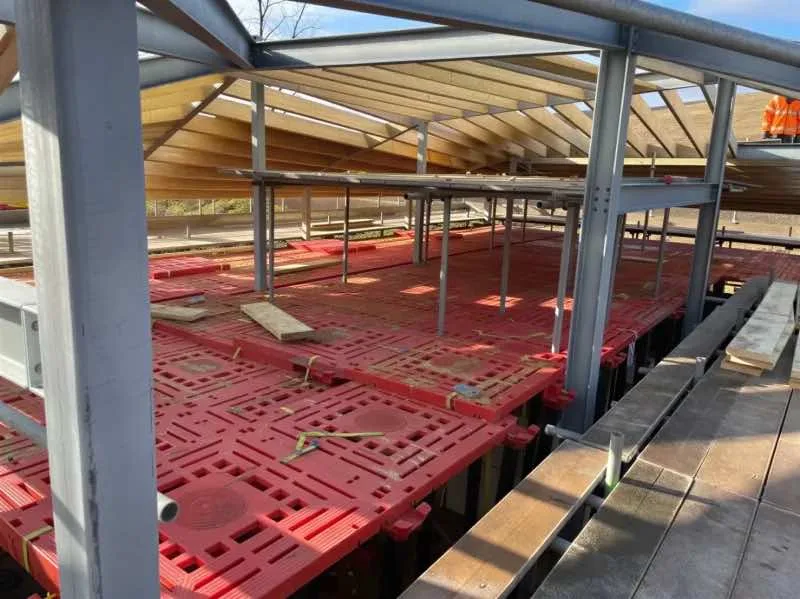
- Structural Steel and Steel-Frame Construction: Exposed steel beams require bespoke anchor lines, netting and handrail systems. Temporary edge protection is installed on steel decks until permanent slabs are in place.
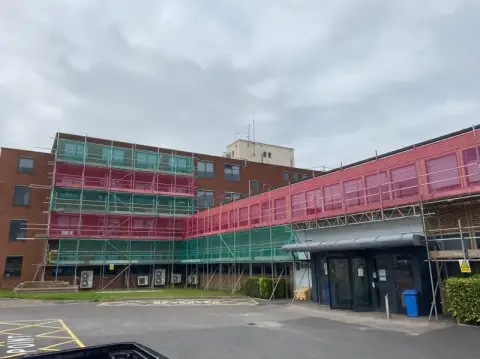
- Façade Access and Maintenance: Cladding, insulation and window-cleaning projects use roof-edge lifelines and abseil anchors. We install dedicated rope access anchors and fall arrest systems for façade work.
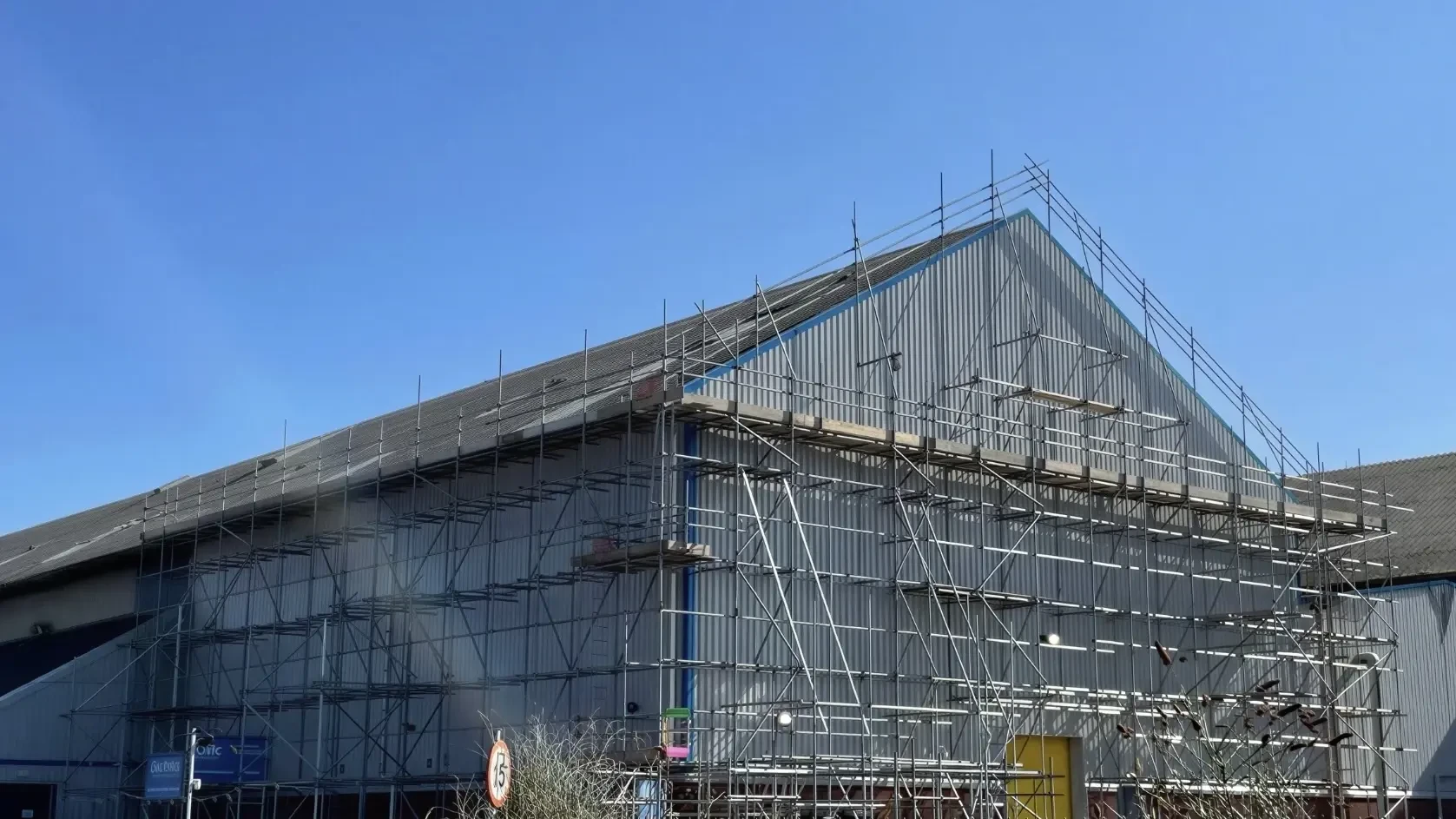
- Industrial and Utilities Works: Power stations, warehouses, tanks and bridge works often use elevated gantries and non-slip walkways. Overhead mesh and scaffolding canopies protect plant and public walkways from falling debris.
- Infrastructure and Civil Projects: On road or railway works, safe walkway covers and zone barriers protect pedestrians and traffic while crews work above (e.g. bridge maintenance).
High-Level Safety Equipment We Offer
Our installations are designed, supplied and installed by trained experts, tested and certified to HSE and BS EN standards for complete compliance and peace of mind. Key systems include:
Specialist Inventory: Equipment That Proves Major-Contract Capability
- Guardrails & Edge Protection: Modular guardrail panels, handrails and toe-boards erected at all exposed edges. These rigid barriers (minimum 950–1100 mm high) completely eliminate fall risk at perimeter edges. We use proprietary and tube-and-fitting edge systems (TG20-compliant) suited to the project, all installed by CISRS-qualified scaffolders.
- Safety Netting Systems: Vertical and horizontal safety nets (debris and fall-arrest nets) rigged beneath work areas to catch workers or materials. Nets must be installed close to the work level (to minimise drop distance) and by certified riggers. They are inspected weekly and replaced after any impact.
- Fall Arrest & Lifeline Systems: When collective measures aren't feasible (e.g. certain façade or roof tasks), we install certified lifelines, rail systems and anchor points (to BS EN 795) plus harness kits (BS EN 361). All anchors and safety lines are engineered to take specified loads and come with test certificates.
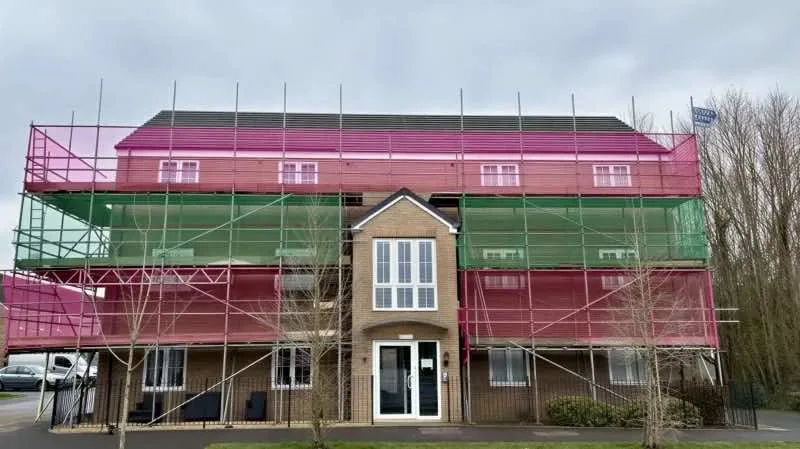
- Overhead Protection: Canopies and covered walkways built under scaffolding to shield pedestrians and traffic. We erect strong timber or steel canopies with weatherproof sheeting, as required by highway authorities. Overhead covers are also used internally to prevent dropped objects from reaching critical areas.
- Elevated Walkways & Stair Towers: Anti-slip catwalks and stair towers for safe access over fragile or sloping areas. These are prefabricated aluminium or GRP platforms with handrails, engineered to BS EN 12811.
- Tool & Personnel Tethering: We supply tether points and tool lanyard systems so workers can securely attach tools, scaffold boards or small equipment at height. Dedicated tool lanyards, belts and holders reduce the risk of drops. We also install demarcation barriers to guide people away from hazard zones.
Compliance & Safety Standards
All our systems and work practices meet or exceed UK regulations and industry codes of practice:
- Work at Height Regulations 2005 (WAHR): We follow Regulation 6 (avoid, plan and train) and 7 (priority to collective measures), ensuring every project has a risk assessment and hierarchy-of-control plan.
- Construction (Design & Management) Regs 2015: Safety systems are integrated into CDM project planning. We coordinate with principal contractors and designers to include fall protection in designs.
- NASC Best Practice (TG20:21, SG4:22): Our scaffolding and edge-protection designs use the latest TG20 tube-and-fit eGuide — the industry gold standard for design and compliance. We also follow SG4 methods for safe erection and dismantling.
- British Standards: Edge protection components conform to BS EN 13374 (class A/B/C) as appropriate. Fall-arrest anchors meet BS EN 795, lifelines EN 353-2, harnesses EN 361, and overhead safety mesh meets relevant BS specs. All equipment is CE-marked and load-rated, with traceable test certificates.
- Training & Certification: Our scaffold crews are all CISRS-qualified and receive ongoing CPD. We are a PASMA-certified installer for mobile access towers. Trust Scaffolding is an Audited Contractor member of the Scaffolding Association, and we maintain rigorous inspection and maintenance records for every safety system.
Trust Scaffolding: Local Expertise in High-Level Safety
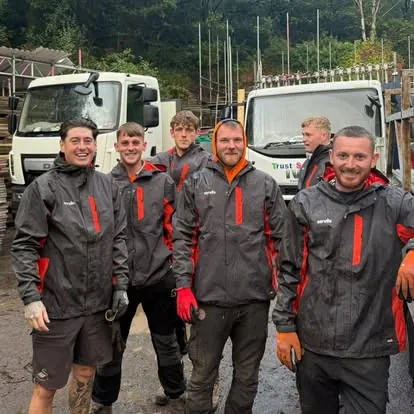
Trust Scaffolding has been providing expert safety solutions across South Wales for over 15 years. We serve clients in Cardiff, Swansea, Neath, Port Talbot, Bridgend, Newport and beyond. Our teams combine local experience with technical expertise — every crew member is CISRS-trained, PASMA-qualified and familiar with the unique needs of Welsh construction sites. As a Scaffolding Association Audited Contractor, we uphold the highest quality and safety standards. Whether you need edge protection on a domestic build or a full fall-arrest system for a large commercial project, we offer turnkey packages: from design and installation to certification and ongoing inspection.
Ongoing Inspection & Safety Management: How We Win 6-Figure Contracts
High-level safety systems are not a one-off installation — they are a management commitment. Every Trust Scaffolding high-level structure is subject to mandatory 7-day statutory inspections under the Work at Height Regulations 2005. We deliver digital handover certificates and live inspection logs via Smart Scaffolder software, giving your site office instant access to scaffold status, defect records, and Scafftag compliance evidence from any device.
Procurement managers and CDM Principal Contractors can request a full digital audit trail at any time — no chasing paperwork. Consult with our Technical Estimator to discuss a management inspection package for your project.
High-Rise Scaffolding Cardiff & Engineered Access Solutions South Wales
Project managers and procurement leads searching for high-rise scaffolding Cardiff, engineered access solutions, or complex façade access in South Wales require a contractor who can match their programme pace and documentation standard. Trust Scaffolding has delivered high-level safety systems on industrial safety systems projects ranging from multi-storey residential blocks in Cardiff Bay to stadium scaffolding and bridge infrastructure works across the region. Every project is underpinned by a full engineering submission, independently checked structural calculations, and a CDM-compliant safety management package.
Stadium Scaffolding & Industrial Safety Systems: Complex Access at Scale
Large-scale stadium scaffolding, industrial safety systems for power and process plants, and complex façade access on heritage or occupied buildings demand a scaffold contractor with both the technical capability and the organisational capacity to deliver safely. Trust Scaffolding's specialist inventory — HAKI stair towers, engineered loading bays, rubbish chutes, catch fans — combined with TG20:21-compliant design and CISRS Advanced Inspector sign-off, satisfies the pre-qualification requirements of Tier 1 main contractors. Call 07583 030 338 to discuss your complex access needs with our Technical Estimator.
Plan for safer works today. To discuss your project's high-level protection needs or request a quote, call us at 07583 030 338 or email hello@trust-scaffolding.com. Our experts will work with you to design a compliant fall-protection strategy — combining scaffolding, safety systems and certification for complete peace of mind.
High Level Safety Systems We Provide
- Guardrails & edge protection (BS EN 13374)
- Safety netting — fall-arrest & debris nets
- Fall arrest & lifeline systems (BS EN 795)
- Overhead protection canopies & gantries
- Elevated walkways & stair towers (BS EN 12811)
- Tool & personnel tethering systems
- Crash decks & catch fans
- Debris screens & monarflex sheeting
- CDM-compliant design & documentation
- CISRS-qualified installation & weekly inspections
High Level Safety Systems FAQs
What are high level safety systems?
High level safety systems are engineered fall-prevention measures installed at height — guardrails, toe-boards, safety netting, anchored lifelines, overhead covers and tethering points. They provide collective protection so every worker in the area is safeguarded without needing individual harnesses, and they comply with the Work at Height Regulations 2005 hierarchy.
What is the difference between collective and personal fall protection?
Collective protection (guardrails, nets, crash decks) safeguards everyone in the area automatically — no action is needed from individual workers. Personal fall protection (harnesses, lanyards) protects only the person wearing the equipment. UK regulations require collective measures to be used in preference to personal equipment wherever reasonably practicable.
Which British Standards apply to high-level safety?
Edge protection must conform to BS EN 13374 (class A/B/C). Fall-arrest anchors meet BS EN 795, lifelines EN 353-2, harnesses EN 361, and scaffolding components BS EN 12811. All equipment we use is CE-marked and load-rated with traceable test certificates.
Are high level safety systems a legal requirement?
Yes. Under CDM 2015 and the Work at Height Regulations 2005, adequate measures must be taken to prevent falls and protect people from falling objects. The specific system required depends on the project risk assessment, but collective high-level measures such as guardrails and nets must be considered before personal equipment.
What sectors use high-level safety systems?
Commercial and industrial roofing, structural steelwork, façade access and maintenance, power stations, warehouses, bridge maintenance, and infrastructure and civil projects. Any scenario where workers operate at height or where falling objects could endanger the public requires appropriate high-level protection.
Are your scaffolders accredited and insured?
Yes. All our scaffolders are CISRS-certified and we hold Scaffolding Association Audited Contractor, PASMA, and SafeContractor accreditations. We also carry £10 million public liability insurance for complete peace of mind.
Still have questions? Get in touch with our team — we're happy to help.
Accredited By
Being a member of The Scaffolding Association as Audited Contractors is but one of many accreditations and certifications that we hold.