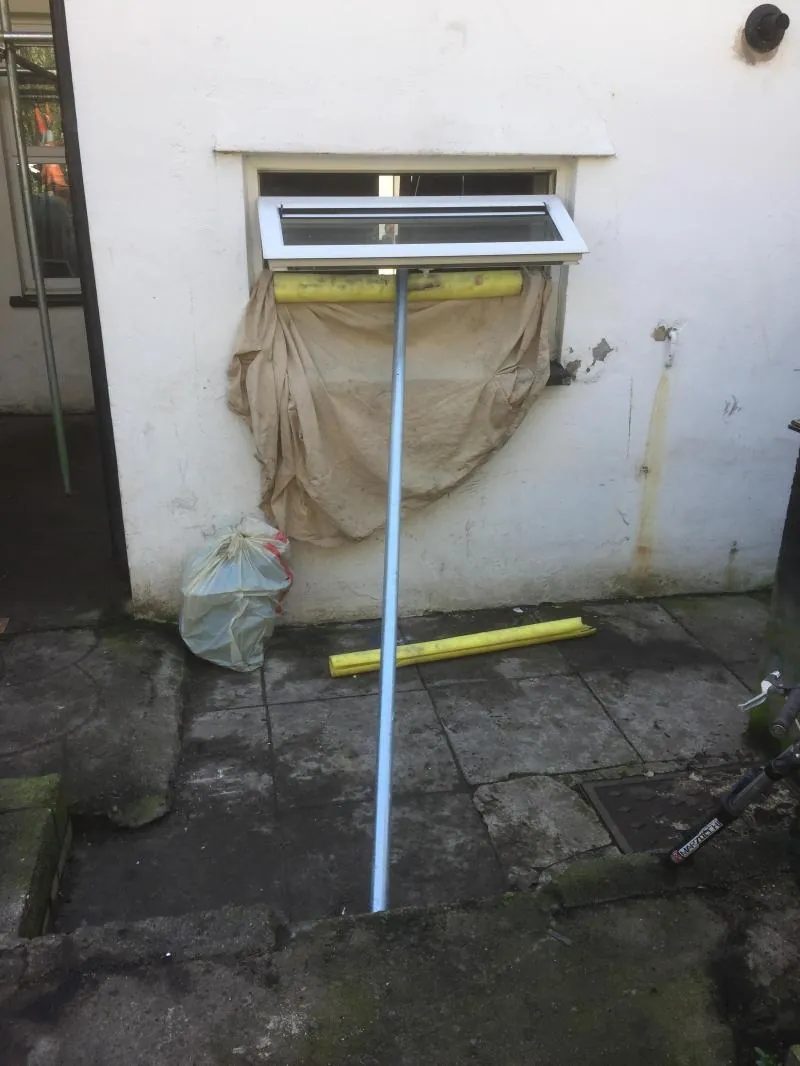
 Domestic Scaffolding
 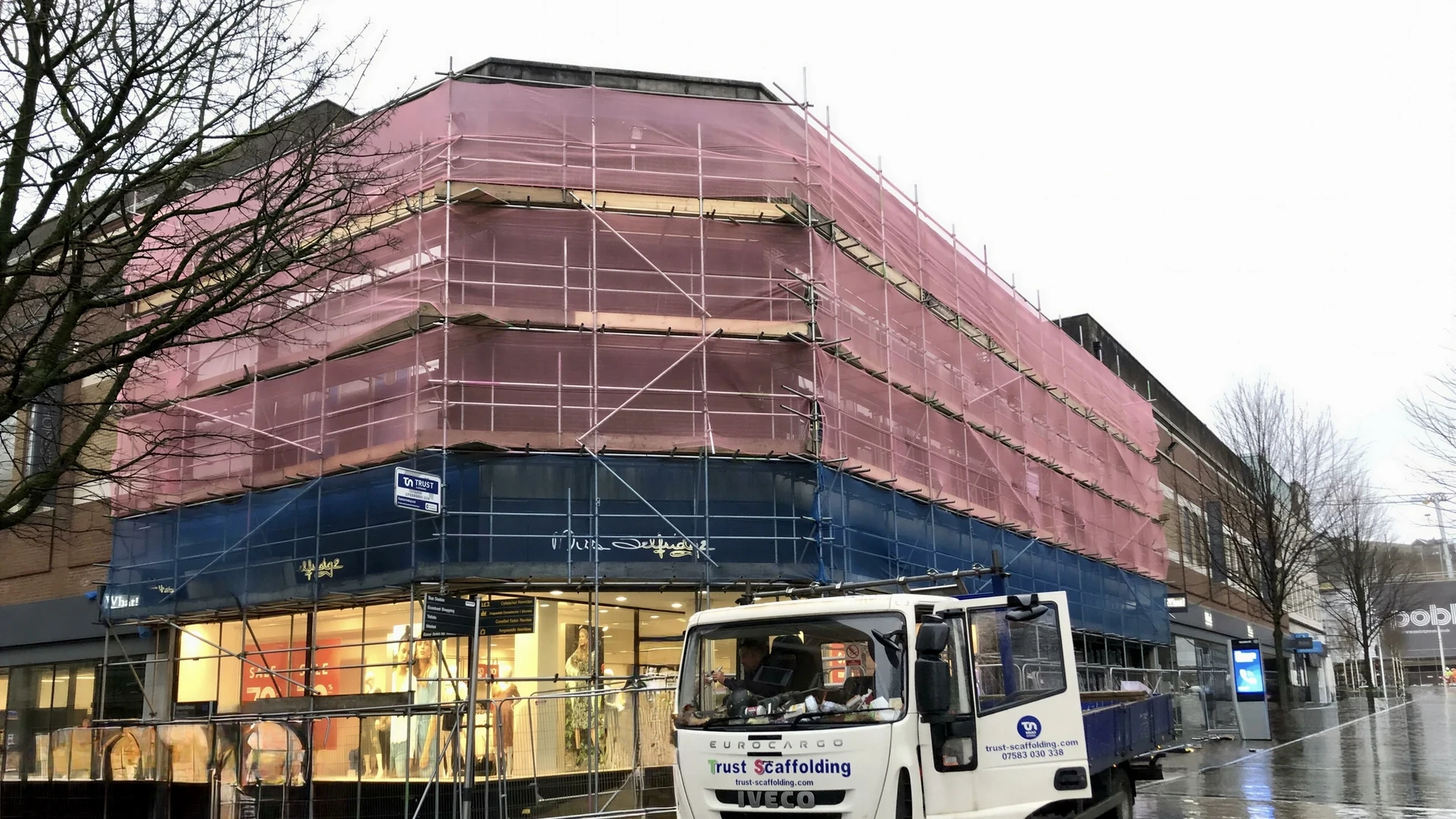 Commercial Scaffolding
 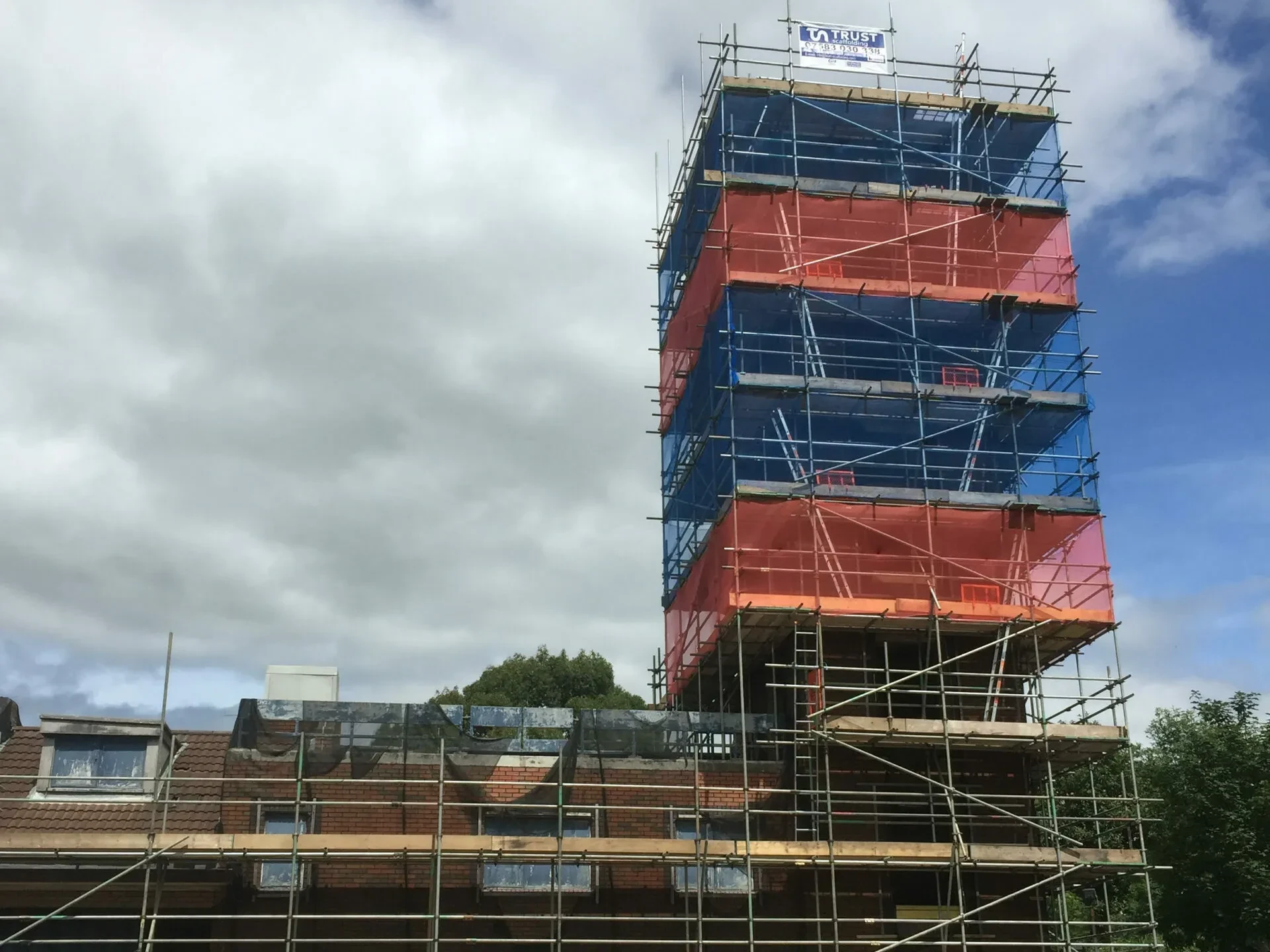 Industrial Scaffolding
 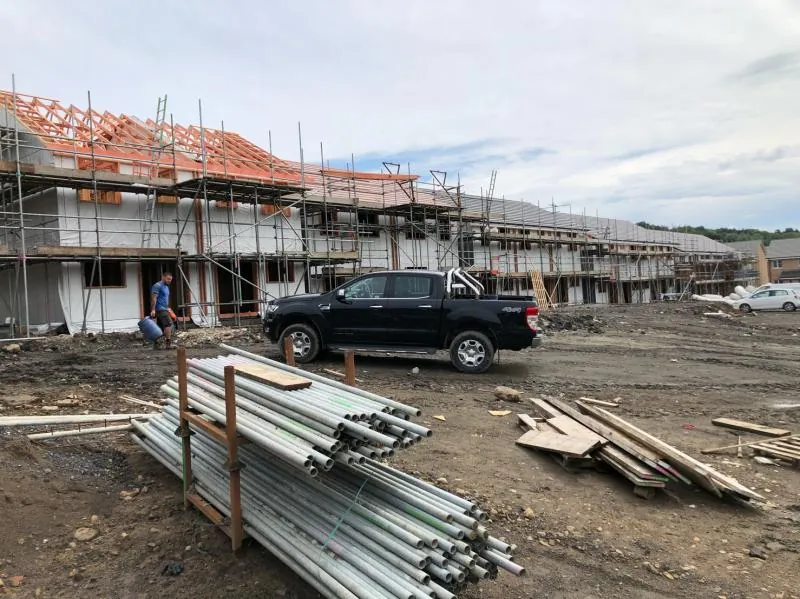 New Build Scaffolding
 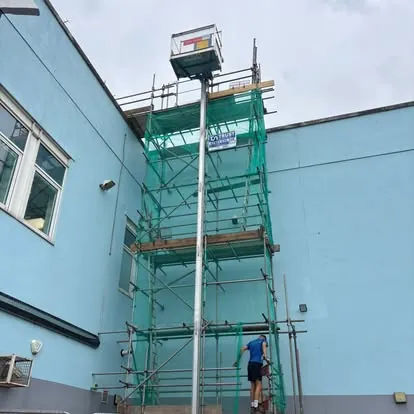 Access Towers
 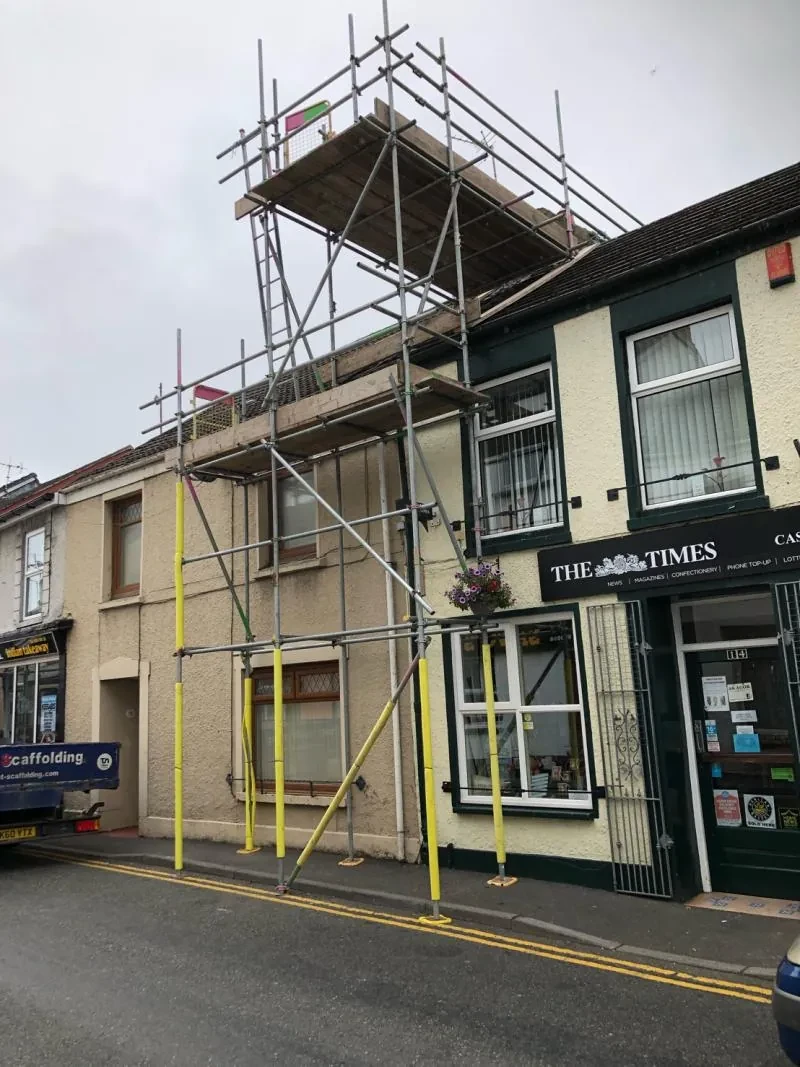 Chimney Scaffolding
 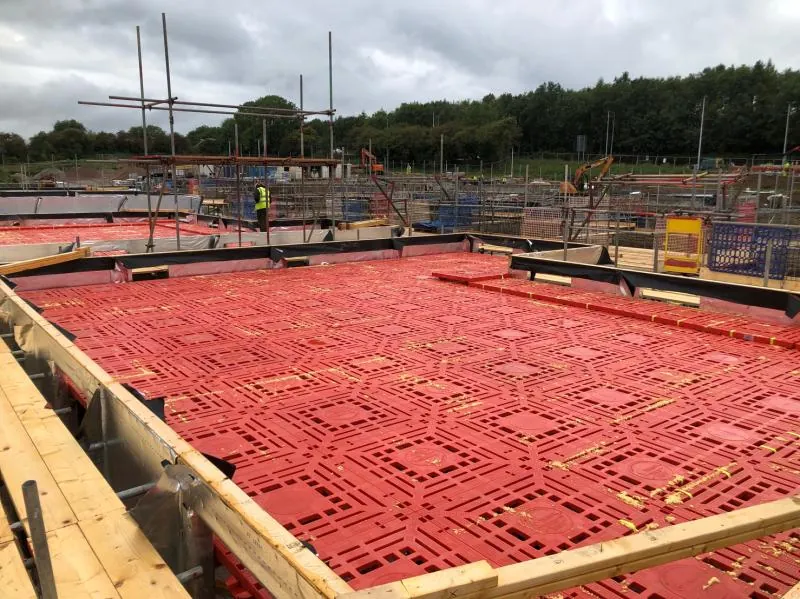 Interior Scaffolding
 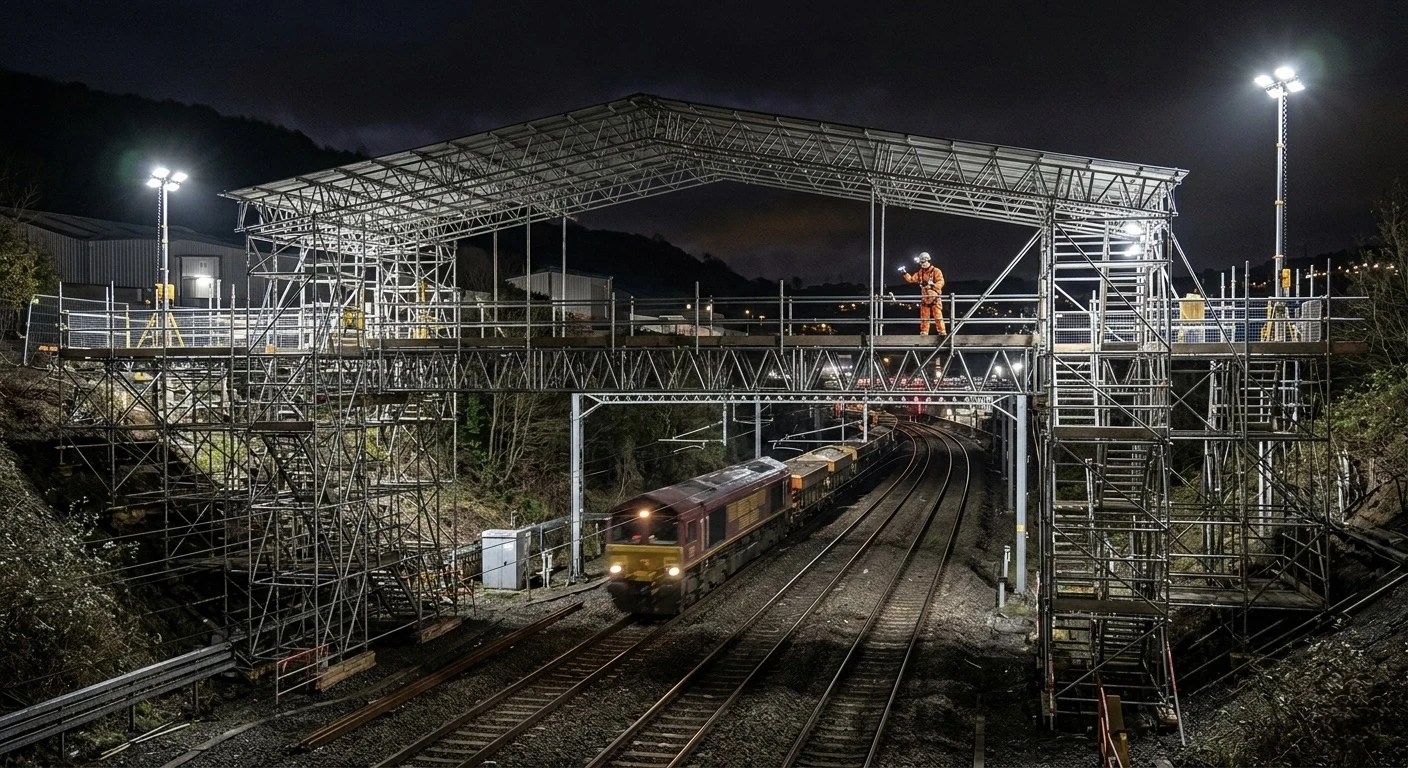 Rail Scaffolding
 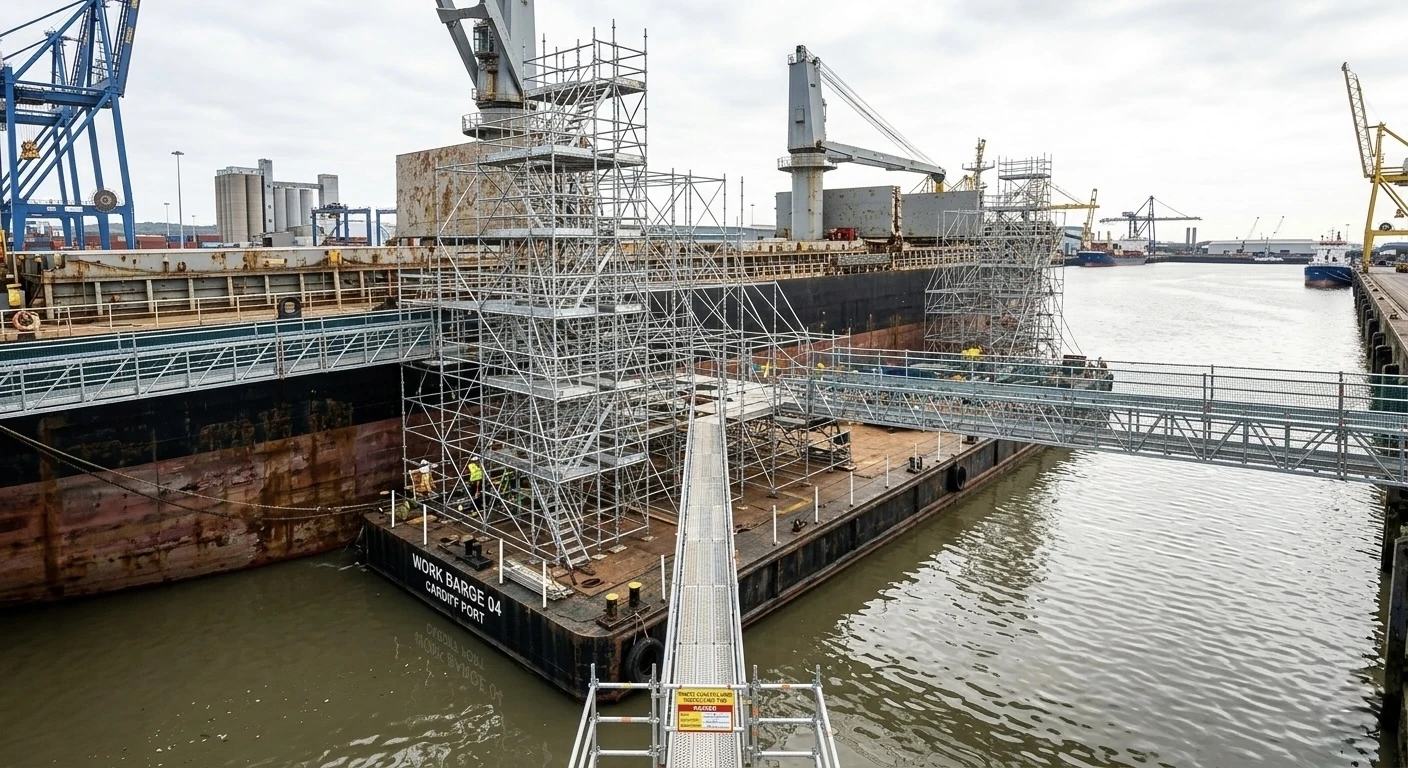 Marine Scaffolding
  Bridge Scaffolding
  Heritage Scaffolding
 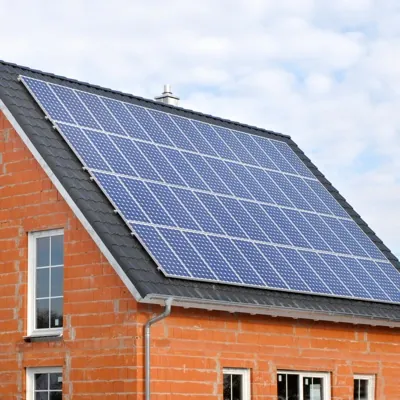 Solar Panel Scaffolding
 Swansea
  Port Talbot
  Neath
Neath  Llanelli
  Carmarthen
  Ammanford
  Haverfordwest
  Pembroke Dock
  Cardiff
  Newport
  Bridgend
  Pontypridd
  Merthyr Tydfil
  The Valleys
  Caerphilly
  Bristol
  Avonmouth
  Bath
Bath  Weston-super-Mare
  Gloucester
  Cheltenham
  Taunton


Hoists
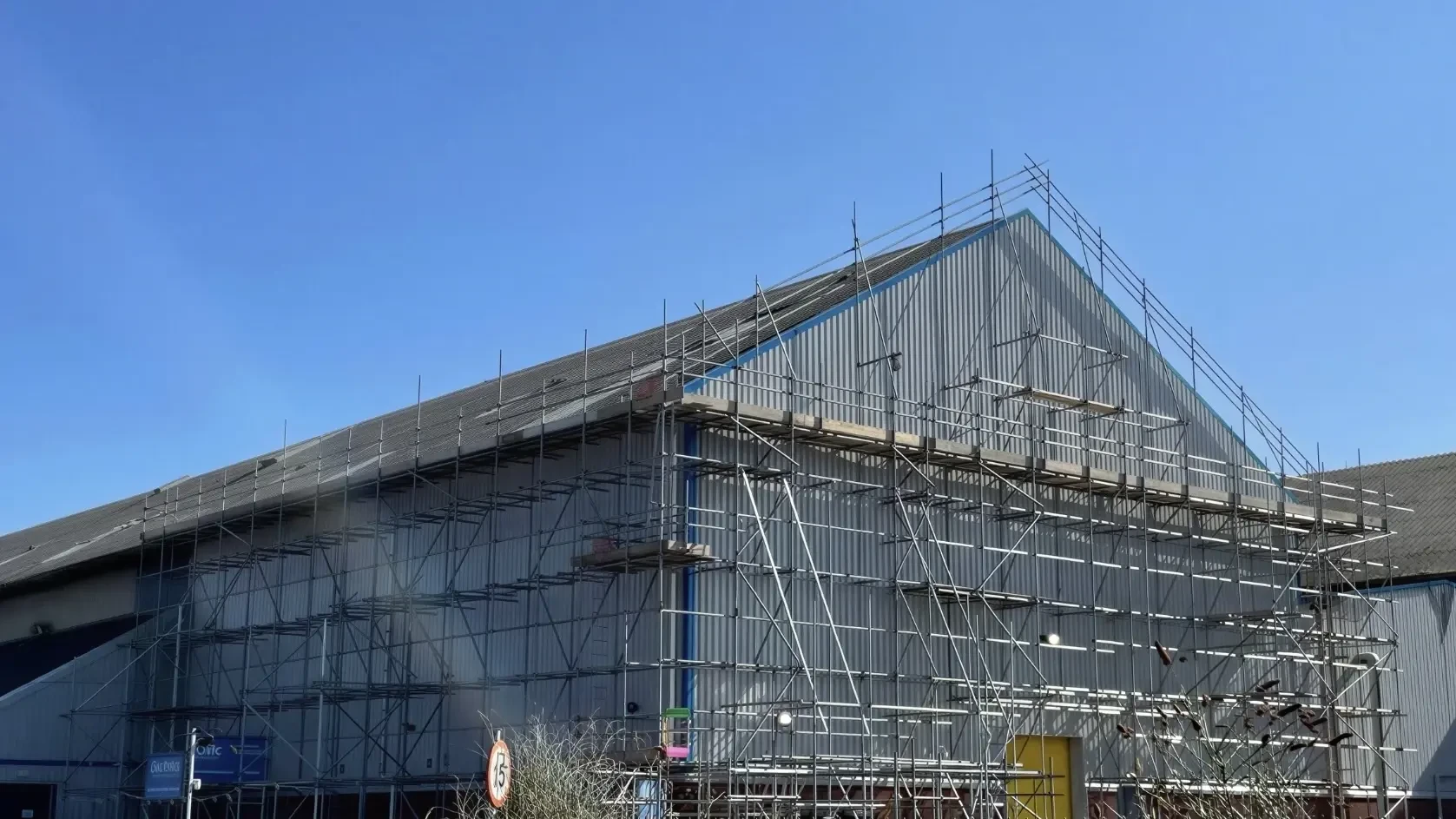
Before a site manager reads anything else, they ask one question: will it lift my materials? Trust Scaffolding provides LOLER-compliant scaffold hoists from 200 kg up to 1,000 kg SWL — electric rope hoists, goods platforms, and certified passenger hoists — with current 6-monthly thorough examination certificates delivered to your site on day one. Gantry hoist hire, electric scaffold winch, and goods hoist for construction sites across Cardiff, Swansea, Neath, and all of South Wales. <a href="/contact/">Request a Hoist Quote</a>.

Scaffold Hoist Hire in Cardiff, Swansea & South Wales
Scaffold hoists (also called builder's hoists) are powered lifts attached to scaffold structures that raise buckets or cages of materials and equipment. HSE guidance notes that hoists provide 'the smooth and rapid movement of workers and materials' on construction sites. By mechanising vertical transport, scaffold hoists make building and renovation projects faster and safer — less fatigue, fewer fall hazards and full compliance with LOLER 1998 and PUWER.
Last updated: March 2026
Key Takeaways
- 200 kg to 1,000 kg SWL range — light-duty rope hoists to heavy-duty goods & passenger platforms
- Every unit LOLER-certified with current 6-monthly thorough examination certificate on delivery
- Gantry/scaffold hoists for small lifts; goods & passenger hoists for pallets and multi-storey projects
- Scaffold-integrated design — tie-ins, outriggers & load distribution calculated before erection
- Operator training, daily pre-use checks & full H&S file documentation included
- 15+ years' experience across South Wales
Quick Specs: Safe Working Loads & Lifting Capacities
Technical buyers need hard data before they read about service excellence. Here are the key specifications for the hoists we supply — all rated, labelled, and LOLER-certified before arrival on site.
Electric rope hoists for buckets of mortar, tools, and roof slates. 110 V or 230 V supply. Ideal for domestic renovations and smaller commercial projects.
Scaffold-mounted goods hoists for pallets of bricks, plasterboard sheets, and timber. 230 V single-phase or 110 V transformer supply. Most popular for multi-storey residential work.
High-capacity goods or personnel hoists for commercial and industrial projects. 400 V 3-phase supply. Handles cladding panels, block pallets, and heavy equipment over multiple storeys.
Configured to your scaffold height. Typical lift speeds of 15–30 m/min for rope hoists; mast-climbing and rack-and-pinion units discussed on application for multi-storey projects.
Trust Scaffolding provides expert hoist solutions across Cardiff, Swansea, Newport, Neath Port Talbot, Bridgend and the whole of South Wales. Material hoists are essential on multi-storey projects where building materials — bricks, blocks, mortar, tiles, cladding panels and tools — need to be transported safely and efficiently from ground level to the working platform.
Types of Scaffolding Hoists
- Electric Rope Hoists — motor-driven wire-rope hoists (typically 110 V or 230 V) used to lift buckets of bricks, blocks or tools. Capacities range from a few hundred kilograms up to 500 kg or more, with pendant controls and emergency stops.
- Manual & Chain Hoists — simple pulley or chain hoist systems that lift lighter loads without electricity. Suitable for modest materials or remote locations; still require secure rigging points on the scaffold.
- Material / Transport Hoists — larger hoists with a cage or platform for bulky materials like plasterboard, timber sheets, piping or scaffold tubes. May travel along a scaffold mast or be mounted on a swing arm.
- Passenger / Personnel Hoists — certified hoists with a safety cage that transport authorised personnel and their tools. HSE mandates that only designated hoists can carry people and that no one rides on a goods-only hoist.
Lifting Options: Find the Right Scale of Solution
Lightweight electric rope hoists and manual chain hoists that clamp directly onto scaffold standards — ideal for lifting buckets of mortar, small tools, tiles, and light materials on domestic and low-rise commercial sites. Fast to rig, minimal footprint, and easily repositioned as the work moves. SWL typically 200–500 kg.
Larger platform or cage hoists for high-volume material movement — full pallets of blocks, plasterboard sheets, piping, and cladding panels. Passenger-certified units with full safety cages allow authorised personnel to travel with their tools, subject to HSE requirements. SWL 500 kg–1,000 kg+. 3-phase supply recommended for continuous high-cycle use.
Benefits of Powered Hoist Systems
- Speed & Productivity — buckets of mortar, stacks of bricks, roofing supplies and tools can be lifted in minutes instead of hauled by hand, keeping projects on schedule.
- Enhanced Safety — lifting heavy loads mechanically reduces manual-handling injuries and fall risk on ladders. Workers stay on stable platforms rather than climbing with loads.
- Labour Savings — fewer labour-hours are needed when hoists do the heavy lifting, lowering costs and freeing crews for skilled tasks.
- Versatility — hoists handle pallets of blocks, cement mixer drums, glazing units, stacked timber and more, eliminating bottlenecks on multi-storey jobs.
- Regulatory Compliance — rated load plates and safety features ensure your site meets HSE standards, keeping materials off narrow planks and maintaining safe scaffold loadings.
Integrating Hoists with Scaffold Systems
Proper integration is critical. NASC guidelines warn that if a hoist is attached to a scaffold, the scaffold must be designed to accept the loads from the hoist. Adding a hoist shifts the scaffold's centre of gravity, so tie-offs to the building or outriggers are always used to prevent tipping.
- Mounting — heavy-duty clamp brackets or swing arms lock onto scaffold tubes with angled braces or stack pins, all load-tested and rated for the hoist's capacity.
- Outriggers & Side Brackets — where a hoist creates an offset load, outriggers widen the base to stabilise the tower.
- Safe Working Loads — we ensure scaffold legs, base plates and anchorage can carry the hoist plus materials with an appropriate safety factor.
- Safety Accessories — landing gates, enclosures, guardrails, toe-boards and mesh are fitted as required. All tie-in points are checked and tested to TG4 protocols.
Typical Applications
- Masonry — lifting pallets of bricks, blocks or mortar skips directly to the masons' level.
- Drywall & Panels — raising plasterboard sheets, sheathing, plywood or roofing sheets with no manual carry.
- Roofing & Facades — hoisting roof tiles, slates, fascia boards or pre-cut timbers to roof height safely.
- Equipment & Tools — delivering generators, compressors, drills and heavy toolkits to upper floors.
- Scaffold Erection — carrying scaffold parts, handrails and ledgers up as the scaffold itself is built, reducing ground congestion.
Health & Safety & LOLER Compliance
LOLER Compliance: The Law, Met on Delivery
Every hoist we supply is fully LOLER (Lifting Operations and Lifting Equipment Regulations 1998) compliant. We deliver with current 6-monthly thorough examination certificates issued by a competent engineer, a rated and labelled Safe Working Load plate, and daily pre-use check records from our team. You receive all documentation for your site's Health & Safety file upon delivery — no chasing paperwork, no compliance gaps for your CDM Principal Contractor to field.
LOLER requires all lifting equipment to be: fit for purpose; clearly marked with SWL; examined at appropriate intervals; operated only by trained persons. Trust Scaffolding handles every one of those obligations. Request a LOLER-compliant hoist quote today.
All our scaffold hoist systems comply with UK regulations (PUWER / LOLER). Hoists are thoroughly examined and tested by a competent engineer before use and regularly thereafter. HSE law requires that lifting equipment be fit for purpose, clearly marked with a safe working load, and subject to periodic thorough examinations. Each hoist has a current LOLER inspection certificate and daily pre-use check records. Load capacities and controls are clearly labelled — no unauthorised loading of personnel on a goods-only hoist. We provide all fall-protection gates, fencing and emergency stops.
Trust Scaffolding brings over 15 years of scaffolding expertise to every job. We supply, install, test and maintain the hoist alongside the scaffold, acting as a single point of responsibility. Our installers are Scaffold Association audited contractors and our operators are trained in hoist safety. From initial survey to commissioning, we handle logistics, planning and on-site training so your crew can work confidently and compliantly.
Scaffold Hoist Hire Cardiff & Gantry Hoist Hire South Wales: LOLER Compliant Hoist Rental
Trust Scaffolding is South Wales's specialist for scaffold hoist hire Cardiff, Swansea, Newport, Neath, and Bridgend. From lightweight gantry hoist hire on domestic roofing and extension projects to heavy-duty goods hoists for construction sites handling full pallets of blocks and cladding panels, every unit arrives LOLER-certified, labelled, and ready for your site safety file. Our LOLER compliant hoist rental service eliminates the legal risk for principal contractors — one supplier, full documentation, operator training included.
Electric Scaffold Winch & Construction Lifting Equipment Swansea: Scaffold-Integrated Hoist Solutions
An electric scaffold winch attached to a properly engineered scaffold bracket is the fastest way to remove the materials bottleneck on any multi-storey project. Trust Scaffolding integrates hoists into the scaffold design from the outset — tie-in points, outriggers, and load distribution all calculated before the first tube goes up — so your construction lifting equipment is safe, stable, and productive from day one. Get a scaffold hoist quote for your South Wales project today.
Scaffold Hoist Solutions
- Electric rope hoists (110 V / 230 V / 400 V)
- Manual & chain hoists for lighter loads
- Material / transport platform hoists
- Passenger / personnel hoists with safety cage
- Heavy-duty clamp brackets & swing arms
- Landing gates, enclosures & overhead protection
- LOLER inspection, certification & daily checks
- Operator training & on-site briefings
- Outriggers, tie-ins & TG4 load testing
- Standalone or integrated with scaffolding
Hoists FAQs
What sizes and capacities of hoists are available?
We offer a range from light-duty hoists (100–300 kg SWL) up to heavy-duty units (500 kg – 1 tonne or more) for larger construction needs. The right size is selected based on your load requirements and scaffold height.
What power supply is required?
Most hoists run on standard 230 V single-phase. Some smaller hoists use 110 V via transformer, and for heavy-duty or continuous use we can provide 400 V 3-phase models and generators. We advise on power needs during planning.
How long does installation take?
Once the scaffold is ready, a hoist can typically be rigged and commissioned within a few hours. We attach the bracket or mast, run power and controls, then load-test. Larger hoist towers may take a day. Our team works quickly to minimise site downtime.
What safety checks are done on the hoist?
Before first use we perform a LOLER inspection and functionality test. Each day the operator runs a brief check (brake, ropes, limit switches, gates). Every 6–12 months a thorough statutory examination is done by a qualified engineer. We handle all scheduling and record-keeping.
Can the hoist carry people or just materials?
We have both goods-only hoists and certified passenger hoists. Goods-only hoists are restricted to materials — HSE forbids passengers on a goods-only lift. If you need to lift workers, we install a passenger-capable hoist with full safety cage and controls.
Do I need training to use the hoist?
Yes. UK regulations require that only trained, competent persons operate hoists. Trust Scaffolding provides operator training and detailed briefings on controls, emergency procedures and safe loading before leaving site.
Still have questions? Get in touch with our team — we're happy to help.
Accredited By
Being a member of The Scaffolding Association as Audited Contractors is but one of many accreditations and certifications that we hold.