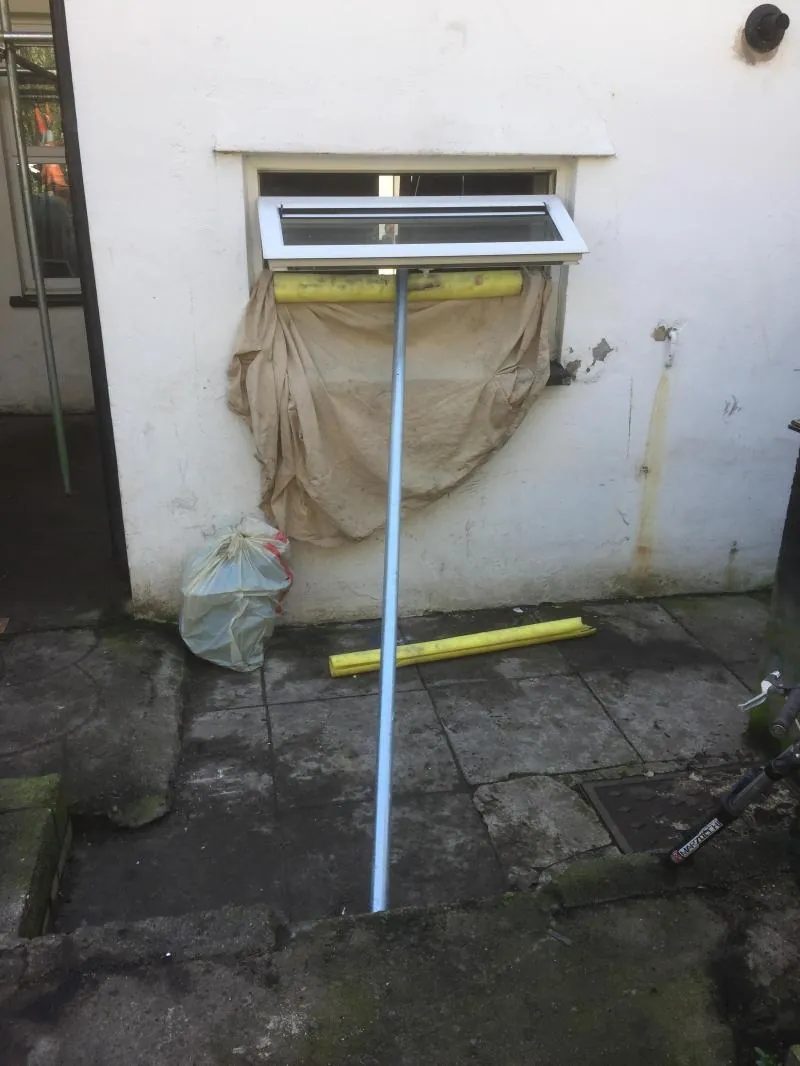
 Domestic Scaffolding
 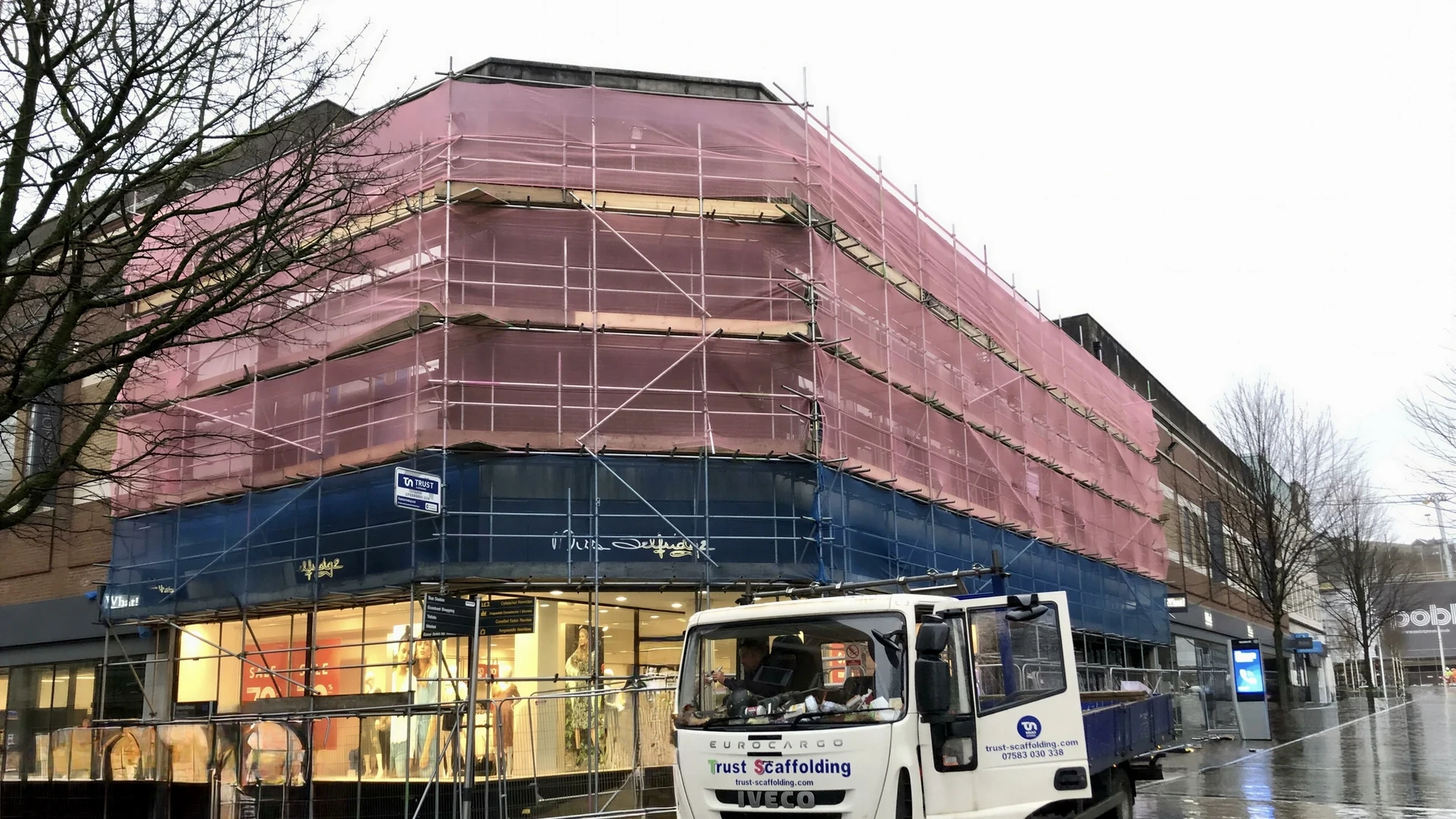 Commercial Scaffolding
 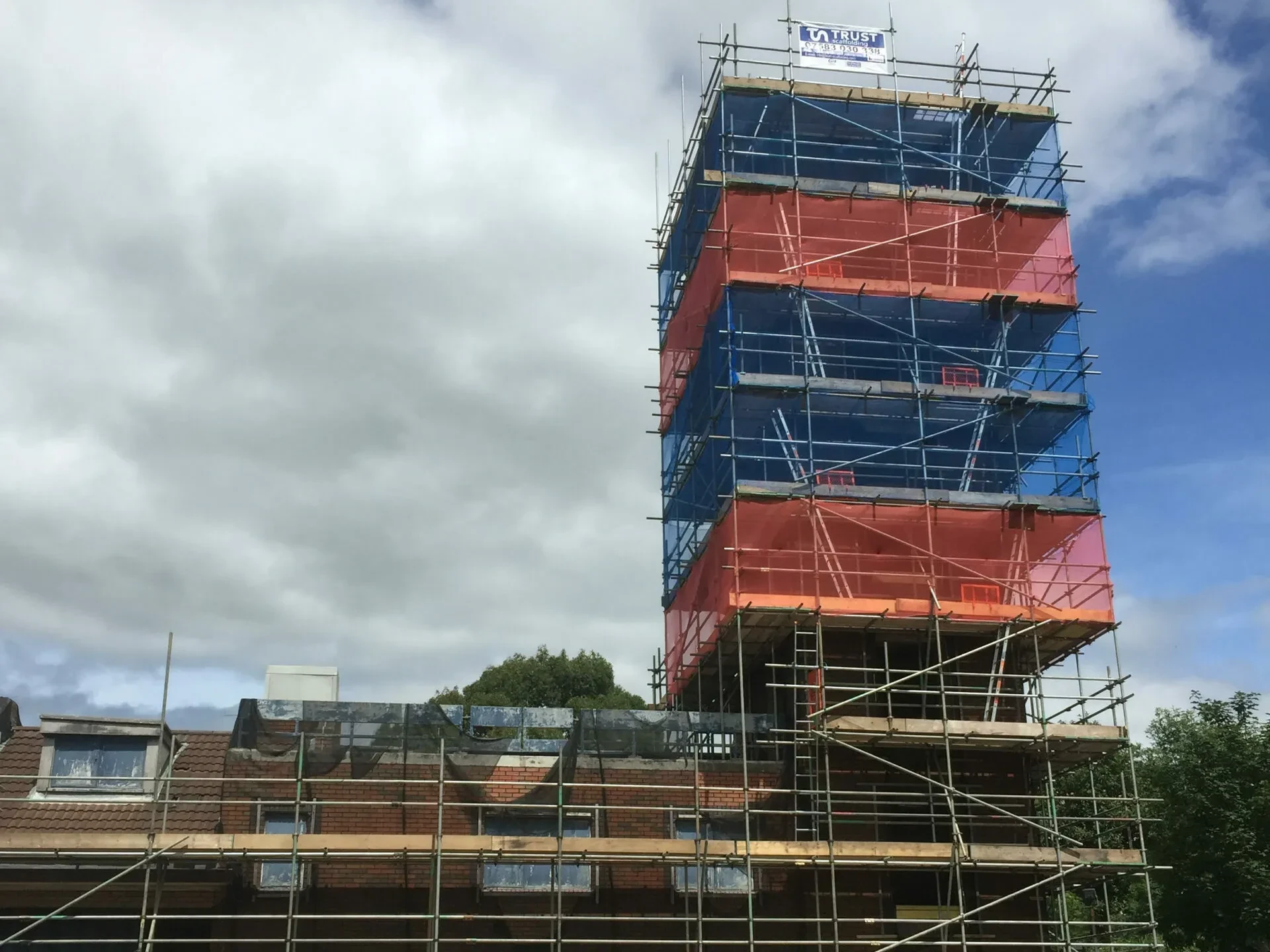 Industrial Scaffolding
 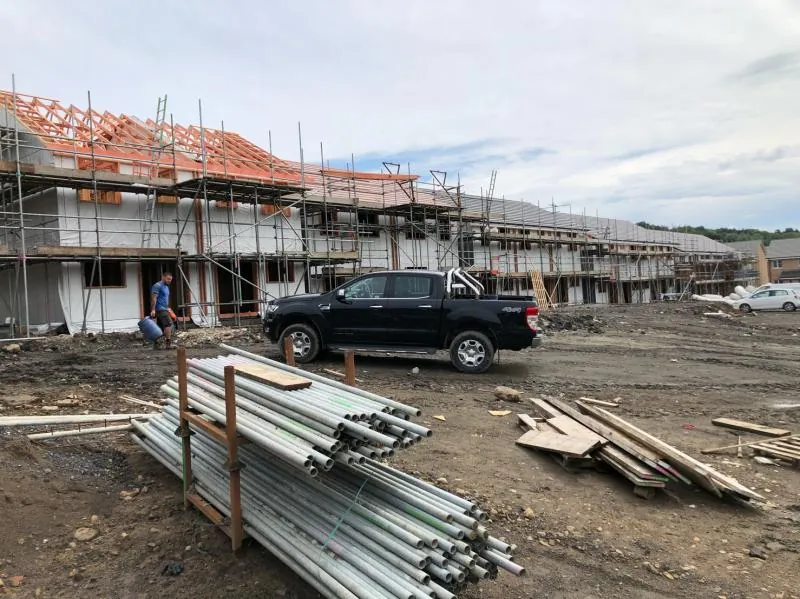 New Build Scaffolding
 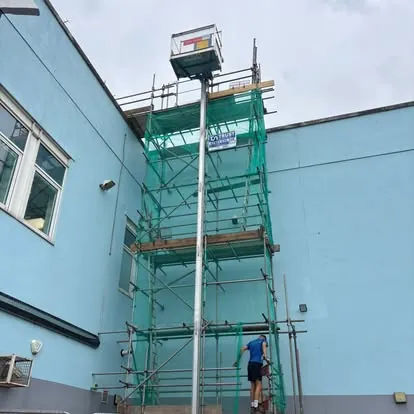 Access Towers
 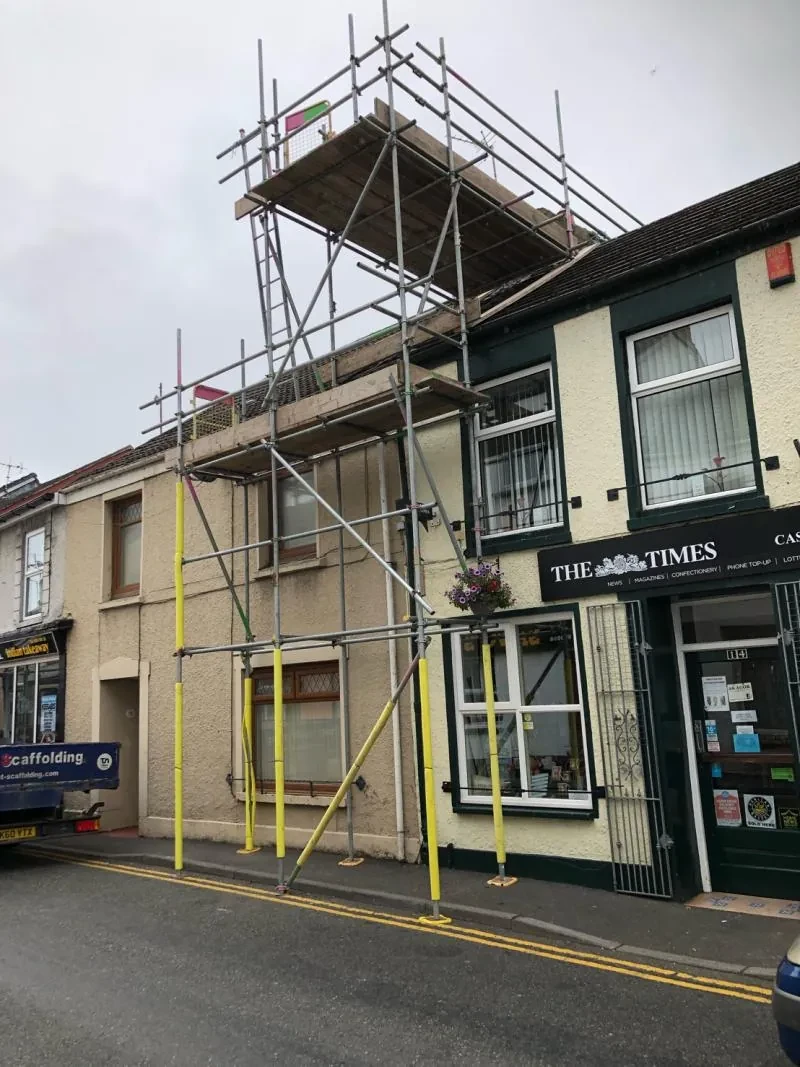 Chimney Scaffolding
 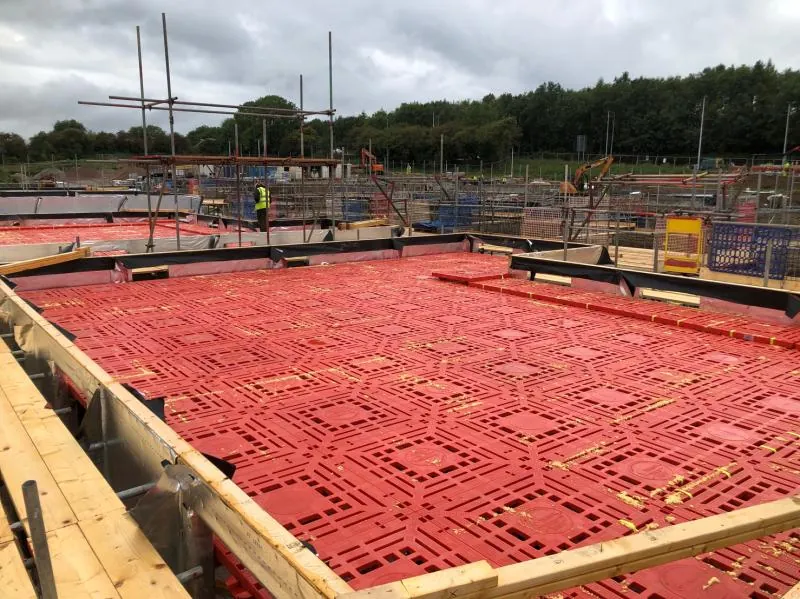 Interior Scaffolding
 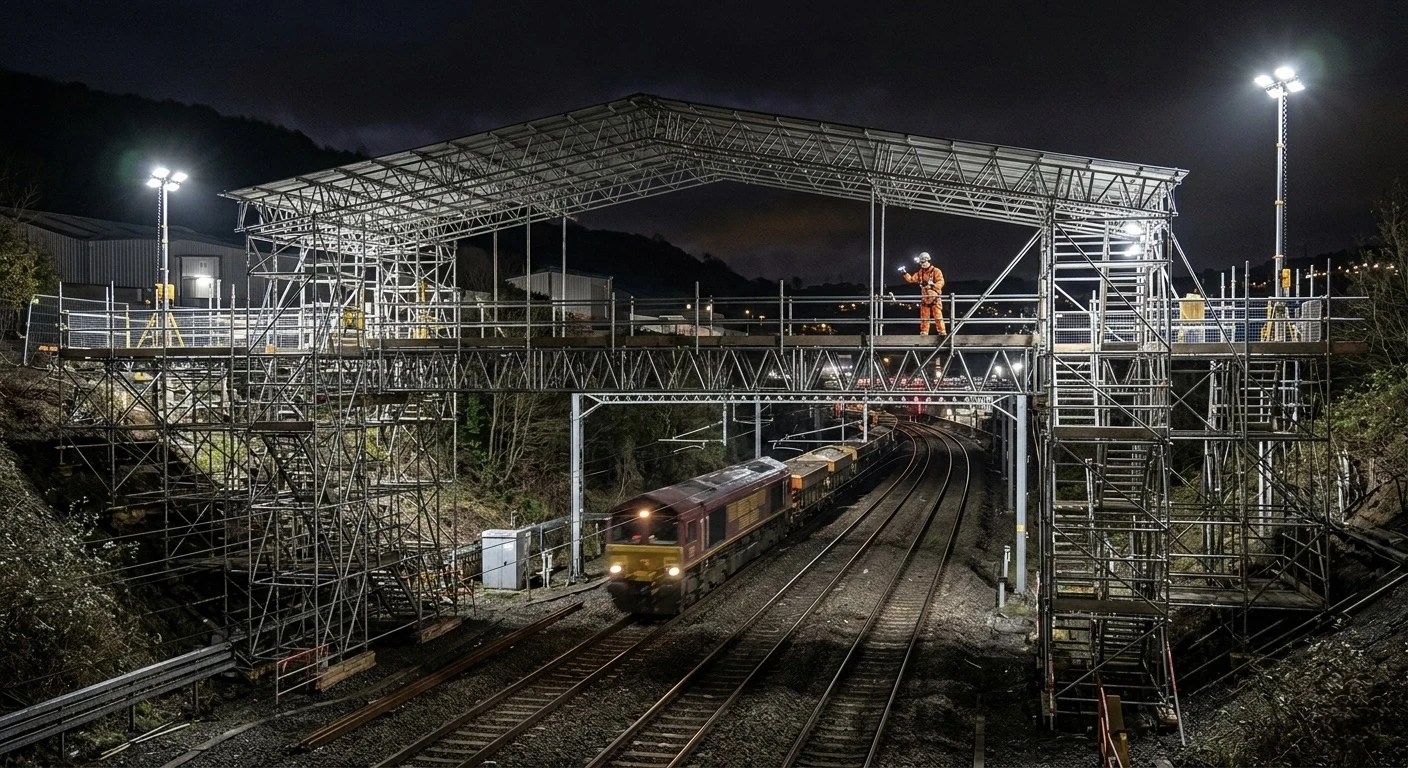 Rail Scaffolding
 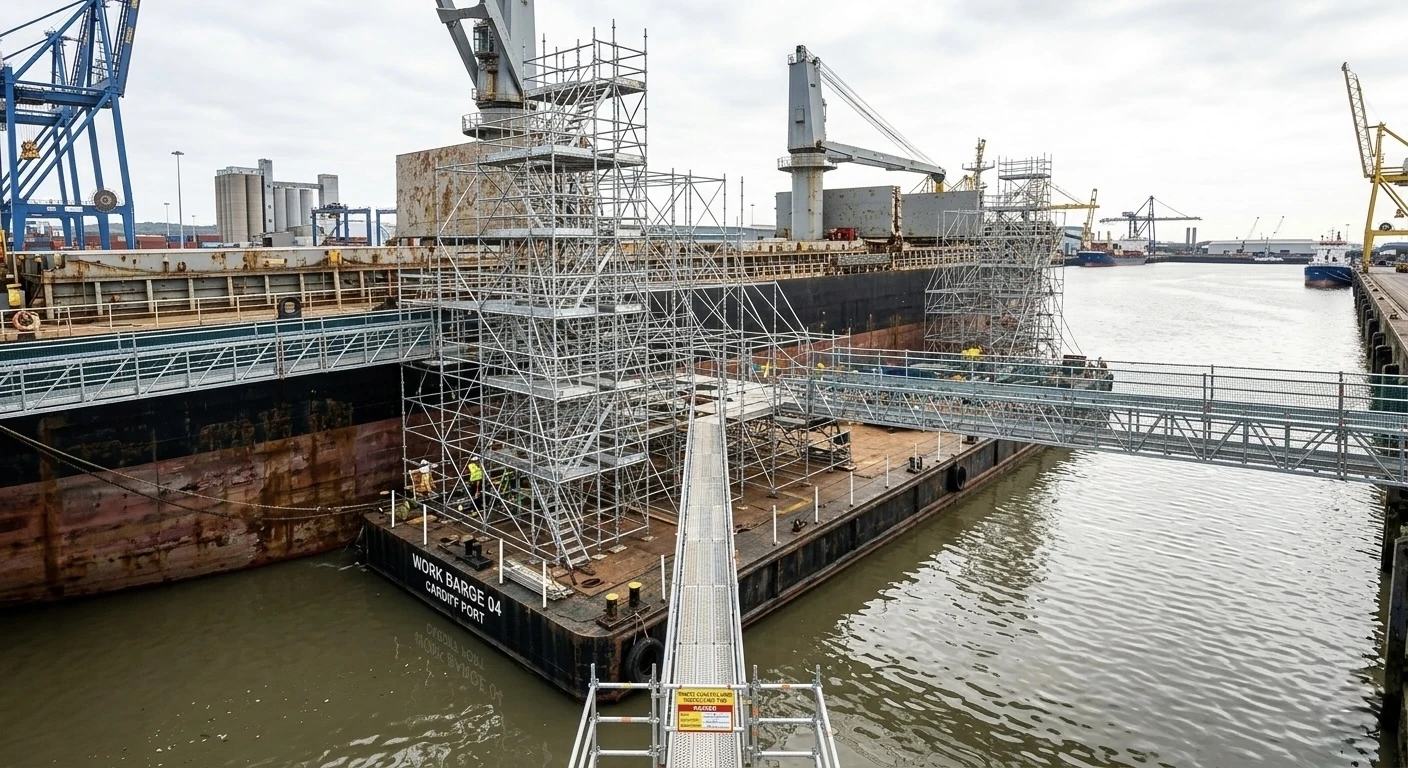 Marine Scaffolding
  Bridge Scaffolding
  Heritage Scaffolding
 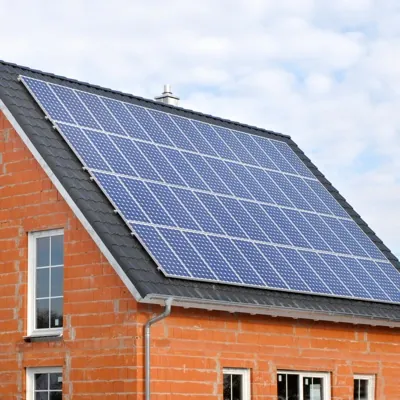 Solar Panel Scaffolding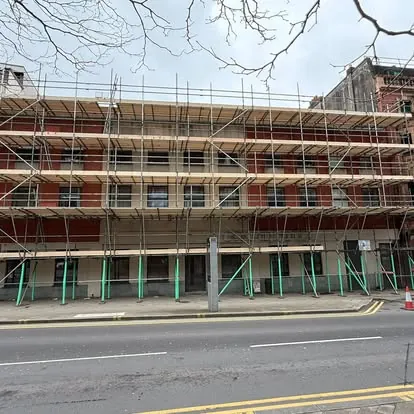
 Swansea
  Port Talbot
 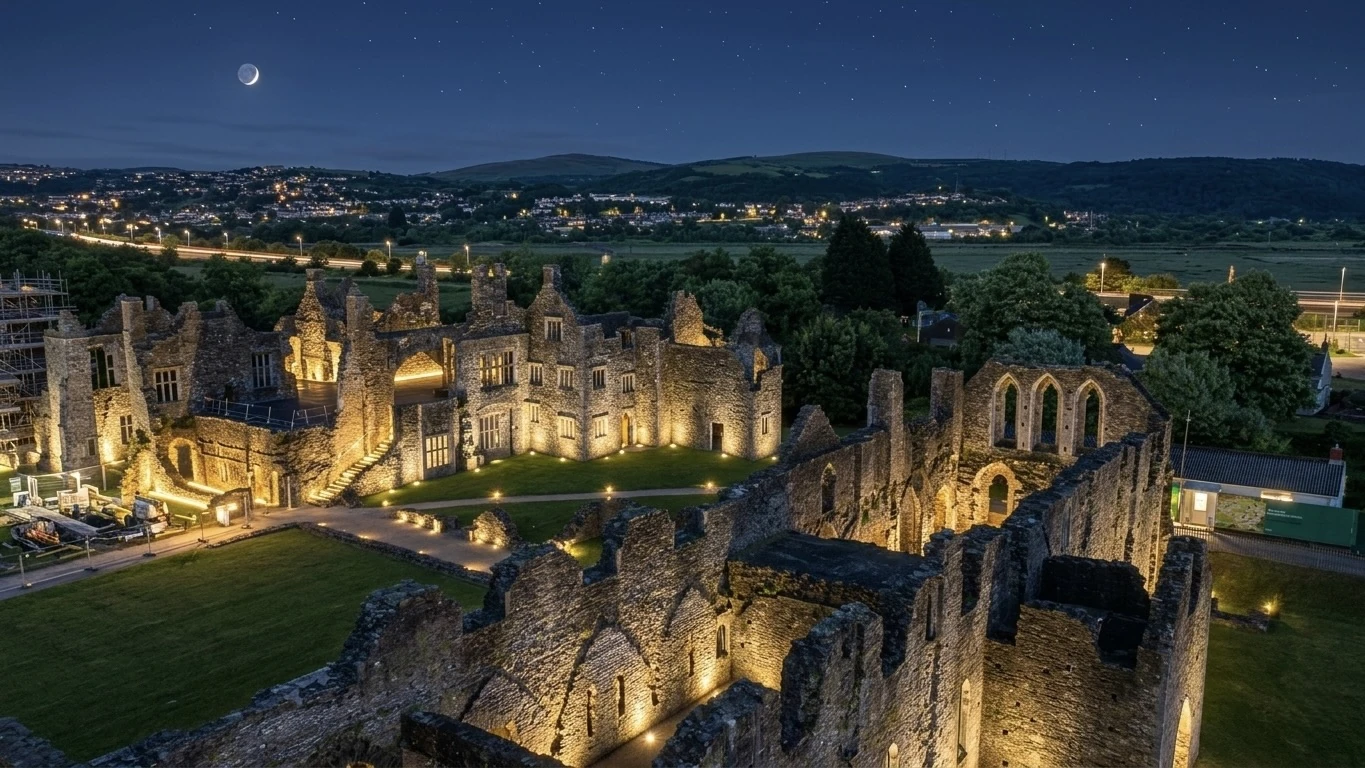 Neath
Neath  Llanelli
  Carmarthen
 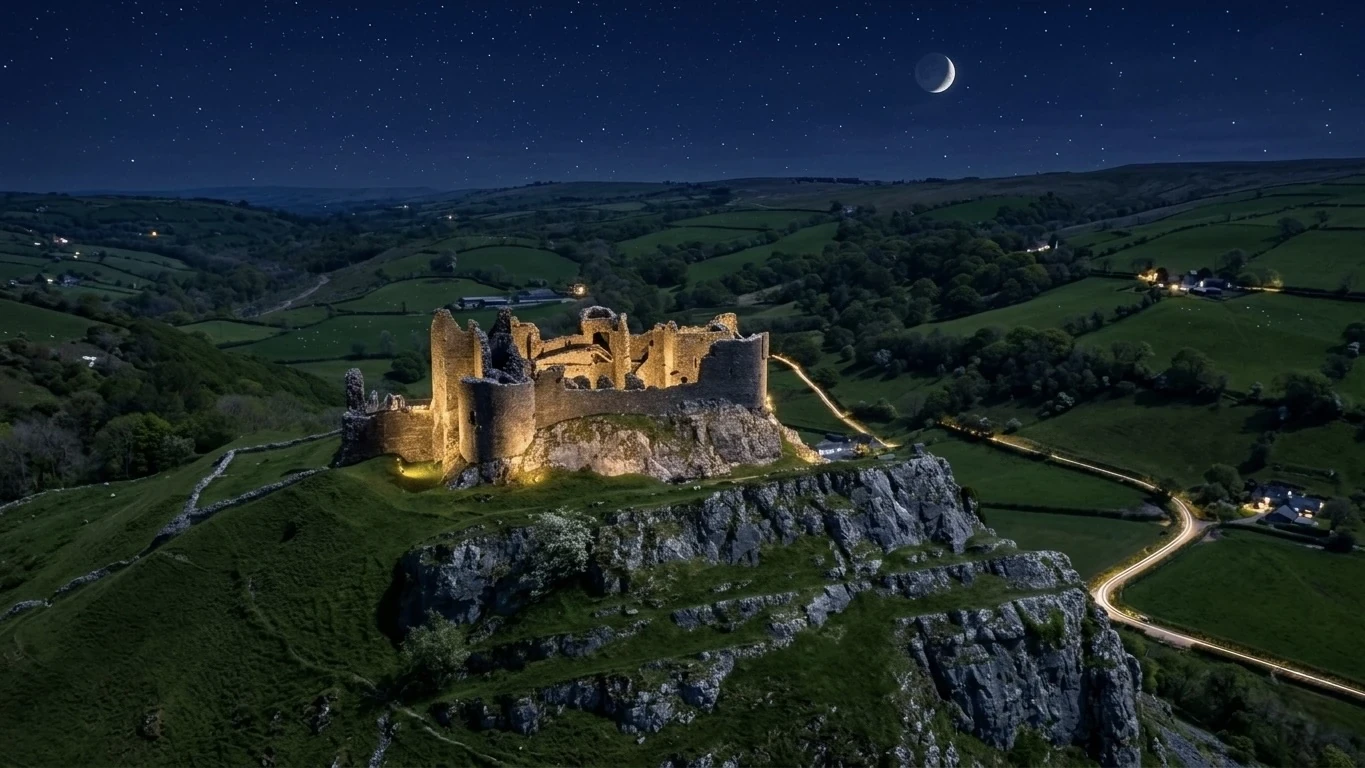 Ammanford
  Haverfordwest
 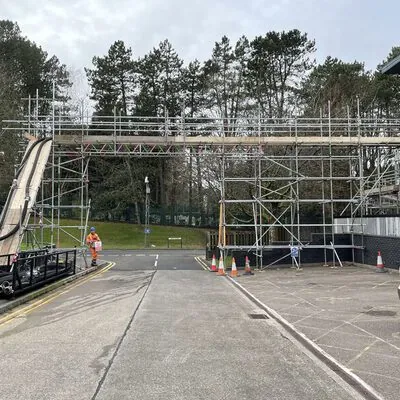 Pembroke Dock
  Cardiff
  Newport
 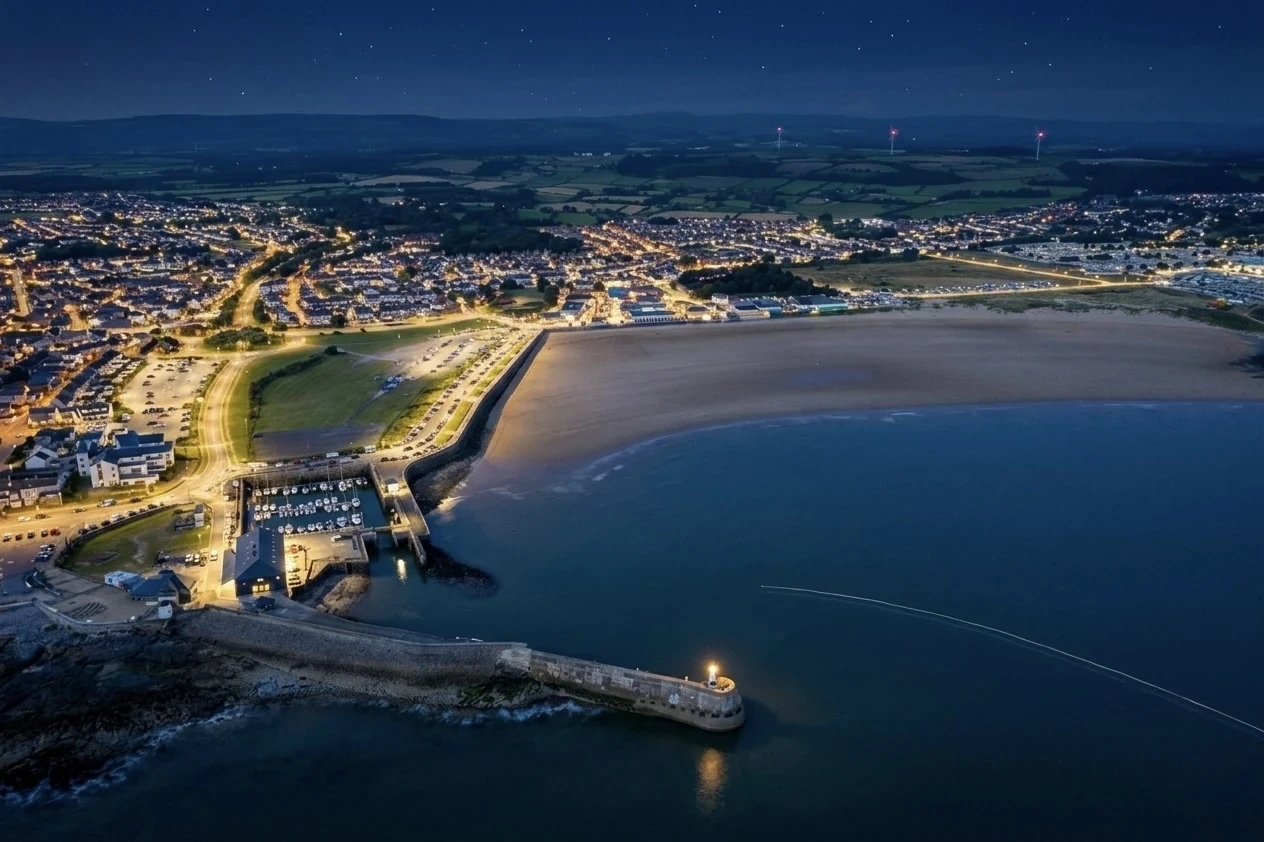 Bridgend
  Pontypridd
  Merthyr Tydfil
 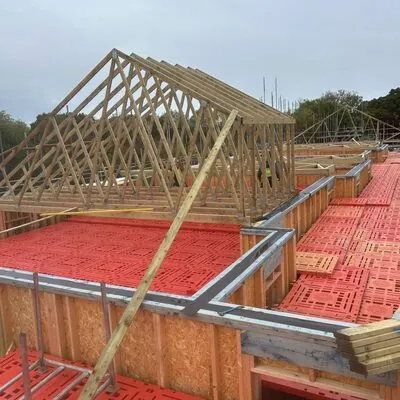 The Valleys
  Caerphilly
  Bristol
  Avonmouth
  Bath
Bath  Weston-super-Mare
  Gloucester
  Cheltenham
  Taunton

Interior Scaffolding
Non-marking base plates. Rubber-tipped poles. Out-of-hours erection. Trust Scaffolding's interior scaffold service is as much about cleanliness and zero disruption as it is about technical precision — birdcage rigs, stairwell towers, and suspended platforms for churches, atriums, offices, and luxury homes across Cardiff, Swansea, Neath, and South Wales.

Interior Scaffolding & Birdcage Scaffolds in South Wales
Interior scaffolding (also called indoor or birdcage scaffolding) provides safe, stable work platforms inside buildings to reach high ceilings, atriums, stairwells and other elevated indoor areas. It's the go-to solution for any internal project at height – from repainting a vaulted church ceiling to installing lighting in a shopping centre atrium – where ladders or mobile platforms just won't suffice. Trust Scaffolding is your local specialist for interior scaffolding across Cardiff, Swansea, Neath, and all of South Wales. With over 15 years' experience in the region, our CISRS-certified scaffolders design and erect bespoke indoor scaffolds for churches, historic buildings, commercial properties, and even private homes.
Last updated: March 2026
Key Takeaways
- Full-service indoor scaffolding: birdcage scaffolds, tower scaffolds & specialist interior systems across South Wales
- CISRS-qualified scaffolders with PASMA-trained staff – every indoor scaffold built to BS EN 12811 & TG20:21 standards
- Heritage & sensitive project expertise: churches, listed buildings & live workplaces with padded, floor-protective methods
- Efficient, low-disruption work: flexible scheduling, dust/noise containment & daily coordination
- Crash decks, confined-space scaffolds & stairwell systems for every indoor access challenge
We adhere strictly to the Work at Height Regulations 2005 (which mandate safe access for tasks over 2m high) and the latest NASC TG20:21 design guidelines for scaffolding. Our indoor scaffold solutions meet or exceed all modern safety requirements, so you can have total peace of mind that your project is in expert hands. We go beyond compliance – focusing on minimal disruption, protecting sensitive interiors, and finishing on time.
Our Clean-Site & Non-Disruptive Access Protocol
When your team is working inside a live church, a high-end office atrium, or a finished home interior, cleanliness and zero surface damage are non-negotiable. These measures are in place on every interior job before a single component enters the building:
- ✓ Non-Marking Base Plates
Rubber-soled base plates and oversized sole boards beneath every leg — no scuffing of marble, parquet, carpet, or heritage tile floors. - ✓ Rubber-Tipped Poles
Protective rubber end caps on all exposed tube ends — walls, columns, decorative plasterwork, and UPVC finishes stay unmarked throughout the project. - ✓ Dust Mitigation
Polythene sheeting, zip-wall barriers, and daily clean-up as standard — preventing construction dust from migrating into occupied areas, meeting rooms, or sensitive displays. - ✓ Floor Boarding & Matting
Full plywood decking or heavy-duty rubber matting laid beneath all erection areas — point loads from scaffold legs spread across the structural floor, not concentrated on tiles or boards.
Why Interior Scaffolding Matters in 2026
In 2026, construction and renovation projects demand higher safety and quality standards than ever. Interior scaffolding is more important than ever for enabling these works. Modern buildings often feature high atriums, complex roof structures, and confined service areas that must be accessed safely for maintenance or upgrades. A fall from height can be catastrophic, so using a proper scaffold is essential – it's not just best practice, it's the law.
New industry standards have evolved. The latest BS EN 1004-1:2020 standard specifies strict safety requirements for indoor mobile towers, and TG20:21 guidelines provide proven scaffolding designs that eliminate guesswork. Our team stays up-to-date with all these developments, bringing an experienced perspective – backed by formal training and qualifications – to each project, advising clients on the best access method (e.g. birdcage scaffold vs. a powered lift) for efficiency and safety. Interior scaffolding in 2026 is not just about 'putting up some tubes and boards'; it's about engineered, specialist solutions that protect both workers and your building.
Consider also the trend towards renovating and repurposing older structures – South Wales has many Victorian and Edwardian buildings being modernised. Interior scaffolding allows these projects to proceed safely, preserving historic elements while meeting today's standards. It matters because we won't compromise on safety, and neither should you – especially not indoors where the environment is controlled and every precaution can be taken.
Common Use Cases: Residential, Commercial & Heritage
Interior scaffolding is incredibly versatile. Below are some of the most common scenarios where our South Wales clients call us in:
- Commercial Interiors: Shopping centres, office blocks, hospitals and schools often have expansive interiors – large open areas or high ceilings – that require birdcage scaffolds for access. Installing a new HVAC system in a mall atrium or changing lighting in a sports hall is far safer and faster with a full scaffold platform than with ladders or cherry pickers. We frequently scaffold offices, retail units, hotels, leisure centres, warehouses and factories to facilitate refits, repainting, ceiling repairs, and lighting, fire alarm or sprinkler installations.
- Residential Properties: Sometimes homes need interior scaffolding too. A three-storey town-house with a sweeping open staircase, or a vaulted foyer in a luxury home – painting or plastering such spaces, or installing a chandelier in a high ceiling, calls for a safe work platform. We provide stairwell scaffolds and tower scaffolds that let decorators and electricians work confidently at height in staircases and atriums of residential properties.
- Churches & Heritage Buildings: South Wales is home to many beautiful historic churches, chapels, and listed public buildings – all of which occasionally need internal upkeep. These projects demand special care. We have a strong portfolio of interior church scaffolding, where protecting the structure is as important as getting the job done. Our team designs these scaffolds to work around pews, columns, and fragile fixtures, using padded foam at contact points and custom bridging to avoid any damage. We deploy birdcage scaffolds that fill the nave or dome area, giving conservators full access to every inch of a decorated ceiling.
- Industrial & Plant Environments: Factories, power plants, and industrial sites sometimes require interior scaffolding in tight or unusual spaces – inside a large processing tank, around complex machinery, or within a lift shaft. Our confined-space scaffolding solutions cater to these situations. Using traditional tube-and-fitting scaffold (which is highly adaptable), we create access platforms in places with restricted entry points or limited room to build. We have provided interior scaffolds for warehouse roof truss inspections, boiler room maintenance, and even inside tall silos.
Whether it's a modern office or a medieval cathedral, if the work is indoors and off the ground, Trust Scaffolding has an interior scaffold solution for it.
Specialist Internal Solutions: The "Impossible" Jobs We Solve
Independent stairwell towers built over steps using adjustable base legs that compensate for each tread — no levelling the staircase, no closing the building.
Full-ceiling birdcage platforms for decorating, plastering, or conservation work. Multiple operatives cover the entire ceiling area simultaneously — no repositioning, faster programme.
When the floor cannot be touched — swimming pools, water features, live process areas — scaffold is hung from roof structural beams, leaving the floor completely clear below.
Narrow-profile tube-and-fitting rigs built within the shaft footprint using wall anchors rather than floor footings — giving lift engineers safe access to guides, motors, and pit equipment.
Flexible Scheduling: Night-Shifts, Weekends & Out-of-Hours
Most interior commercial scaffolding happens when the building is empty. Trust Scaffolding operates night-shifts, weekend installs, and out-of-hours strike teams as standard — erecting overnight so your staff arrive to a fully compliant, ready-to-use rig, and dismantling at weekends so Monday morning operations are unaffected. Zero downtime for your business, your customers, or your building users. Facilities managers: call 07583 030 338 to discuss priority scheduling.
Safety Protocols and Compliance for Indoor Work
Safety is our number one priority on every scaffolding job – and especially so for indoor projects where people may continue to occupy the building around us. Our approach to safety and compliance includes:
- Regulatory Compliance: All our scaffolding work conforms to the UK's Work at Height Regulations 2005 – we ensure full edge protection, proper access, and fall prevention measures on any platform above 2m. We only proceed with a job once a site-specific risk assessment and method statement (RAMS) is in place. Scaffold towers and system scaffolds are erected per manufacturer guidelines and BS EN standards (e.g. BS EN 1004 for mobile towers).
- Trained & Certified Crew: Only CISRS-certified scaffolders build or alter our scaffolds. CISRS is the UK's leading qualification for scaffolders, requiring extensive training and assessment. For mobile tower scaffolds, we also have PASMA-trained technicians.
- Engineered Designs: We use standard configurations from NASC's TG20:21 guidance for most birdcage scaffolds, which are pre-engineered solutions compliant with all structural requirements. If a scaffold falls outside these parameters (e.g. an unusually tall or heavy-duty birdcage), we obtain a bespoke scaffold design with structural calculations. Every indoor scaffold comes with full design compliance sheets or calculations as appropriate.
- On-Site Safety Measures: We establish clear exclusion zones around the work area with signage in public or commercial buildings. Our scaffolders use PPE, but we focus on collective protection – guardrails and toe boards on all platforms. We also comply with fire safety rules, ensuring fire exits aren't blocked by scaffolding.
- Inspections & Handover: Once erected, we perform a thorough handover inspection. Any scaffold in place for prolonged periods is inspected at least every 7 days and after any alteration or event that could affect its stability. We include these interim inspections as part of our service, providing written reports each time.
By following these strict protocols, we ensure that our interior scaffolding not only meets legal requirements but upholds the highest standards of safety for everyone involved.
Scaffold Types for Indoor Environments
Not all interior scaffolds are the same. Depending on the project's needs, we deploy different types of scaffolding for indoor works:
- Birdcage Scaffolds: The quintessential interior scaffold system. A grid of vertical poles ('standards') and horizontal beams ('ledgers' and transoms), forming a box-like cage that can be fully decked as a large platform. Birdcages are independent scaffolds (self-supporting) and are perfect for spanning wide areas at a consistent height. We build birdcages for extensive ceiling or roof work, allowing multiple operatives to work across the entire area simultaneously. Use case: large hall ceiling redecoration, atrium glass replacement, church ceiling restoration.
- Lightweight Tower Scaffolds: For smaller-scale indoor tasks, a mobile tower scaffold might be ideal. We supply PASMA-compliant tower scaffolds that conform to BS EN 1004, with all required safety features (outriggers, trapdoor platforms, guardrails). Towers are great for quick jobs like changing high-bay lights in a warehouse or painting a high wall in a foyer. Use case: installing a projector in a school hall, or accessing a localised area.
- Stairwell Scaffolds: Stairs present a tricky challenge – uneven levels, limited space, and no flat floor. We use specialised stairwell scaffold systems with scaffold frames or beams that span across the staircase void, creating a mini-platform. Another method is deploying a narrow scaffold tower with an adjustable base that can sit on steps. Use case: repainting a tall stairwell, installing fixtures in a hotel lobby stairway.
- Confined-Space & Special Scaffolds: For very tight quarters (lift shafts, chimneys, silos), we use tube-and-fitting scaffolding to build custom structures. We also have experience with hanging scaffolds (suspended from roof structures) if floor space is an issue, and can erect crash decks or protection fans to shield operational areas. Use case: an internal atrium scaffold hung from roof beams, or scaffolding a vertical shaft.
- Birdcage 'Crash Decks': Essentially birdcage scaffolds used as a catch platform to protect from falls or falling debris. During refurbishments where you remove a roof or floor inside a building, a crash deck at a lower level catches any debris and allows work to continue below safely. Use case: shopping centre interior remodel with public access maintained below.
We ensure you get the most efficient and safe solution for your specific indoor project. We won't upsell you a massive birdcage if a small tower will do – and conversely, we'll advise when a tower is not enough and a full scaffold is warranted. Our goal is to match the method to the task, balancing cost, safety, and convenience.
Access Challenges & Our Solutions
Interior works can pose a set of unique access challenges – but this is where Trust Scaffolding truly shines. Here are some common challenges with indoor scaffolding projects and how we address them:
- Restricted Entries and Tight Corners: Getting scaffold equipment into a building is sometimes half the battle. We use modular scaffold components that fit in tight lifts or stairwells. If standard tubes won't go up a staircase, we use shorter tube sections coupled together inside. We schedule deliveries to minimise disturbance and can pre-fabricate certain elements outside.
- Floor Protection and Load Spread: Indoor floors might be polished marble, hardwood, or historic mosaic. Before a single scaffold pole goes up, we lay down protective coverings (heavy-duty rubber mats, plywood sheets) and sole boards at every leg. We verify the floor's load capacity for heavy scaffolds – consulting structural engineers if needed. Our crews treat the interior with care: no dragging equipment across floors, padded foam or felt where uprights press near walls or decorative surfaces.
- Working at Height Indoors: An indoor scaffold that's 15m tall still needs to be stable. We ensure proper bracing on tall birdcages and sometimes tie the scaffold to the building structure for extra stability. We remain mindful of ceiling obstacles like chandeliers, ductwork, or sprinklers – designing around these using transom units or bridging beams.
- Dust & Noise Mitigation: Indoor projects often happen in occupied spaces. For dust, we erect temporary polythene sheeting or zip-walls around the scaffold, creating an enclosure that prevents dust and paint overspray from escaping. We also offer shrink-wrapping of scaffold platforms. For noise, we work during off-peak hours for loud tasks and can hang sound-dampening blankets on the scaffold – modern acoustic scaffold sheeting significantly cuts noise transmission.
- Maintaining Building Use & Coordination: Need to keep using the space while we scaffold it? We coordinate closely – erecting in sections so part of the space remains usable, phasing the work zone to move along as tasks complete, keeping emergency exits clear, and working around HVAC vents and sensors. Our supervisors update you daily on progress.
Every indoor project has its quirks, but by anticipating these challenges and having proven solutions ready, we turn potential problems into just another part of the plan.
Church Restoration Scaffolding & Heritage Interiors
South Wales has an extraordinary density of Victorian chapels, medieval parish churches, and listed civic buildings — all of which periodically need internal restoration work on vaulted ceilings, painted decoration, timber roofs, and stonework. Church restoration scaffolding demands the highest level of care: foam-padded contact points, spanning beams bridged over pews and altars, and full consultation with the building's architect or heritage officer before a tube is lifted. Trust Scaffolding has an established track record of installing birdcage scaffolds inside active places of worship across South Wales with no damage to historic fabric and minimal disruption to services.
Atrium Mobile Towers & Conservatory Internal Access
Glass-roofed atriums and conservatory extensions present a specific challenge: no wall anchors for ties, a fragile glazed roof structure, and polished or tiled floors below. Our atrium mobile towers use wide-base outriggers to spread load, non-marking pneumatic wheels, and height-to-base ratios designed for free-standing use on smooth internal floors. For conservatory internal access — painting or repairing glazing bars, replacing glass units, or decorating cornices — we use lightweight aluminium mobile towers or low-level staging that can be assembled inside without removing roof panels.
Trust Scaffolding is a leading provider of interior scaffolding services in South Wales, covering Cardiff, Swansea, Newport, Bridgend, and beyond. From single-room jobs to the largest indoor arenas, book an internal site survey or call 07583 030 338 to discuss your project.
Interior Scaffolding Solutions
- Birdcage scaffolding for high ceilings
- Church & chapel interior scaffolding
- Stairwell access scaffolding
- Atrium & void access scaffolding
- Commercial ceiling maintenance access
- Interior scaffolding for heritage buildings
- Floor-protective matting & sole boards
- Mobile tower scaffolds (PASMA-compliant)
- Confined-space & crash deck scaffolds
- Dust & noise containment measures
- Factory & warehouse interior scaffolding
- Lighting, fire alarm & sprinkler access
Interior Scaffolding FAQs
What is birdcage scaffolding?
Birdcage scaffolding is an independent indoor scaffold structure made of multiple rows of poles (standards) arranged in a grid and connected by horizontal members, then topped with a fully decked platform. Because of its lattice-like, enclosed shape, it's called a 'birdcage.' This design provides a broad, stable work platform across a large area, ideal for ceiling work where workers need to access every point of a surface. Birdcages are usually freestanding (self-supporting) but can be tied to structures for added stability. They allow multiple operatives to work simultaneously across the whole platform – a big advantage over single-point access equipment.
Can you erect scaffolding inside a church or historic building without damage?
Yes, absolutely. We have significant experience with interior scaffolding in churches, cathedrals, and heritage sites across South Wales. We design the scaffold to avoid contact with delicate features – spanning over or around altars, pulpits, pipe organs, and stained glass windows. We use protective padding (foam, rubber, carpet) on any parts of the scaffold that must touch walls or floors, and lay down plywood over pews or marble floors for added protection. After we dismantle the scaffold, you'd never know it was there – no scratches, no residue.
Will interior scaffolding damage my floors or walls?
No – preventing damage is a core part of our service. We always implement floor protection: sole boards and thick mats under every scaffold foot to spread the load and avoid pressure points. On polished tile or marble, we add an extra layer like a rubber sheet to prevent scuffing. During erection and dismantling, we use padded ends on poles when navigating tight turns indoors. We also evaluate the floor's load capacity beforehand – if scaffolding a timber mezzanine level, we ensure the structure can take the weight or adjust our plan accordingly.
Is birdcage scaffolding better than a cherry picker for indoor work?
It depends on the project scope. For large-area ceiling work, a birdcage scaffold is often the superior choice – it gives a solid platform across the entire area, so multiple trades can work at once and move freely. Cherry pickers or scissor lifts provide only single-point access and need flat, open floor space to drive around. For very short-duration or highly localised tasks, a powered lift could be quicker. We evaluate each scenario and recommend the safest, most efficient solution – be it a scaffold, lift, or combination. Cost-wise, a birdcage can be more cost-effective than repeatedly moving a lift for large coverage.
When would a mobile tower scaffold be used instead of a full interior scaffold?
Tower scaffolds are great for smaller indoor projects, limited spaces, or where work is confined to a single spot or narrow strip. Our team is PASMA-certified to erect and use these towers safely. However, towers have limitations: they must comply with BS EN 1004 standards and are typically not taller than about 8–12m indoors, with a small platform for only 1–2 people. If your project requires covering a broad area or involves many workers simultaneously, a birdcage scaffold is better. We offer both and will decide together which suits your needs during the planning phase.
How do you deal with dust, debris, or noise when scaffolding indoors?
We take several steps to mitigate dust and noise. For dust/debris, we install temporary dust containment around the work area – wrapping the scaffold in plastic sheeting or erecting floor-to-ceiling poly barriers. We also offer shrink-wrapping of scaffold platforms and tidy up daily. For noise, we schedule loud activities during off-peak hours and can use noise-dampening blankets on the scaffold – acoustic scaffold sheeting significantly cuts noise levels. If you have special requirements (like absolute silence during certain hours or dust-sensitive equipment on site), we'll adapt our plan.
Still have questions? Get in touch with our team — we're happy to help.
Accredited By
Being a member of The Scaffolding Association as Audited Contractors is but one of many accreditations and certifications that we hold.