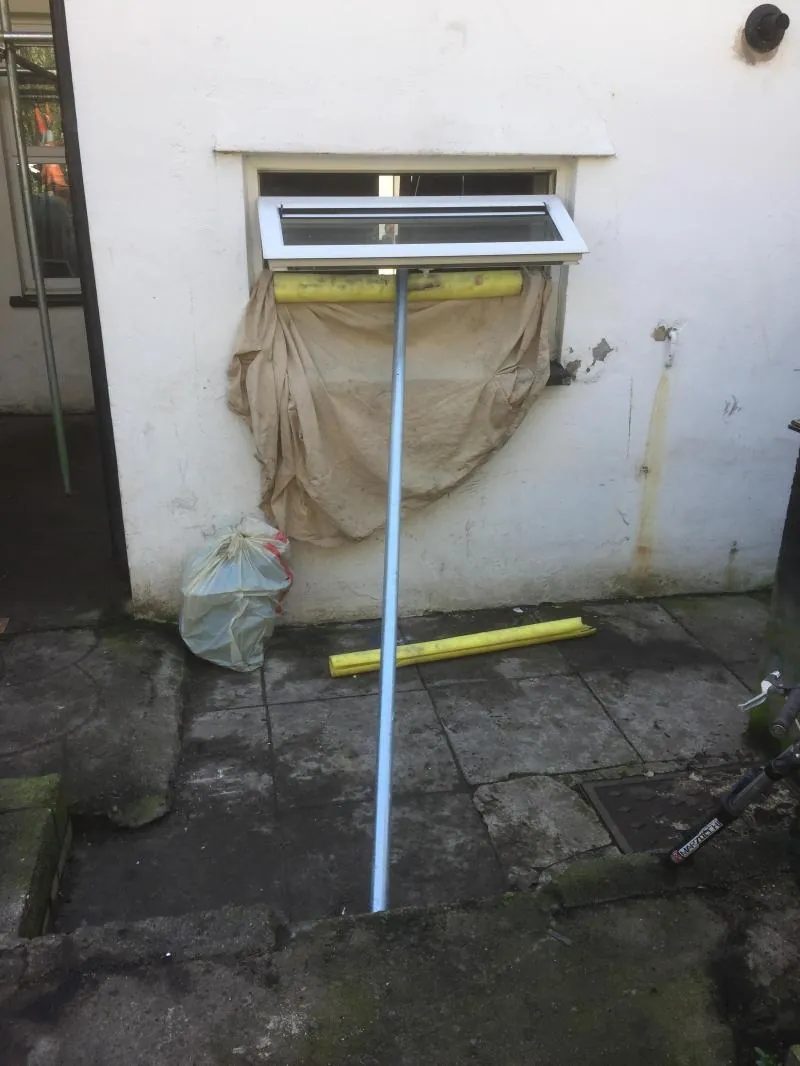
 Domestic Scaffolding
 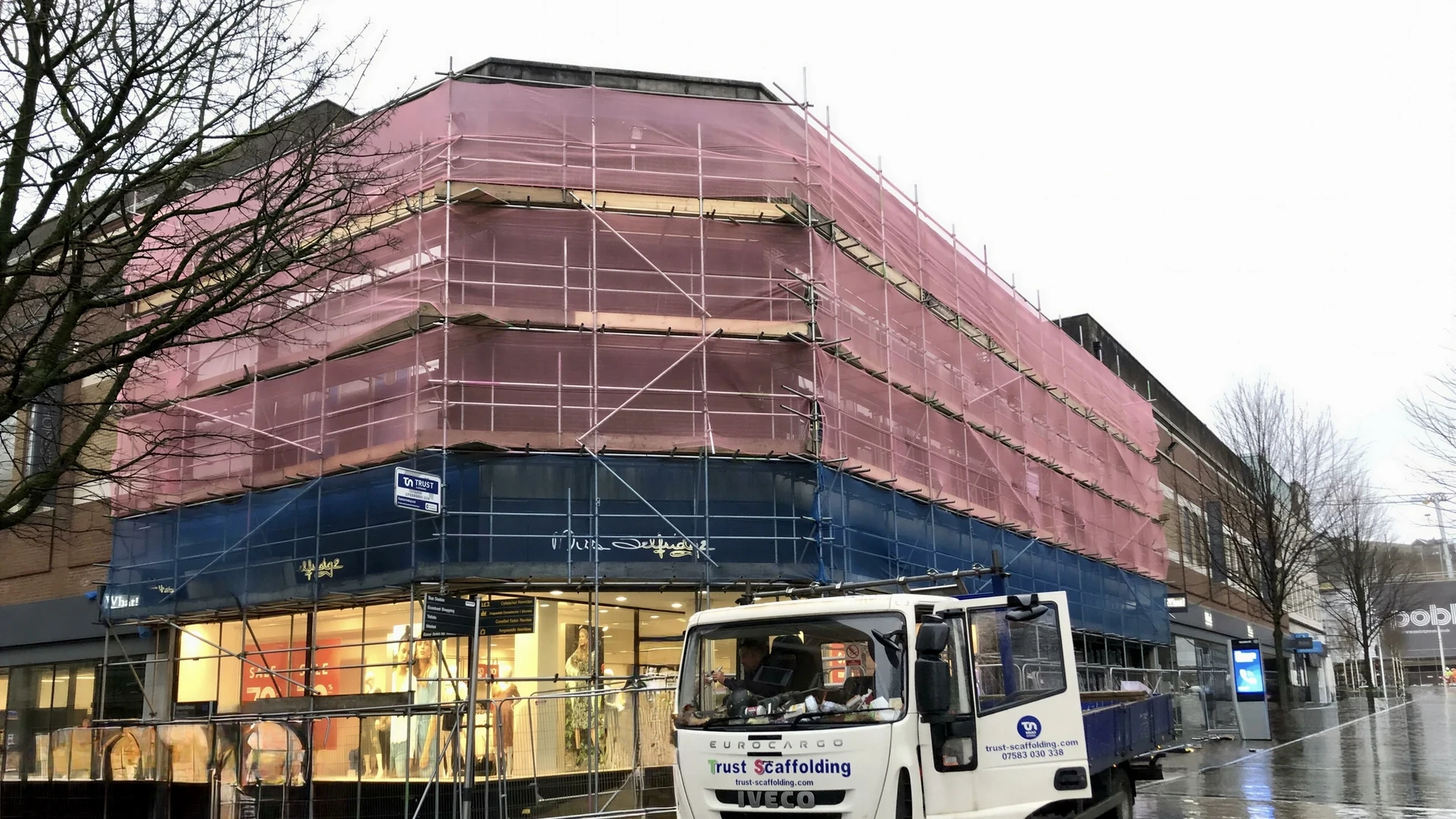 Commercial Scaffolding
 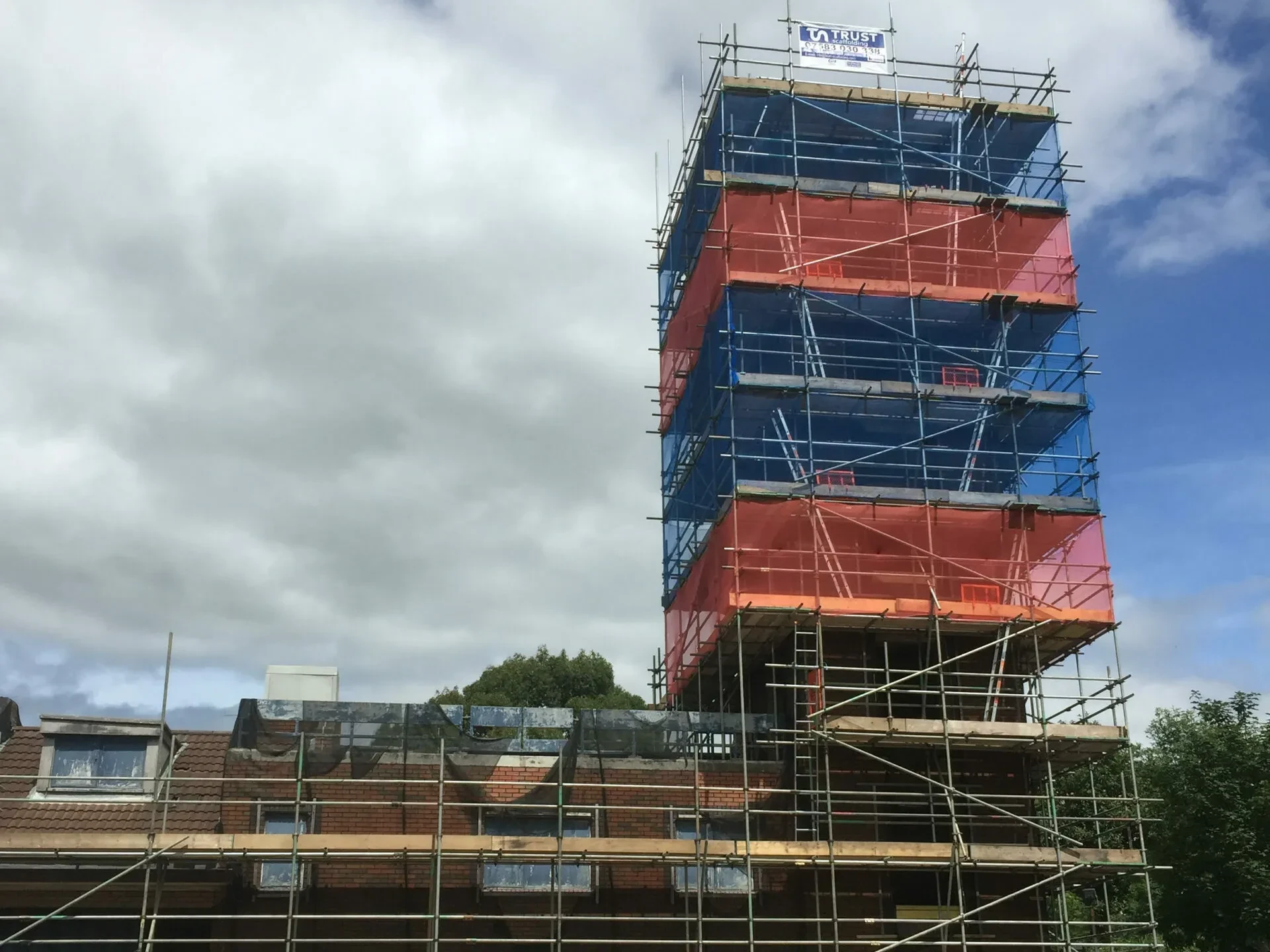 Industrial Scaffolding
 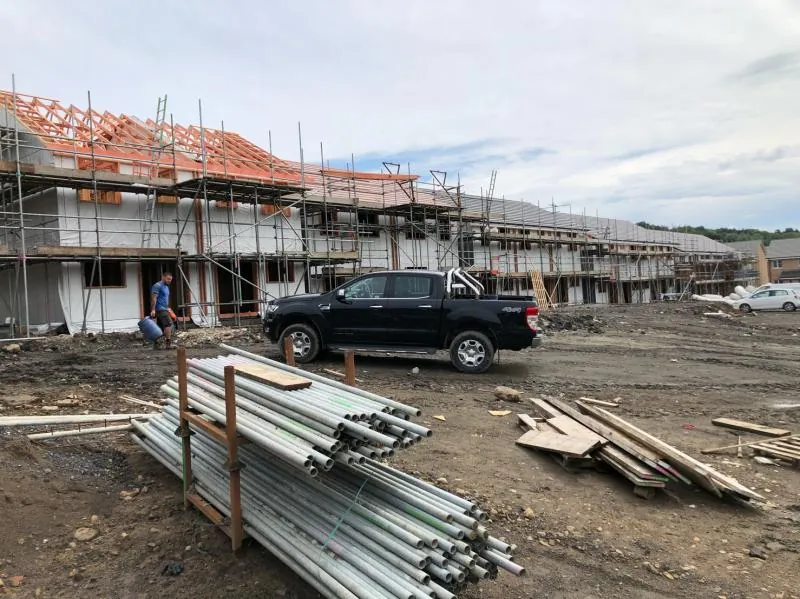 New Build Scaffolding
 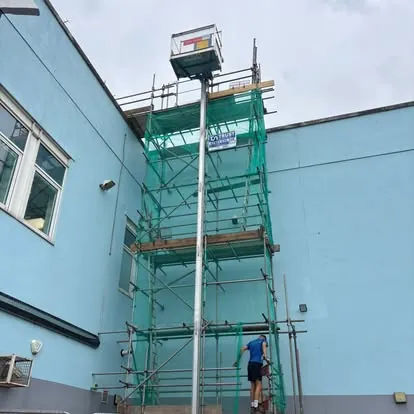 Access Towers
 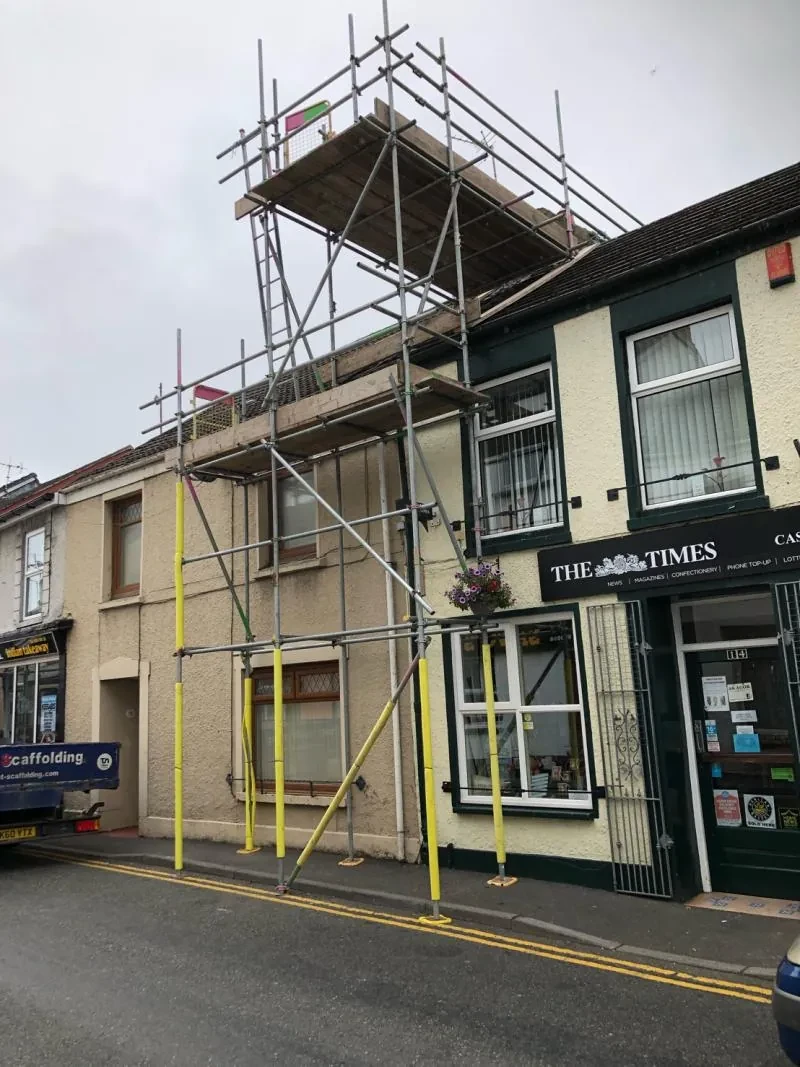 Chimney Scaffolding
 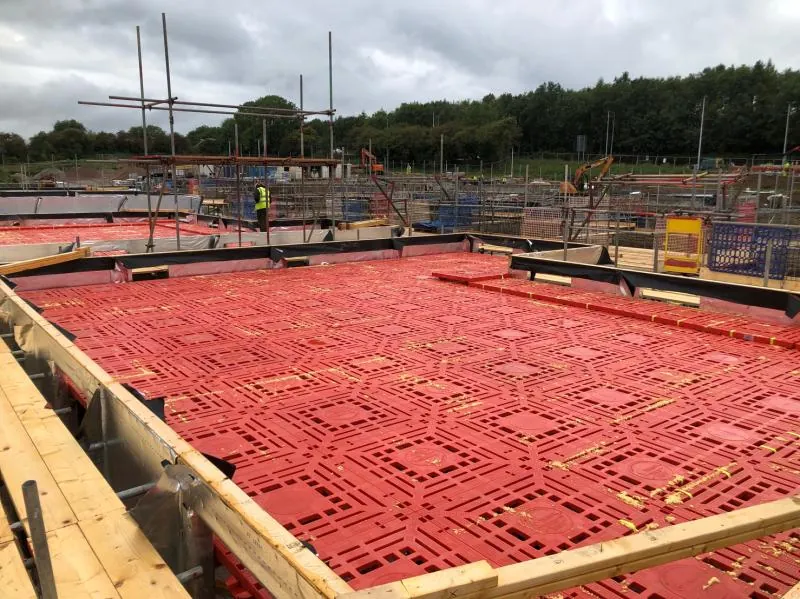 Interior Scaffolding
 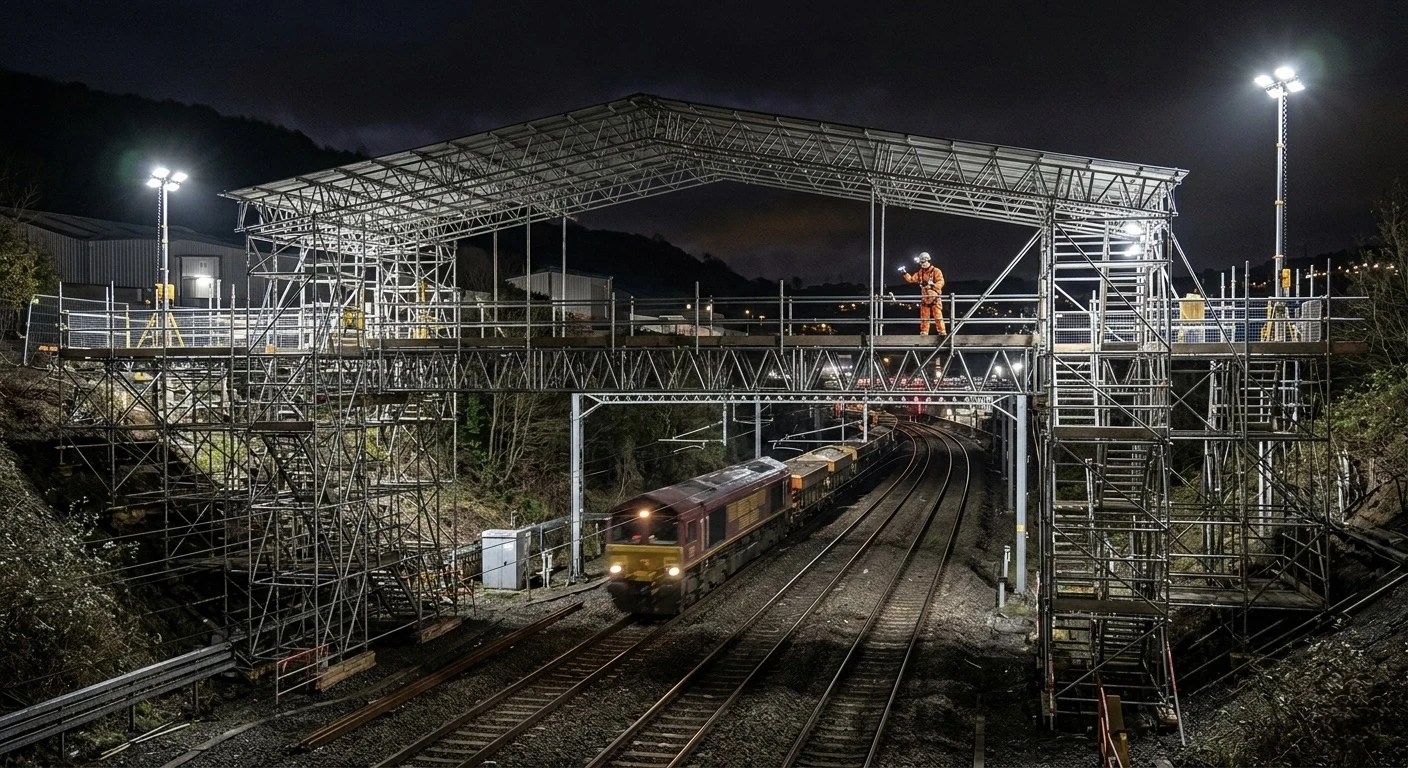 Rail Scaffolding
 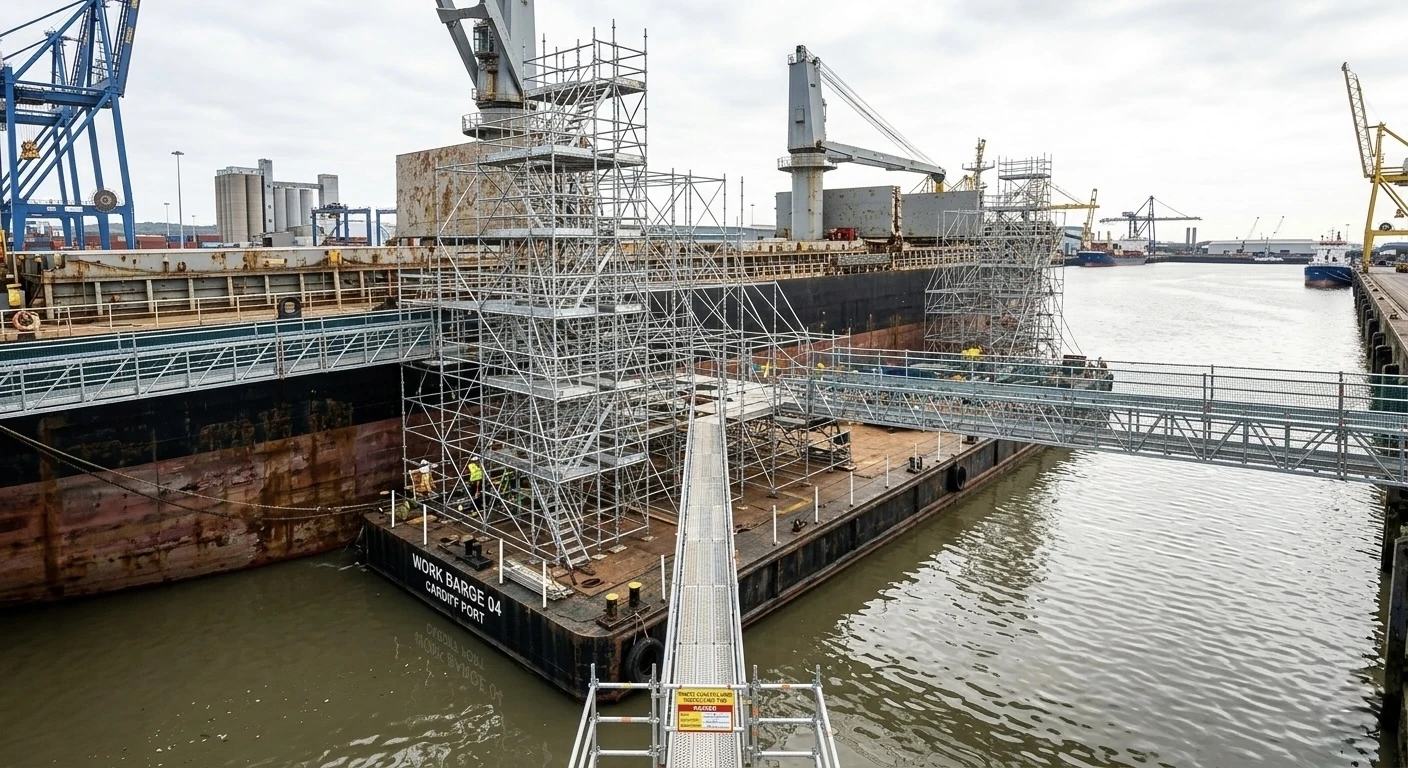 Marine Scaffolding
 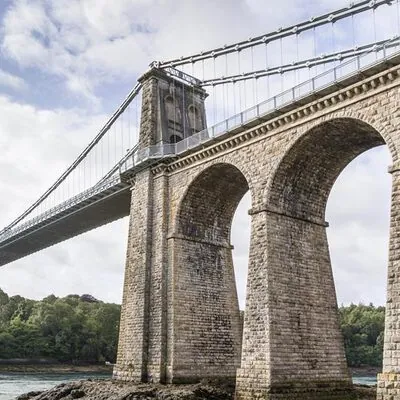 Bridge Scaffolding
  Heritage Scaffolding
 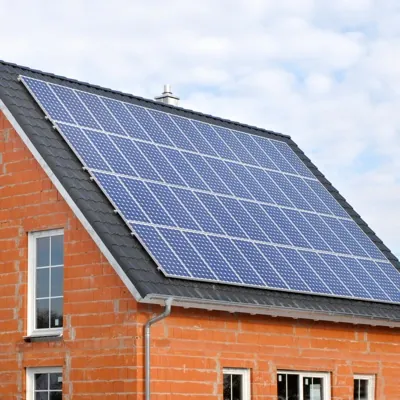 Solar Panel Scaffolding
 Swansea
  Port Talbot
  Neath
Neath  Llanelli
  Carmarthen
  Ammanford
  Haverfordwest
 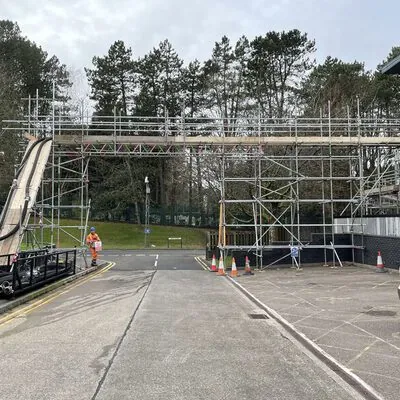 Pembroke Dock
  Cardiff
  Newport
  Bridgend
  Pontypridd
  Merthyr Tydfil
  The Valleys
  Caerphilly
  Bristol
  Avonmouth
  Bath
Bath  Weston-super-Mare
 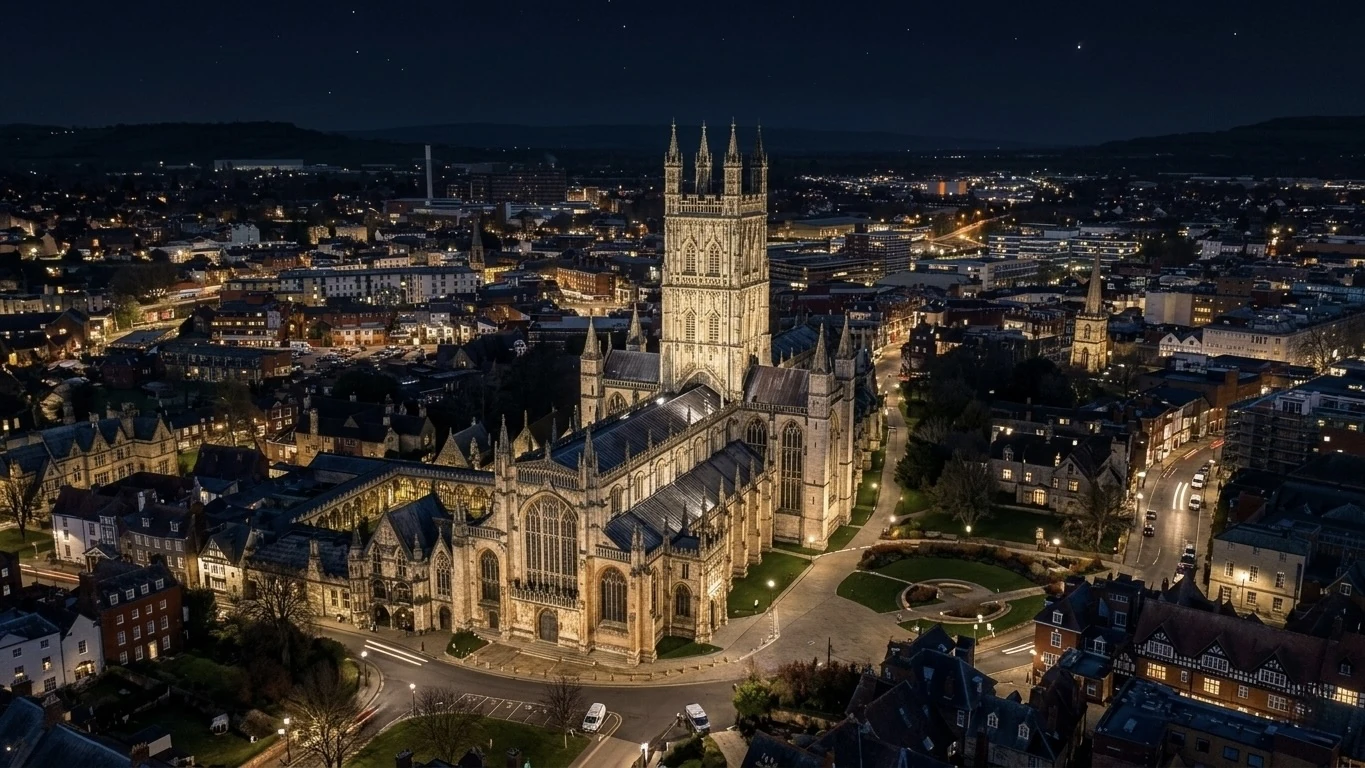 Gloucester
  Cheltenham
 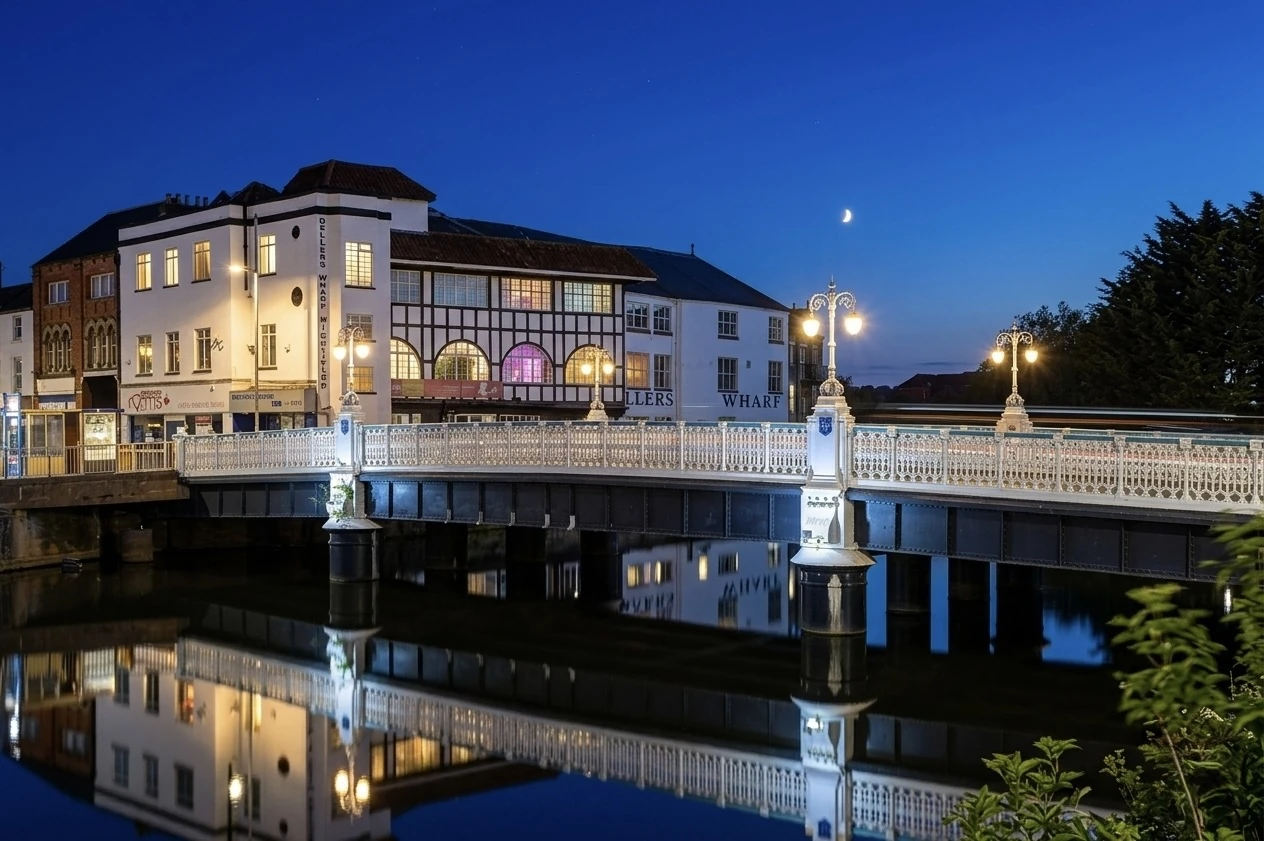 Taunton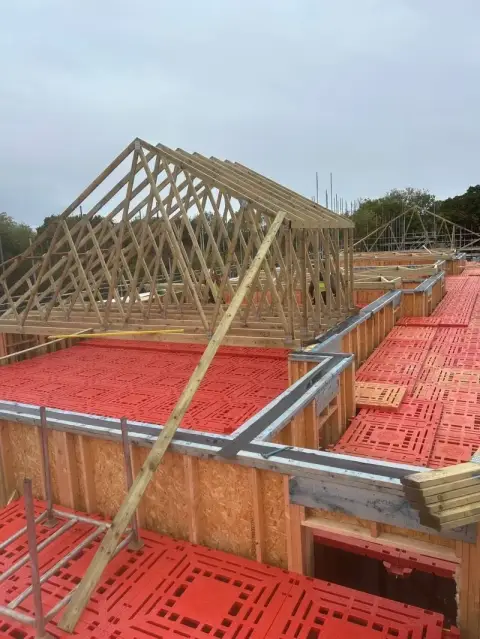
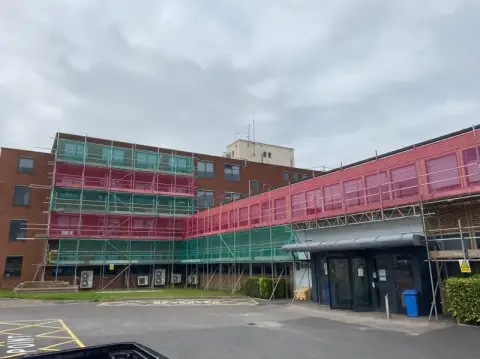


Marine Scaffolding
Corrosion-resistant. Tidal-engineered. Fully NASC audited. Trust Scaffolding delivers specialist marine scaffolding for port authorities, shipyards, and marine engineering firms across South Wales — quayside access rigs, ship-to-shore platforms, suspended gantries over dock walls, and cantilevered decks for hull repair from Swansea Marina to Cardiff Bay and Newport Docks. Call 07583 030 338 to discuss your coastal project.

Marine Scaffolding Services in South Wales
Marine scaffolding provides specialist access for any work over or beside water — from docks, shipyards and piers to sea walls, bridge spans and coastal structures. Trust Scaffolding has over 15 years' experience serving Cardiff, Swansea and the wider South Wales region with corrosion-resistant scaffolds engineered for tidal shifts, saltwater and harsh weather. As an NASC audited contractor, we deliver dependable, secure scaffold systems tailored for the marine environment.
Last updated: March 2026
Key Takeaways
- NASC audited contractor with 15+ years' marine scaffolding experience
- Corrosion-resistant galvanised components engineered for saltwater and tidal shifts
- Suspended cradles, floating pontoons, cantilever decks and shrink-wrap enclosures
- Shipyard, dry dock, pier, sea wall and coastal defence scaffolding specialists
- 24/7 rapid-response call-out for urgent marine repairs
- Covers Cardiff Bay, Swansea, Newport, Port Talbot, Milford Haven and beyond
Trust Scaffolding's expertise in marine environments means we understand the extra factors at play. Working near water introduces hazards and constraints beyond normal scaffolding. Our systems are engineered for tidal shifts and high winds; we use galvanised, non-corrosive components and robust fixings to resist saltwater and storms. All our scaffolds comply with industry best-practice (TG20:13) and NASC safety guidance, and our crews are trained in harbour safety and cold-water survival. We survey the site, custom-design the scaffold, install it with stringent safety checks, and dismantle it cleanly once work is done — even handling emergency call-outs for urgent repairs.
Harsh Environment Expertise: Why Marine Clients Choose Trust Scaffolding
- Corrosion-Resistant ComponentsAll marine scaffolds use hot-dip galvanised tube, fittings, and boards rated for prolonged saltwater exposure. No untreated steel enters a marine site — protecting your asset and your programme.
- Tidal-Responsive EngineeringScaffolds are designed with flexible tie-ins, adjustable base plates, and floating pontoon options so structures remain stable and level through the full tidal range — high water to low water.
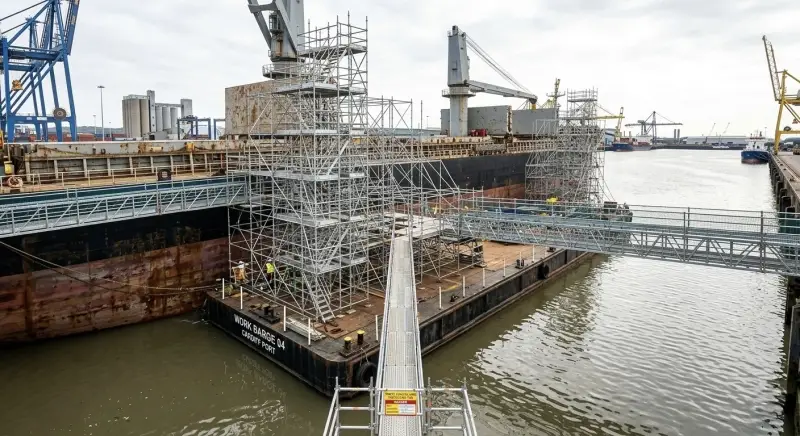
- Quayside & Ship-to-Shore AccessWe build dock-wall mounted platforms, quayside access rigs, and ship-to-shore bridging structures connecting vessel to berth — designed to the exact freeboard and draft of the vessel.
- Suspended Gantries Over WaterWhere no deck or ground support exists, we engineer cantilevered platforms and suspended gantries anchored to dock walls, piers, or bridge abutments to provide safe working access directly over open water.
What Is Marine Scaffolding?
Marine scaffolding is any scaffold built to provide safe access for work on or above water. Typical uses include maintenance and construction at harbours, docks and marinas, shipyards and dry docks, piers and jetty structures, sea walls and flood defences, and tidal bridges. We erect scaffolds around ship hulls for repairs or painting, under bridges spanning rivers or estuaries, and along coastal structures needing inspection. Marine projects often involve working in the water or in tidal zones, so the scaffold might extend down to a pontoon or include hanging/staging platforms. We can also combine scaffolding with boats or floating pontoons to reach otherwise inaccessible areas.
How Marine Scaffolding Differs from Conventional Scaffolding
The marine environment adds special demands. Saltwater rapidly corrodes untreated steel, tides cause changing load angles, and weather is far more variable than on land. A scaffold over water must accommodate rising and falling water levels — using flexible tie-ins or floating foundations — and often needs greater anchorage for wind loading. We use galvanised, corrosion-resistant materials and heavy-duty fixings to ensure long-term stability. Safety requirements are also stricter: scaffolds must include fall-arrest systems and life-saving equipment because a slip could mean falling into water. The NASC emphasises precautions like buoys, rescue reels and lifejackets when working over water. Our marine scaffolds have fully boarded platforms, guardrails with lifelines, and attachment points for personal flotation devices.
Types of Marine Scaffolding
- Suspended Platforms (Cradles & Swing Stages) — For work under bridges, jetties or ship hulls. Fully equipped with harness anchorages and guardrails for fall protection.
- Floating/Pontoon Scaffolds — Scaffold decks on floating pontoons or barges for use in water. Modular systems create certified floating platforms that operate in shallow water and can be raised or lowered for tides.
- Cantilever & Beam Bridges — Cantilever scaffolds anchored to walls or columns extending out over water, and scaffold-supported gantries spanning gaps where there is no ground support.
- Shrink-Wrap & Weatherproof Enclosures — Heat-shrink plastic sheeting to fully encapsulate the scaffold for painting or over-wintering, plus monarflex debris netting and waterproof sheeting for spray and material protection.
- Access Towers & Stair Units — Mast-climbing platforms, birdcage scaffolds around pier posts, stair towers and personnel hoists adapted for marine conditions.
Typical Marine Scaffolding Projects
- Shipyard & Dry Dock Work — Hull inspections, ship repairs, maintenance and new-build support. Platforms around hulls, superstructures, masts and engine areas.
- Marina & Pier Maintenance — Repairing or repainting jetty piles, pleasure-boat berths and marina pontoons using pullover pontoons or anchored barges.
- Bridge & Dockside Refurbishment — Inspection and repair of bridge decks and abutments over rivers or ports, including road and railway bridges crossing the Severn estuary and River Usk.
- Coastal Flood Defences & Sea Walls — Stabilisation, inspection and rebuilding of sea walls, tidal surge barriers and locks, designed for use above and below the high-water line.
- Offshore & Energy Projects — Access platforms for repair or installation on offshore platforms, wave energy test rigs or wind turbine foundations at shore-side locations.
- Marina Refit & Maintenance — Routine servicing of vessels, storage sheds, breakwaters and pilings in local harbours (Cardiff Bay, Swansea Marina, Port Talbot docks).
Environmental & Safety Challenges
Working over water is inherently risky. The main hazards include falls into water, slips and trips on wet surfaces, cold shock/hypothermia, submerged hazards and passing vessels. NASC guidance lists falling into water and drowning and vessel traffic among the key hazards. We enforce strict fall protection: all platforms have guardrails, many workers wear harnesses with lifelines, and sites are equipped with lifejackets and throw-lines. Workers use slip-resistant safety boots and tool tethers, and we avoid open handrails wherever possible. We constantly monitor weather and tidal forecasts and adapt operations as conditions change.
Safety Certifications & PPE
Trust Scaffolding is an NASC audited contractor holding the highest accreditation. All scaffolding is designed and inspected in accordance with TG20:13 guidance and UK Work at Height Regulations. Our personnel hold CISRS scaffolder cards and are trained in scaffold inspection plus site-specific courses. On every marine project, crews use industry-standard PPE plus marine-specific gear: safety harnesses clipped to fixed anchor points, personal buoyancy aids (lifejackets), warm insulating clothing, tool lanyards and chin straps on helmets. We supply rescue equipment — lifebuoys, throw ropes, inertia-reel rescue lines — on site and rehearse emergency drills.
Pollution Prevention & Zero Environmental Impact
For Port Managers and Environment Agency stakeholders, zero contamination of the waterway is non-negotiable. Trust Scaffolding deploys purpose-fitted debris netting and bunded catch platforms beneath every marine scaffold to prevent any tool, material, or waste from entering the water. Debris chutes route arisings directly to shore-side skips; spill-containment aprons are fitted under work areas involving coatings or blasting. All plant and materials used on marine sites are selected for environmental suitability — no untreated steel, no hydrocarbon-based lubricants over open water. Our NASC Audited status and documented environmental method statements give Port Authorities confidence that Trust Scaffolding operates to the same environmental standard as the marine engineering firms we support. Call 07583 030 338 to discuss environmental requirements for your project.
Dockside Scaffolding & Ship Repair Access: Marine Engineering Scaffolding South Wales
Trust Scaffolding is the marine engineering scaffolding contractor Port Authorities across South Wales call for dockside scaffolding, ship repair access, and quayside access rigs. Port Authority approved contractors require documented NASC accreditation, environmental method statements, and marine-specific PPE compliance — all of which we provide as standard. We have delivered marine scaffolding across Cardiff Bay, Swansea Docks, Barry Docks, Port Talbot, and the smaller marinas of Milford Haven, with 15+ years of local tidal knowledge and strong relationships with harbour masters.
Coastal Infrastructure Maintenance & Quayside Access Rigs: South Wales Specialists
Coastal infrastructure maintenance — sea walls, tidal flood defences, pier structures, and estuarial bridge abutments — demands a scaffold contractor who understands saltwater corrosion, tidal loading, and environmental constraints. Trust Scaffolding brings corrosion-resistant components, tidal-adjusted designs, and NASC-certified marine crews to every coastal project. Whether you need a quayside access rig for a dry dock inspection, a ship-to-shore bridging platform, or a cantilevered hull-repair deck, we design, engineer, and deliver it. Call 07583 030 338 or submit a project enquiry to get Trust Scaffolding on your approved contractor list.
Marine Scaffolding Services
- Short & long-term marine scaffold hire
- Suspended cradles & cantilever deck access
- Floating scaffold & pontoon platforms
- Shore-based scaffolds for docks & sea walls
- Shrink-wrap & weatherproof enclosures
- Corrosion-resistant galvanised components
- Safety decking & catch platforms
- Safety nets, lifelines & rescue equipment
- Rapid deployment & emergency call-out
- Full design, engineering & tidal calculations
Marine Scaffolding FAQs
What safety regulations apply to marine scaffolding?
We follow all UK Work at Height Regulations and NASC guidelines (e.g. NASC SG42 for working over water). This means thorough risk assessments, method statements and emergency rescue plans. Our sites include lifelines, lifejackets, harness attachment points and rescue equipment at hand.
What certifications and training do your teams have?
All Trust Scaffolding operatives hold current CISRS cards (Scaffolder, Advanced Scaffolder, Inspector). We are NASC Audited Contractors — the gold standard accreditation in our industry — and comply with TG20:13 design guidance. For marine work, crew members complete additional safety courses including Working at Height in Marine Environments and first aid.
What PPE is used on water-based scaffolds?
In addition to standard PPE (helmets, hi-vis, gloves, safety boots), our teams use marine-specific equipment. NASC recommends anyone working over water wear warm insulating clothing, an appropriate life jacket and a safety harness. We enforce life jacket use on any platform where there is a risk of falling into water. Workers always wear harnesses on suspended or high scaffolds, tethering to strong anchors.
How are tides and weather managed?
We plan projects around tidal windows and weather forecasts. Major lifts are done at low tide with cranes or barges ready. Floating scaffolds (pontoons) can be lowered or raised to follow the tide. We maintain communication with harbour control and towboat operators to avoid conflicts with shipping. If high winds or storms are predicted, we secure or dismantle vulnerable sections.
What if an emergency occurs — e.g. someone falls into the water?
We have robust emergency procedures. We keep life-saving equipment — lifebuoys, throw-lines, rescue poles — within reach of any work area. We conduct regular rescue drills. Should a worker fall in, personnel are trained to use harness rescue reels and lifebuoys. We also coordinate with local coastguard or port rescue services as needed. Every project includes a detailed rescue plan as recommended by NASC.
Do you provide 24/7 or emergency scaffolding services?
Yes. We understand that marine repairs — hull damage, flood defence breach — can be urgent. Trust Scaffolding offers rapid-response call-outs around the clock. Our mobile teams can reach most South Wales ports quickly, and we keep key safety gear and pre-fabricated components on standby for immediate deployment.
What areas and ports do you cover?
We cover all of South Wales and into the West Wales coast. Our work is concentrated in major ports — Cardiff, Swansea, Newport, Milford Haven, Port Talbot — as well as smaller harbours and marinas. We also operate on inland waterways, from the Bristol Channel up the River Usk to Chepstow.
How long does marine scaffolding take to install?
Installation times depend on scope. A typical small project (e.g. scaffold around a yacht mast) might be erected in a day or two; a large bridge span could take weeks. We use floating platforms to assemble at the water's edge then move into position, speeding the process. We always provide a detailed programme and logistics plan before work begins.
What about environmental regulations?
Trust Scaffolding follows strict environmental practices. We use recyclable scaffold materials and eco-friendly coatings, minimising any risk of contamination. During work we ensure no debris falls into the water — catch-boards and debris chutes are fitted — and any waste is collected and disposed of properly. We can work within spill-control booms or other protective measures when required.
Still have questions? Get in touch with our team — we're happy to help.
Accredited By
Being a member of The Scaffolding Association as Audited Contractors is but one of many accreditations and certifications that we hold.