 Domestic Scaffolding
 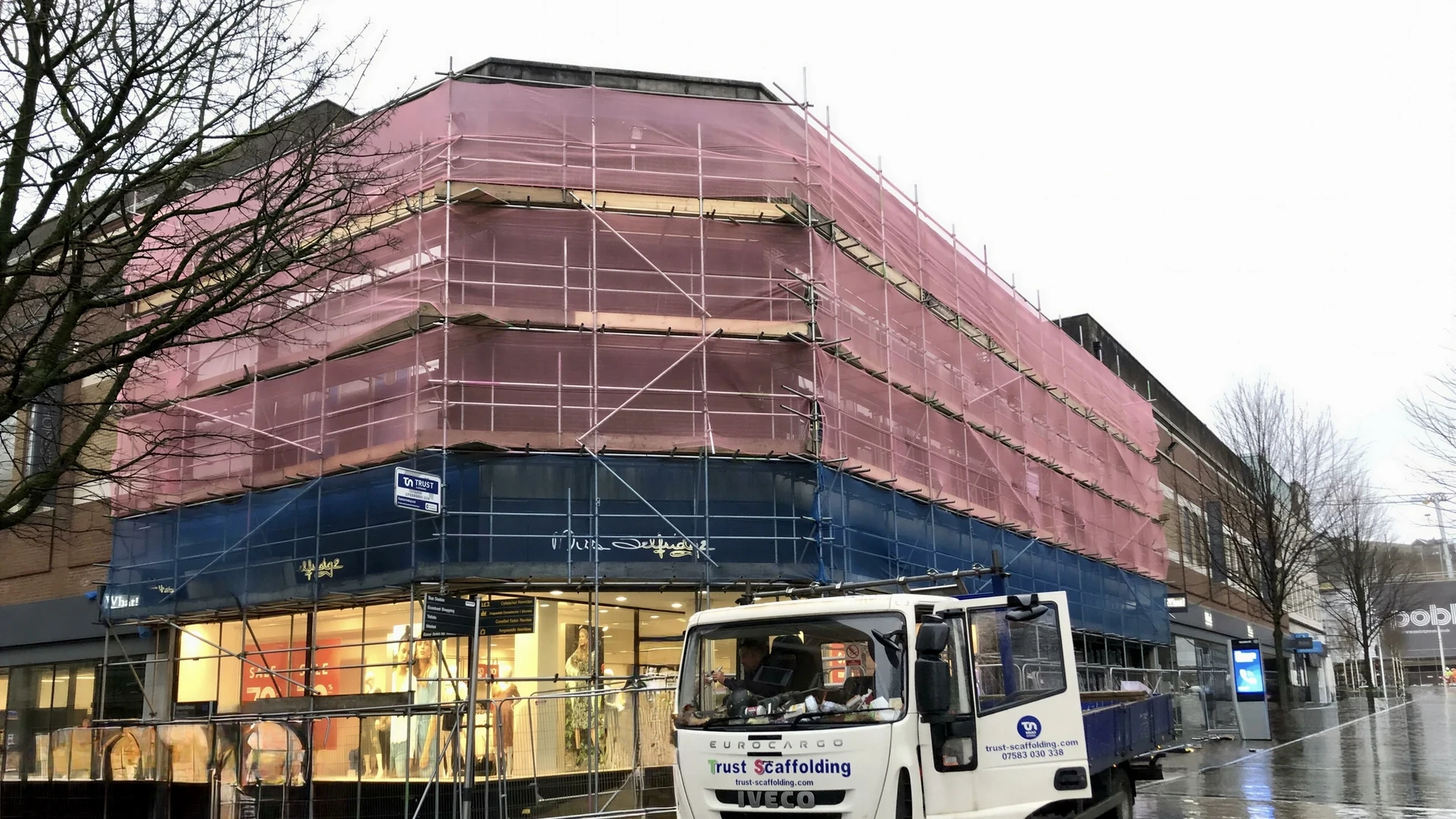 Commercial Scaffolding
 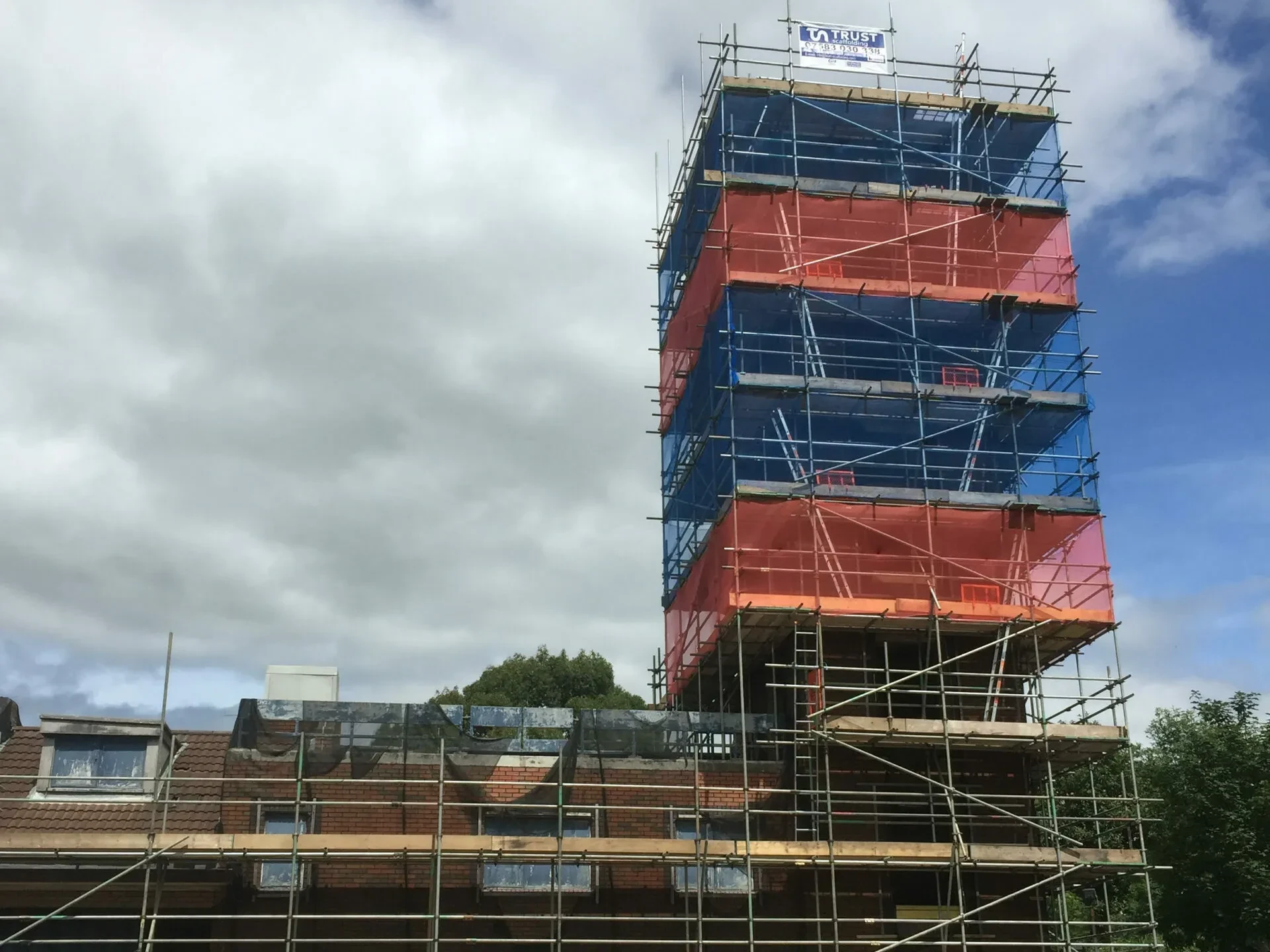 Industrial Scaffolding
 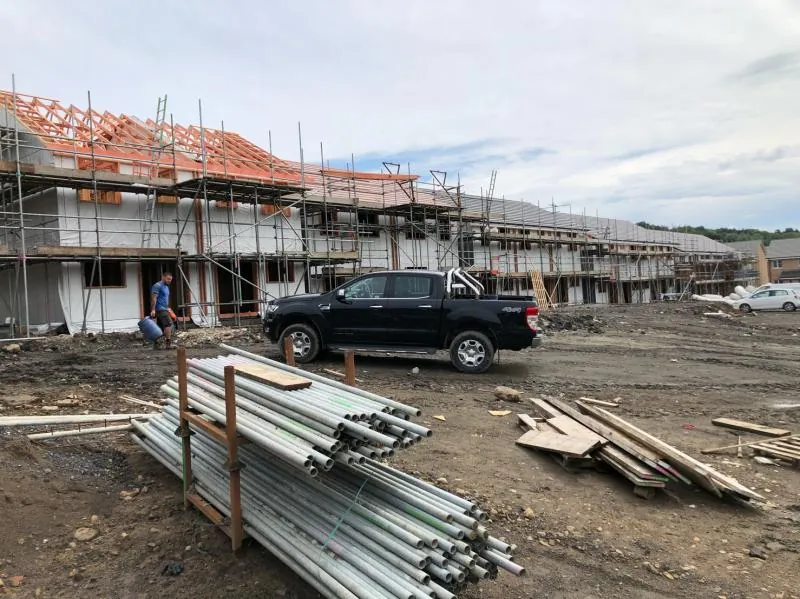 New Build Scaffolding
 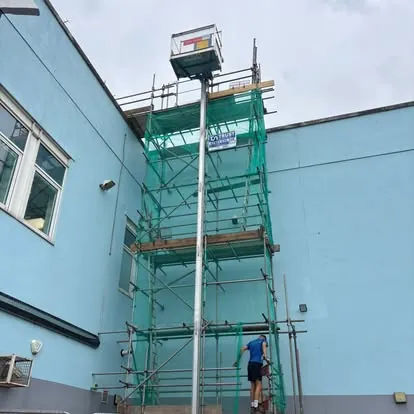 Access Towers
 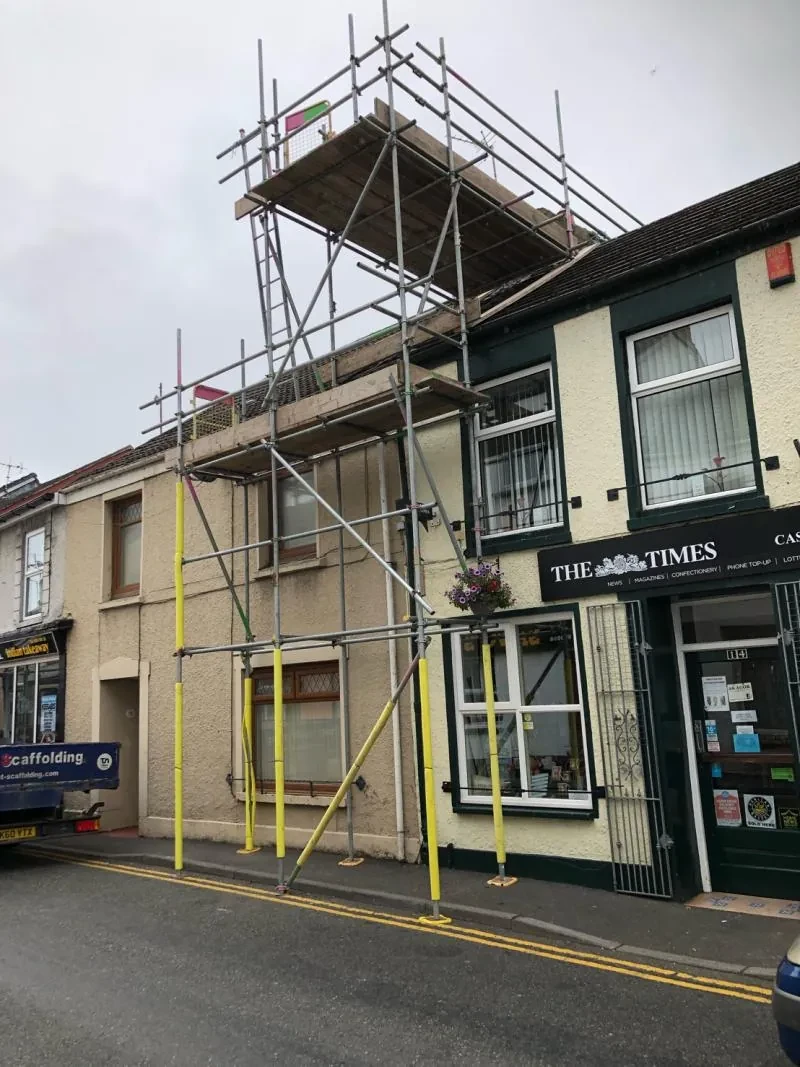 Chimney Scaffolding
 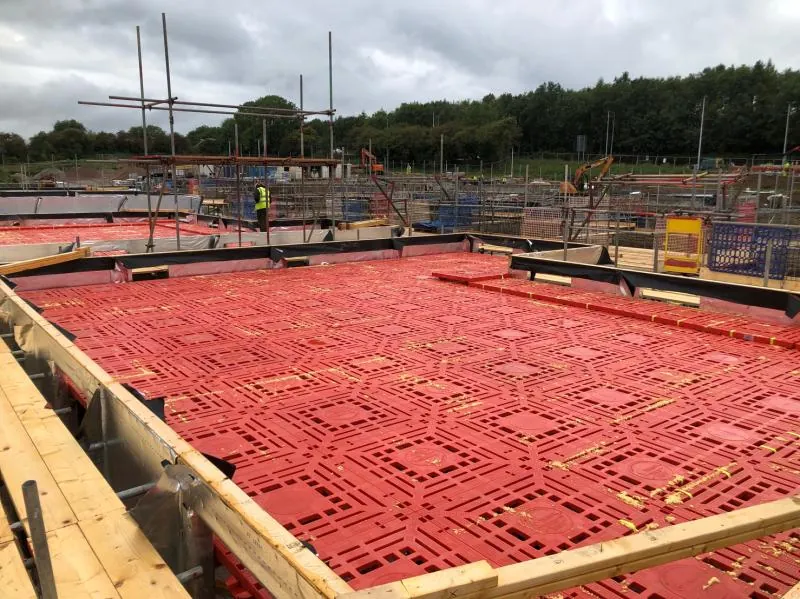 Interior Scaffolding
 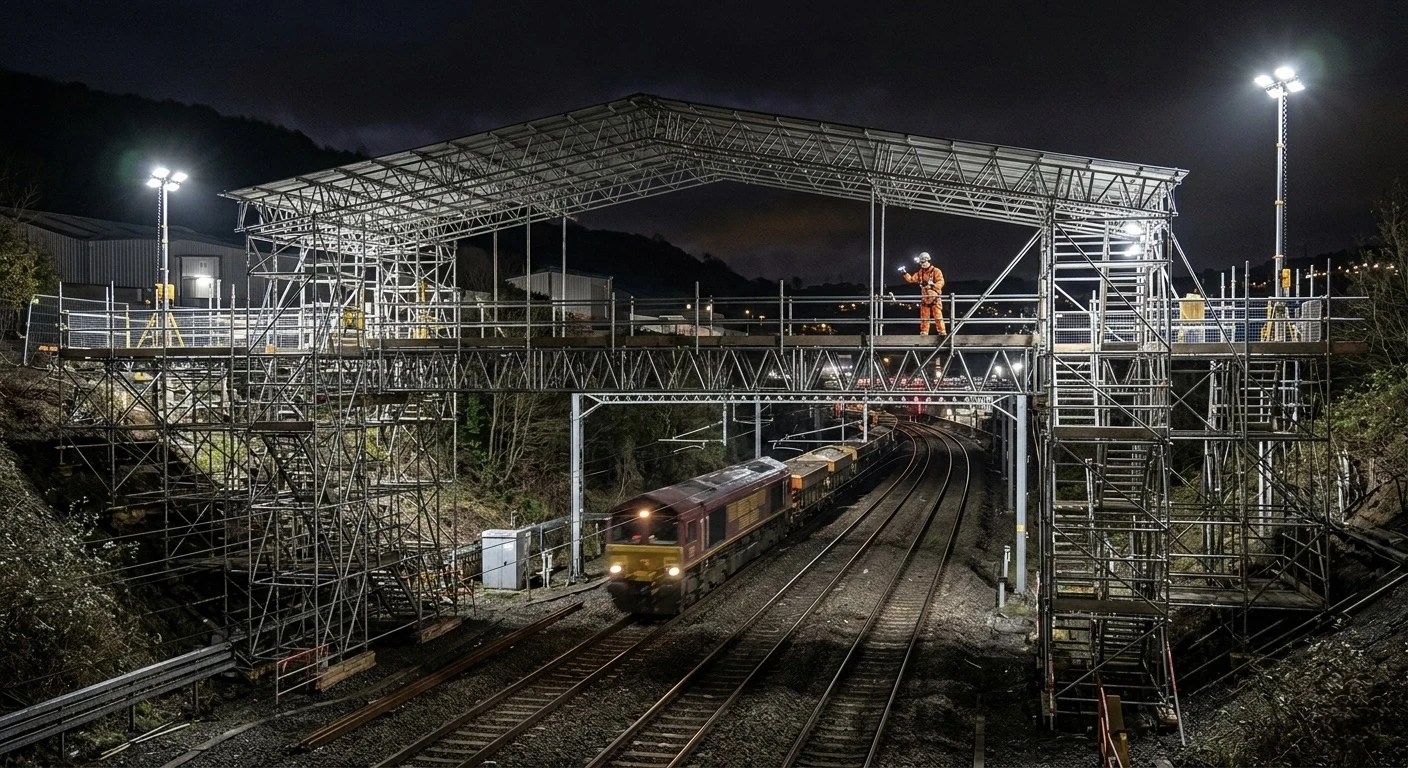 Rail Scaffolding
 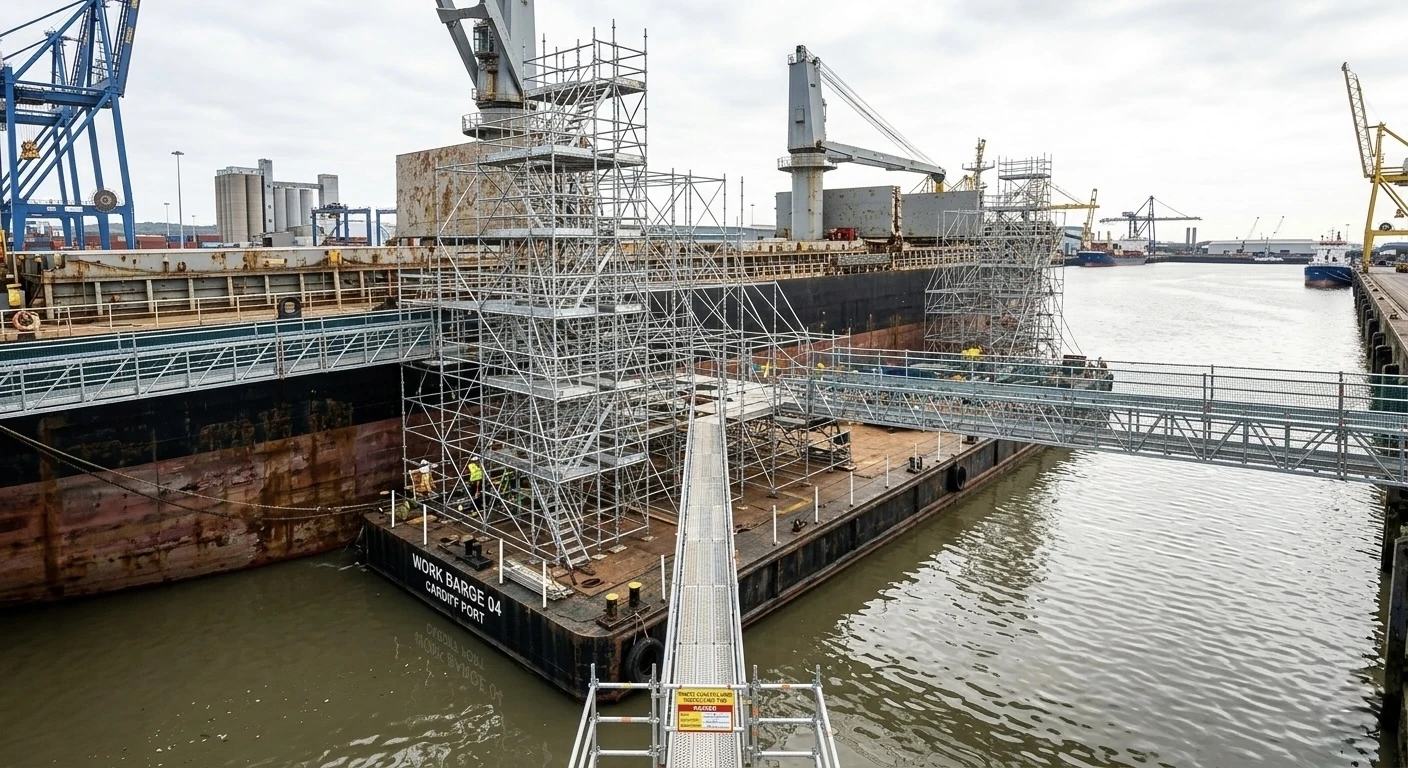 Marine Scaffolding
 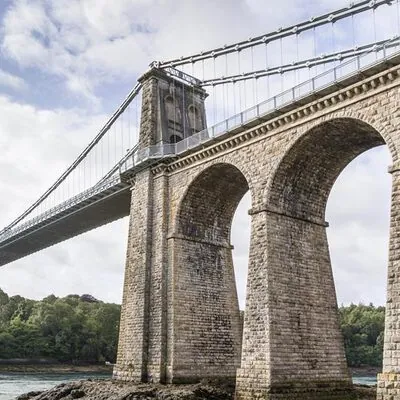 Bridge Scaffolding
  Heritage Scaffolding
 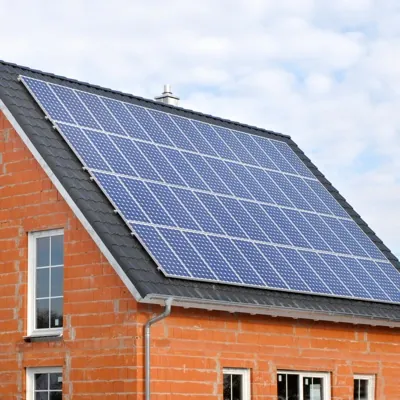 Solar Panel Scaffolding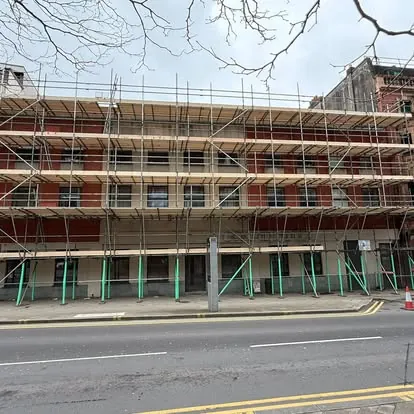
 Swansea
  Port Talbot
  Neath
Neath  Llanelli
  Carmarthen
  Ammanford
  Haverfordwest
 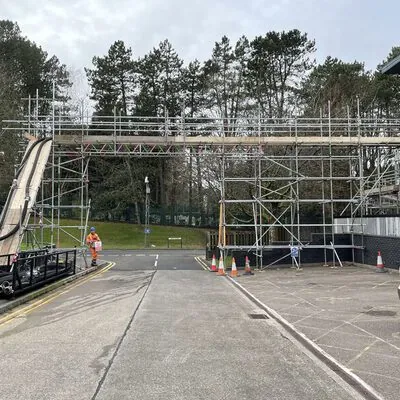 Pembroke Dock
  Cardiff
  Newport
  Bridgend
  Pontypridd
  Merthyr Tydfil
  The Valleys
  Caerphilly
  Bristol
  Avonmouth
  Bath
Bath  Weston-super-Mare
  Gloucester
  Cheltenham
  Taunton


Safety Netting
FASET-accredited installers. BS EN 1263-1 & 2 certified nets. Every net pre-inspected, tagged, and UV-tested before it leaves our yard. Trust Scaffolding delivers personnel safety netting, debris catching nets, and industrial netting hire across Cardiff, Swansea, Neath, and the whole of South Wales — the passive, collective fall prevention that Tier 1 contractors demand.

Safety Netting Supply & Installation in South Wales
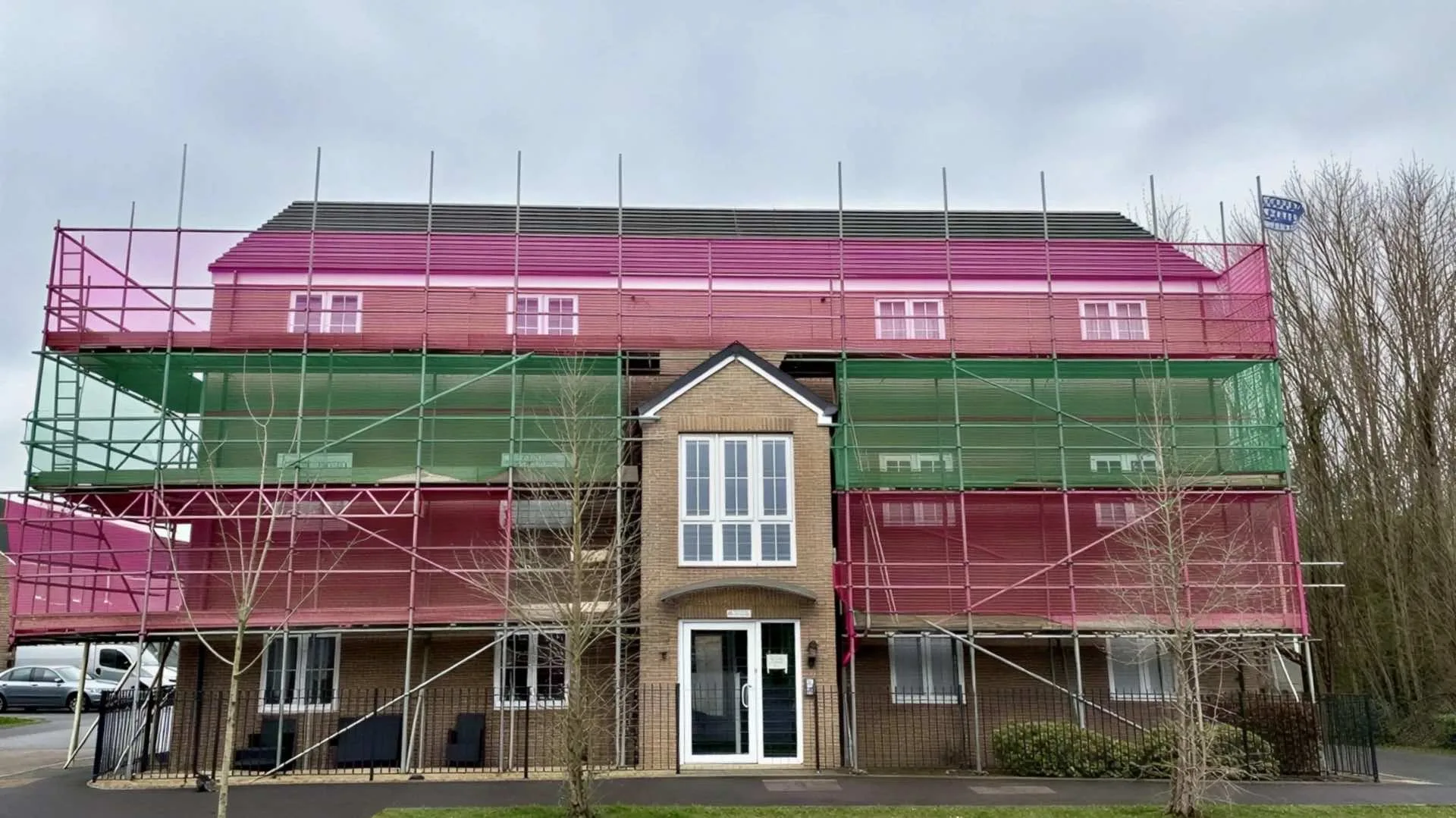
Safety netting (or debris netting) is a flexible mesh barrier installed around or under scaffolding to catch falling objects — and even people — on construction sites. Certified to BS EN 1263, it provides passive collective protection: once installed, every person in the area is safeguarded without needing individual harnesses or restraint systems.
Last updated: March 2026
Key Takeaways
- BS EN 1263-1 & EN 1263-2 certified safety netting across South Wales
- Passive collective protection — no individual harnesses needed
- Fall arrest, debris containment & environmental control in one system
- Integrated packages with scaffolding, edge protection & T-Deck
- 15+ years' local experience — Cardiff, Swansea, Newport, Bridgend & beyond
- Optional add-ons: debris mesh, brickguards, net fans & vertical nets
Safety netting is a critical safety component that protects workers and the public from tools, materials, or debris slipping from height. Modern UK regulations (Work at Height Regulations 2005 and CDM) require thorough planning and risk assessment of any scaffolding — where falls or falling debris cannot be completely prevented, safety nets are an essential backup. HSE guidance notes that nets can be used as leading-edge protection to mitigate the consequences of a fall. Trust Scaffolding has supplied safety netting on countless projects across Cardiff, Swansea, Newport, Neath, and Bridgend, always following this approach.
FASET Authority & Safety Net Integrity: Our Standard
- FASET-Trained TechniciansEvery net on every Trust Scaffolding site is installed by FASET-accredited operatives — the binary pass/fail standard for Tier 1 contractors and CDM principal contractors.
- Annual UV & Strength TestingEvery net is UV-tested and mesh-strength-verified annually to BS EN 1263-1. Nets approaching their certified service life are withdrawn and replaced — no exceptions.
- Pre-Use Site InspectionVisual inspection carried out by our team before every install. Net condition, attachment points, and edge-rope integrity checked and recorded against the net's unique ID tag.
- Tagged TraceabilityEvery net features a unique ID tag — manufacturer cert, test date, last inspection, and assigned site — providing the audit trail required by CDM duty holders and HSE inspectors.
Benefits for Workers and Property
- Fall Protection: Nets absorb the impact if a worker slips, effectively stopping a fall. They deform to reduce the force on the person. While not a substitute for guardrails or harnesses, nets provide a crucial safety net when a fall risk remains. BS EN 1263-1 requires nets to protect workers and reduce the risk of fatal falls by setting strict load, mesh, and anchorage standards.
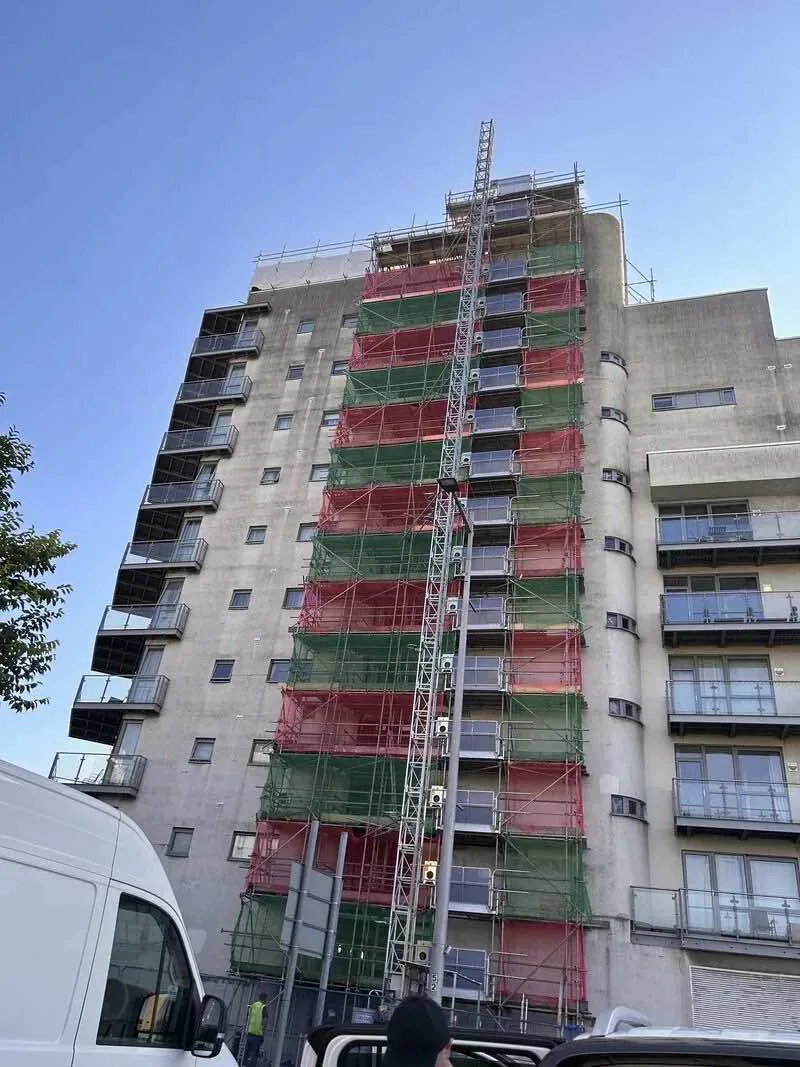
- Debris Containment: Nets catch tools, bricks, timber offcuts, and other falling debris — safeguarding other workers on the scaffold and people or property below. Safety Net Fans (hinged net panels) are used on city-centre high-rises so that shops, roads, and pedestrians can stay open, absorbing and containing falling objects in compliance with EN 1263.
- Environmental and Comfort Control: Nets also act as windbreaks or dust screens. Typical polyethylene netting reduces wind loads on scaffolds and contains dust, providing environmental control as a barrier against wind and debris — making the site safer and more comfortable, especially in exposed locations.
- Site Safety Culture: Using nets demonstrates a commitment to safety. NASC and HSE both view netting as part of a safe system of work. HSE recognises nets as one of the best tools to protect people working at height when falls can't be prevented by other means. By installing certified nets and inspecting them regularly, we help clients meet their legal duties and avoid stoppages or penalties.
Key Applications
Safety netting is versatile and used in many common scenarios:
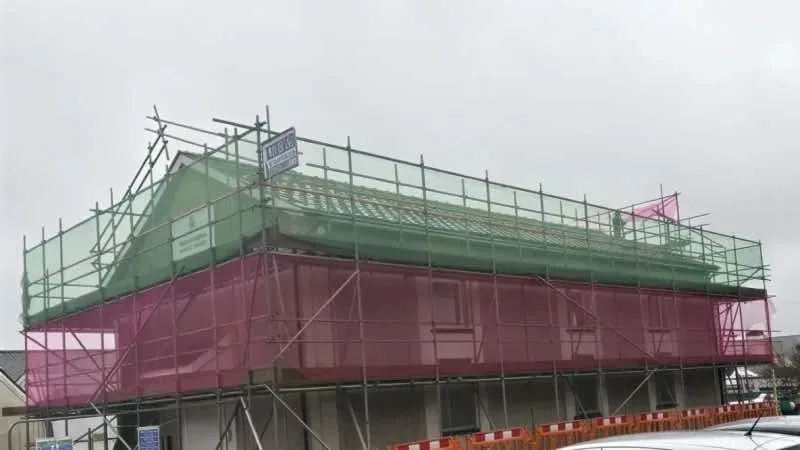
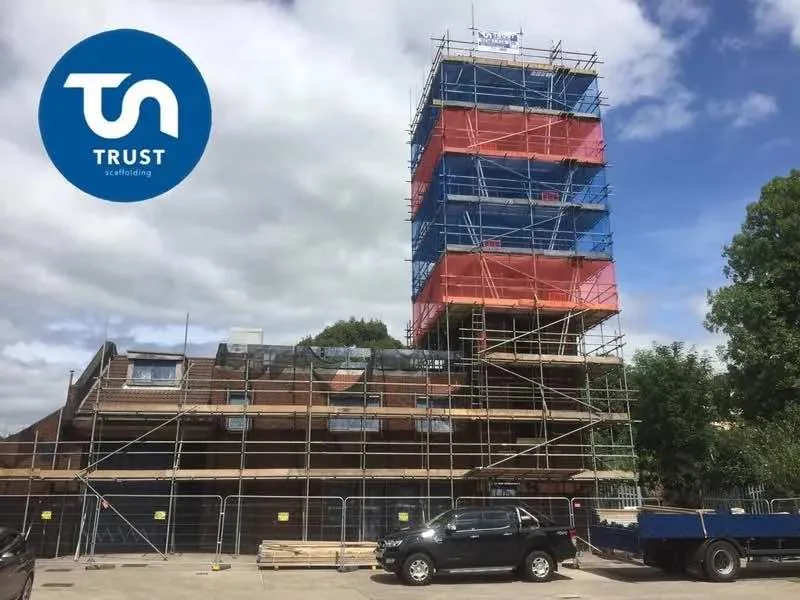
- Housebuilding & Roofing: On new houses or roof repairs, nets are rigged beneath roof eaves. This catch-falls net prevents a person or tools from hitting the ground from roof level, as well as containing loose debris (tiles, mortar) from breaking away.
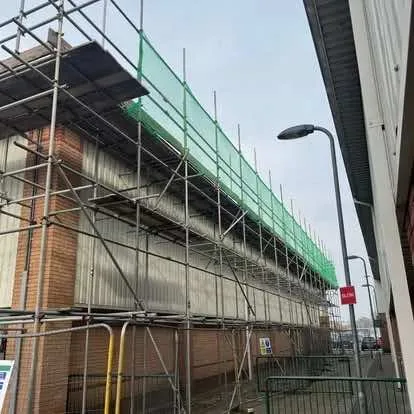
- Façade Work & New Builds: For multi-storey buildings or façade renovations, perimeter nets on scaffolds stop dropped objects from reaching street level. Nets are commonly used for façade refurbishment and new-build scaffolding, as well as bridge maintenance.
- Steelwork & High-Rise: On steel frame or tower projects, open sides mean high fall hazard. Nets are installed on scaffold levels around the building or under steel decks to catch tools and even workers — especially high-rise projects rely on netting to protect the public below.
- Demolition: When walls or slabs are being demolished, heavy debris can fall unpredictably. Safety nets can be draped around the structure or attached to temporary roofs to trap rubble, allowing controlled demolition without stray debris causing injury. In bridge or deep excavation work, vertical containment nets are often hung to catch debris as it falls.
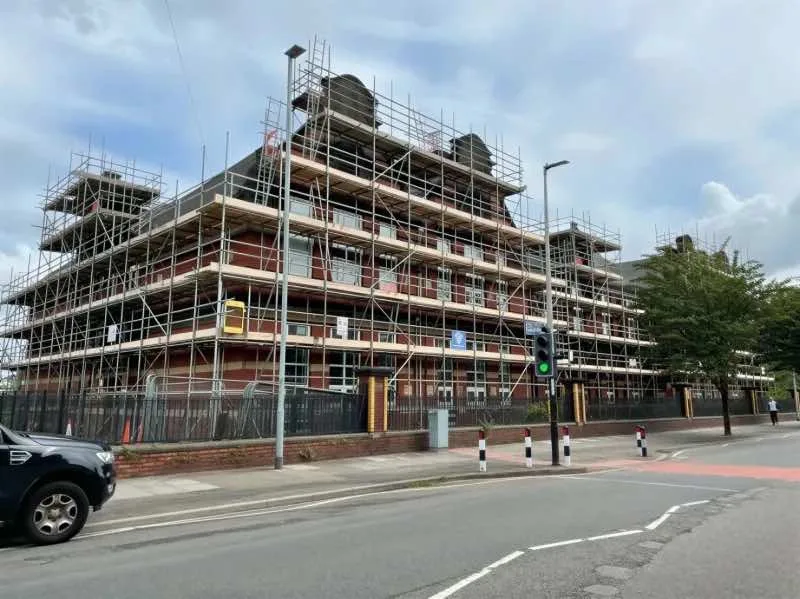
Trust Scaffolding has installed netting on residential builds and commercial projects throughout South Wales — from small domestic extensions to large office or retail developments — applying the right net type for each task.
Integration with Access and Roofing Systems
We offer all safety systems as a single package. Trust Scaffolding's in-house team can supply scaffolding, safety platforms (like our T-Deck decking system), and netting together. Nets can be tied directly into scaffold standards or guardrails (often using certified couplers) to form a continuous barrier. For example, nets work hand-in-hand with edge protection — underguard nets can be attached below the toe-board or handrail as approved by TG20 guidelines. We can also combine nets with temporary roofs or sheeting: a scaffold roof frame covered in tarpaulin will often have netting secured around its edges to catch any wind-blown debris.
By choosing us, you get a coordinated solution — scaffolding, safety platforms, and net systems all in one package. Our crews are trained to plan the access (ladders, stair towers, hoists) and netting together for a smooth installation. This means, for instance, that if we build a stair-tower next to a blocked façade, we can simultaneously drape netting between the tower and building to catch anything that might drop.
Collective Protection Package: Safety Netting + Edge Protection
Safety netting is almost never deployed in isolation — it works best as part of a layered collective protection system alongside perimeter edge protection and, on new builds, T-Deck safety decking. Trust Scaffolding provides all three as a single coordinated package for steel-frame and commercial projects.
“Combine our BS EN 1263-certified safety netting with our BS EN 13374-compliant roof edge protection for a total steel-frame safety solution — one FASET-accredited contractor, one method statement, full compliance for your cladding and roofing teams.” Call 07583 030 338 to discuss a combined site safety package.
Certification and Compliance
All safety nets used on Trust Scaffolding projects meet the required UK/European standards:
- EN 1263-1 & EN 1263-2: Our nets are certified to BS EN 1263-1 (for personal fall-arrest nets) and EN 1263-2 (for debris-catching positioning). These standards specify performance tests, rope strengths, mesh sizes, and anchorage requirements. EN 1263-1 sets dynamic drop tests and minimum material strength so that the net can stop a 100 kg test weight in a fall scenario. We verify manufacturer test certificates and use anchors rated to 10 kN or higher as specified.
- Installation & Inspection: Per HSE guidance, our safety net teams are fully trained and competent. Nets are rigged from ground level whenever possible. After installation, a handover certificate is provided, and we inspect every net weekly (or after any severe weather/impact). Any net that has caught a fall is immediately withdrawn from service, replaced, and re-tested. We document all inspections to help clients comply with CDM record-keeping.
- Edge Protection Compatibility: Safety netting is intended to supplement — not replace — guardrails. HSE explicitly states that nets are not a substitute for fall-prevention measures but can be used in conjunction when risk remains. We always ensure guardrail systems (handrail, midrail, toe-board) are in place where required, then fit nets below or outside them for extra catch-fall protection.
By using certified nets and following NASC best practices (e.g. TG20 design rules, TG27 guidance on cladding/netting), we ensure your scaffold is fully compliant with UK law — including clear labelling, test certificates, and agreed responsibilities.
Trust Scaffolding's Local Expertise
Trust Scaffolding has over 15 years' experience delivering scaffold safety in South Wales. We've erected safety nets on sites in Cardiff, Swansea, Neath, Newport, Bridgend, and throughout the region. Whether it's a small house refurb in Cardiff or a large Newport industrial project, our crews understand local conditions (windy Welsh coasts, congested urban sites, etc.) and the specific requirements for each area. We are an audited member of NASC and hold all relevant accreditations. Our local knowledge means we can quickly advise on whether netting is needed — for example, schools projects may call for catch nets under scaffolds to protect students, while city-centre high-rises use net fans to keep pavements open for pedestrians.
Optional Add-Ons and Upgrades
In addition to basic safety nets, Trust Scaffolding can fit several useful accessories:
- Debris Mesh: For projects with fine dust or small fragments (e.g. demolition dust or plaster debris), we offer dust mesh or higher-density netting with a finer weave (50–100 gsm) to trap small particles. Heavier nets (100–225 gsm) are used for bulk debris.
- Brickguards / Boarding: Scaffold boards installed around loading bays or perimeter lifts to prevent bricks or loads from rolling off the edge. NASC guidance recommends brickguards on all scaffold loading points. Brickguards work with netting — a net hung behind a brickguard catches anything that might fall over the top board.
- Safety Net Fans: Hinged net panels that attach to scaffold or building edges, catching debris beyond the line of the scaffold — especially useful over footpaths or traffic. Adjustable net fans allow daylight through while still absorbing and containing falling objects.
- Vertical Containment Nets: For multi-level scaffolds, we hang nets vertically between levels to act as a screen — useful on tall façades or steel frames to catch anything dropped from upper decks.
All add-ons integrate seamlessly with our scaffolds. Whether you need extra debris netting, brickguards, or net fans, Trust Scaffolding can quote and provide a turnkey solution.
Fall Arrest Systems & Personnel Safety Netting: BS EN 1263 Explained
A personnel safety net installed to BS EN 1263-1 is a fall arrest system — engineered to absorb the kinetic energy of a falling person and bring them to a controlled stop without ground contact. Unlike harness-based personal fall arrest systems, nets provide passive collective protection: every operative in the area is safeguarded automatically, with no individual clip-on or check-in required. BS EN 1263-1 specifies the dynamic drop test (100 kg, 6 m drop), minimum mesh rope strength, and maximum deflection under load. BS EN 1263-2 defines the installation geometry — net-to-anchor distances, maximum unsupported span, and edge-rope fixing intervals. Trust Scaffolding's FASET-trained industrial netting hire teams apply both standards on every job, providing the hand-over certificate and installation declaration your CDM Principal Contractor requires.
FASET Accredited Installers & Steel Frame Fall Prevention South Wales
Steel frame construction creates the most demanding environment for fall prevention — open bays, no permanent floors, and fast-moving erection sequences that leave operatives exposed at multiple levels simultaneously. Trust Scaffolding's FASET-accredited installers design net systems specifically for steel frame fall prevention: horizontal catch nets below working levels, vertical containment nets between bays, and debris catching nets at eaves level for roofing and cladding teams. We work directly with steelwork contractors and main contractors across South Wales to produce a netting sequence that keeps pace with the frame erection programme. Call 07583 030 338 for a free site survey and safety netting quotation.
Safety Netting Solutions We Provide
- Personnel safety nets (BS EN 1263-1 fall arrest)
- Debris containment nets (EN 1263-2)
- Safety net fans for high-rise perimeters
- Brickguards & scaffold boarding
- Vertical containment nets for multi-level scaffolds
- Dust mesh & high-density debris netting
- New build & housebuilding roof-level protection
- Façade, steelwork & demolition netting
- Integrated scaffolding, netting & edge protection packages
- Weekly inspections, test certificates & CDM documentation
Safety Netting FAQs
What is the difference between safety netting and edge protection?
Edge protection (guardrails, toe-boards) prevents people from reaching an edge where they could fall. Safety netting catches anyone — or anything — that does fall, arresting their descent before they hit the surface below. HSE guidance recommends using both together: edge protection as the primary measure and safety netting as a secondary catch system for maximum protection.
What standards must safety nets comply with?
Safety nets in the UK must comply with BS EN 1263-1 (for personal fall-arrest performance, including dynamic drop tests and minimum material strength) and EN 1263-2 (for debris-catching positioning). Anchors must be rated to at least 10 kN. All nets we supply carry valid manufacturer test certificates and are within their certified service life.
Can safety netting be used on domestic projects?
Yes. Safety netting is effective on domestic projects including new build housing, re-roofing, loft conversions, and extensions. On housing developments, nets rigged beneath roof eaves at first-floor level provide continuous, cost-effective fall and debris protection during upper-storey and roofing phases.
Is safety netting a legal requirement?
The Work at Height Regulations 2005 require employers to provide suitable collective fall protection where there is a risk of falling two metres or more. Safety netting is one of several acceptable methods. The specific requirement depends on your project risk assessment, but HSE recognises nets as one of the best tools to protect people at height when falls cannot be fully prevented by other means.
How often are safety nets inspected?
We inspect every net at least once per week and after any severe weather event or impact. Any net that has caught a fall is immediately withdrawn from service, replaced, and re-tested. All inspections are documented to help clients comply with CDM record-keeping requirements.
What optional extras can be added to safety netting?
Trust Scaffolding can add debris mesh (fine-weave netting for dust and small fragments), brickguards for loading bays, safety net fans for catching debris beyond the scaffold line, and vertical containment nets between scaffold levels. All accessories integrate with our scaffold systems for a turnkey solution.
Still have questions? Get in touch with our team — we're happy to help.
Accredited By
Being a member of The Scaffolding Association as Audited Contractors is but one of many accreditations and certifications that we hold.