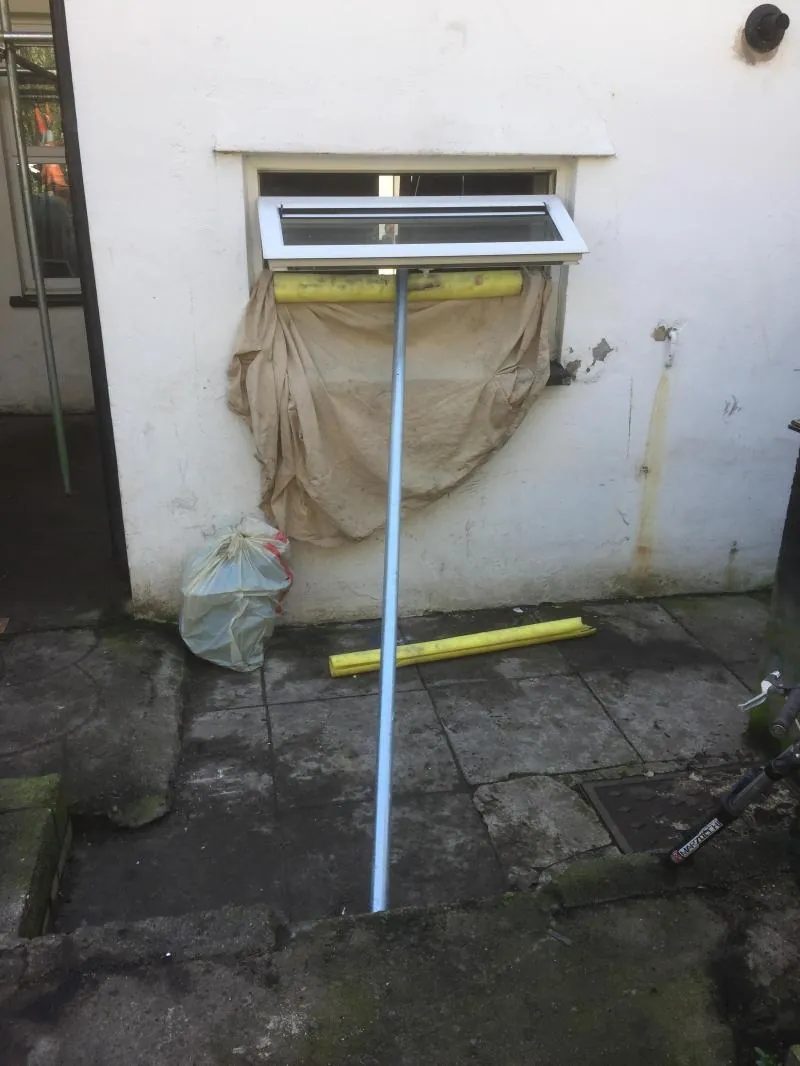
 Domestic Scaffolding
 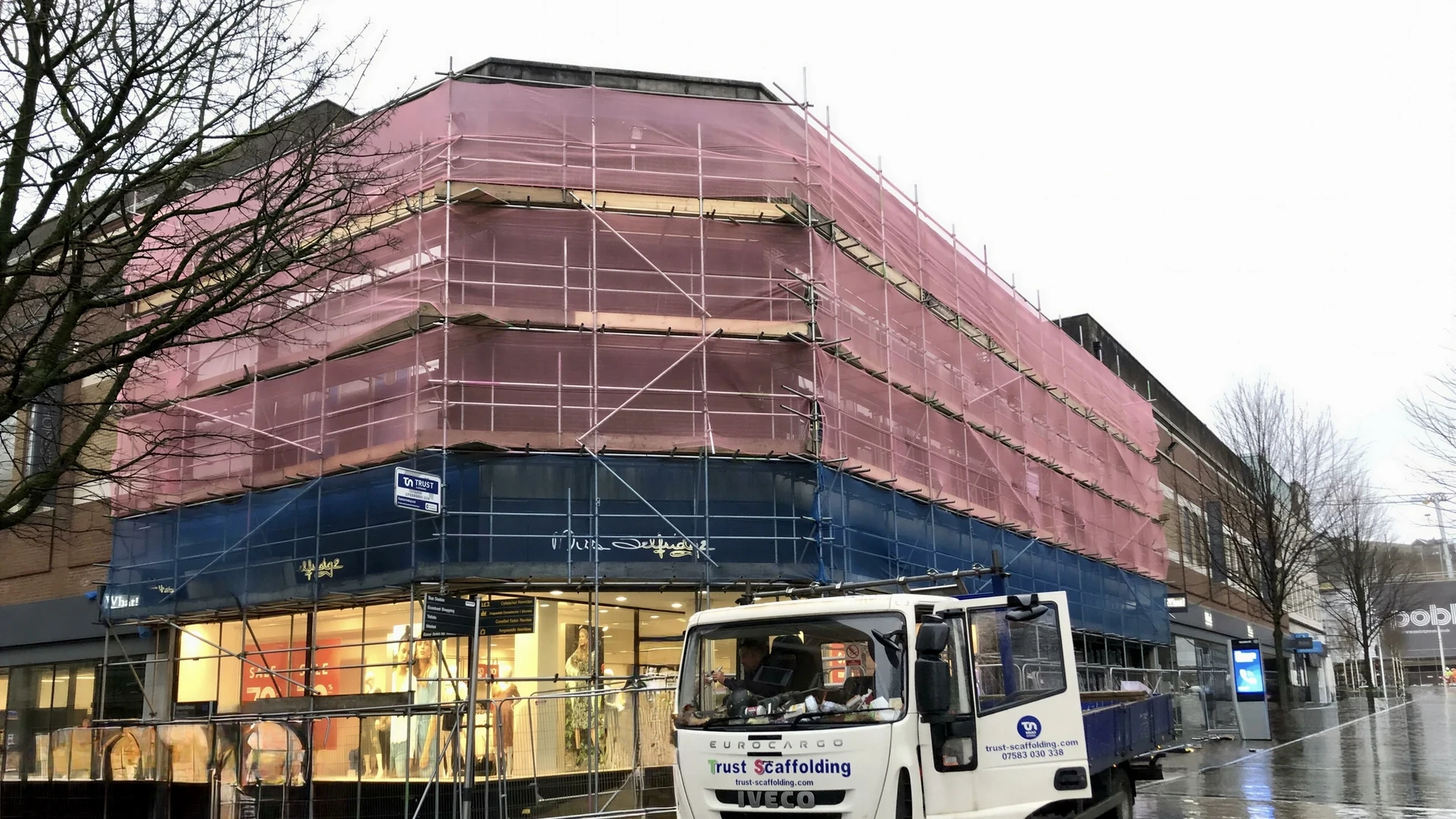 Commercial Scaffolding
 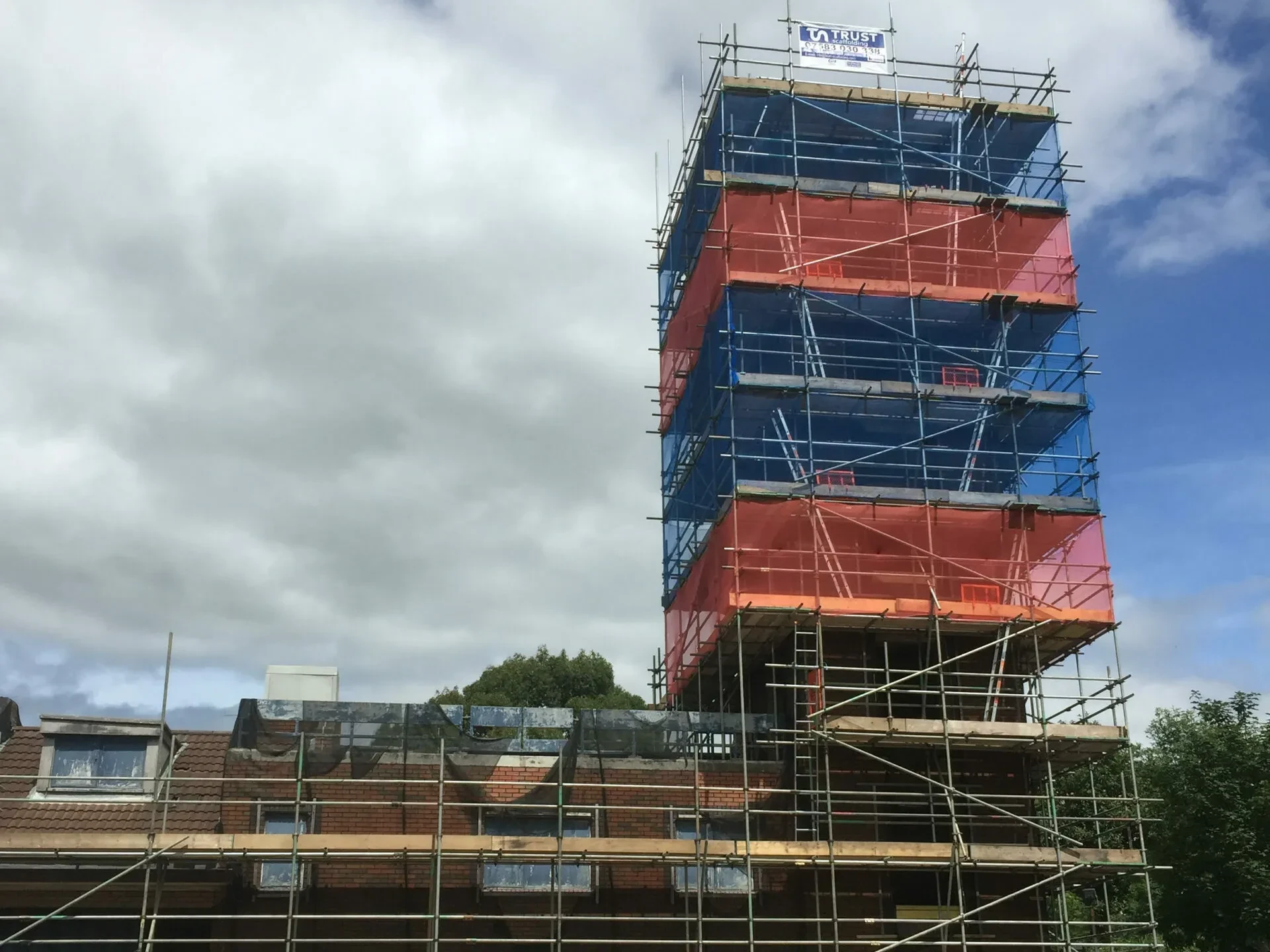 Industrial Scaffolding
 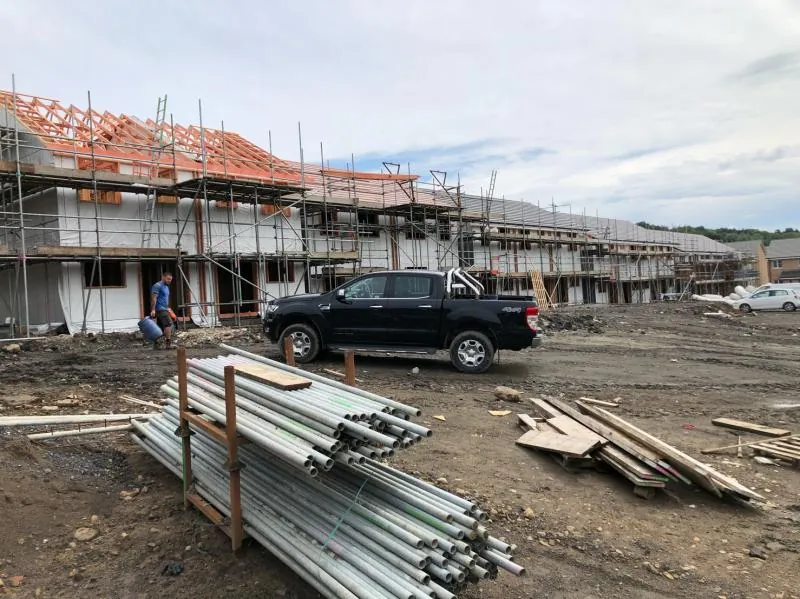 New Build Scaffolding
 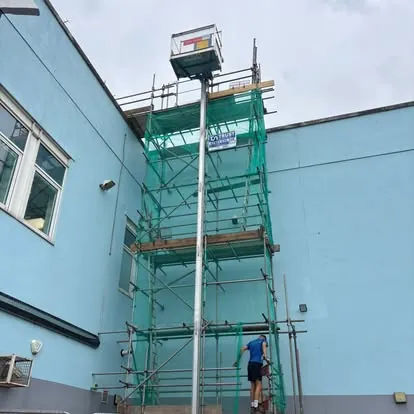 Access Towers
 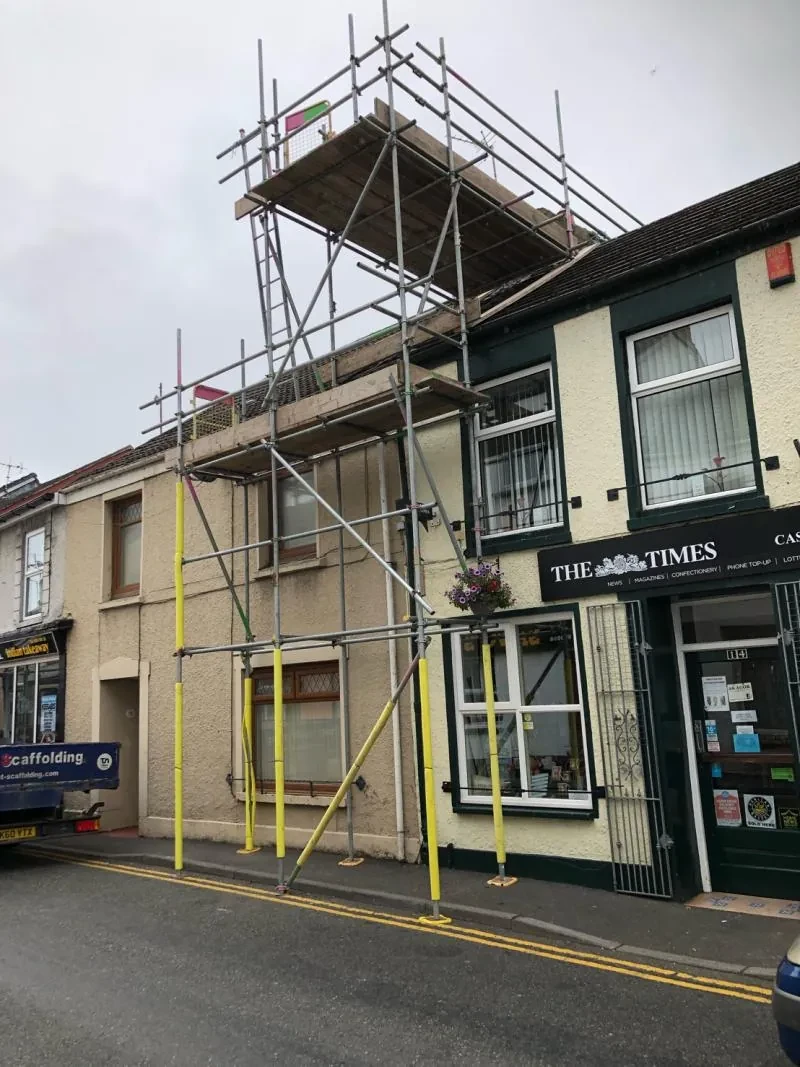 Chimney Scaffolding
 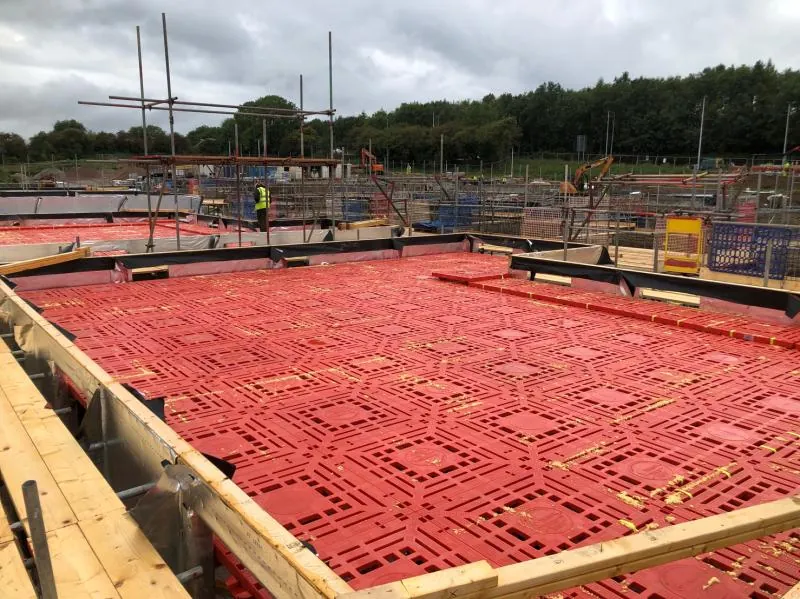 Interior Scaffolding
 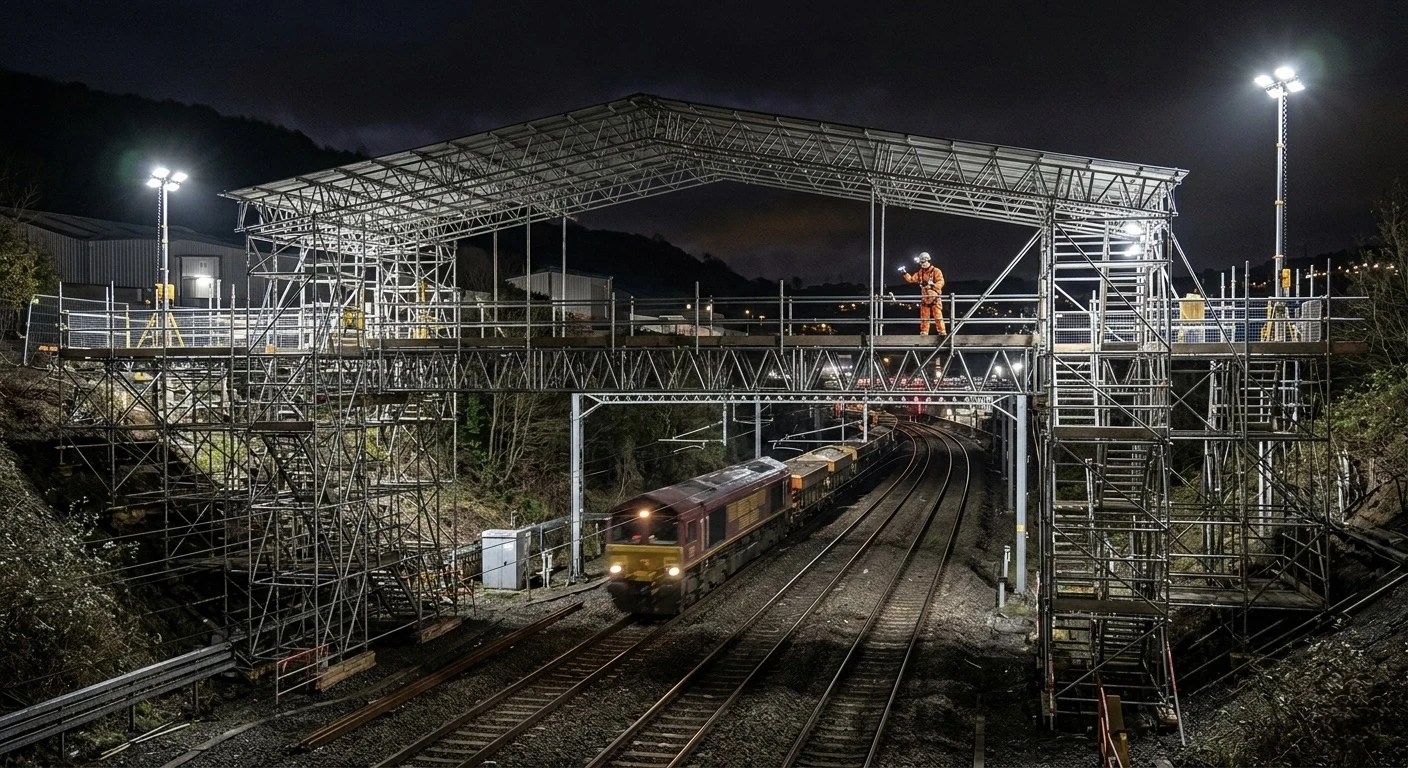 Rail Scaffolding
 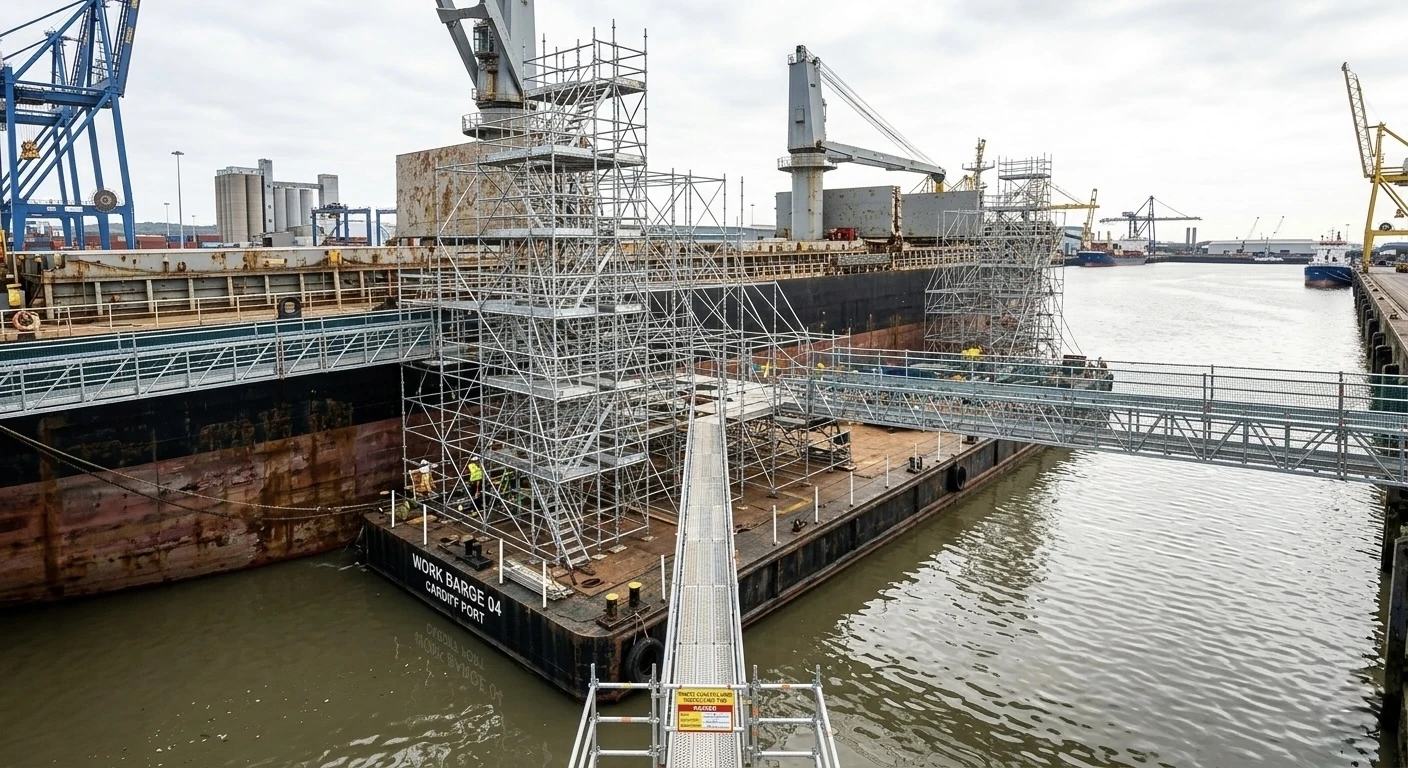 Marine Scaffolding
 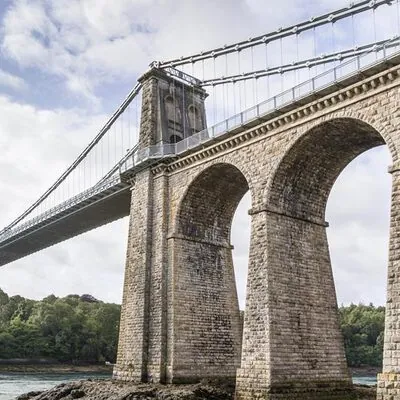 Bridge Scaffolding
  Heritage Scaffolding
 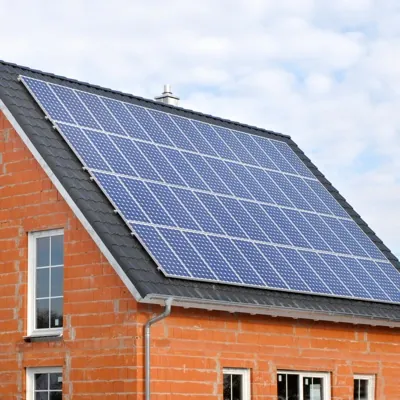 Solar Panel Scaffolding
 Swansea
  Port Talbot
  Neath
Neath  Llanelli
  Carmarthen
  Ammanford
  Haverfordwest
 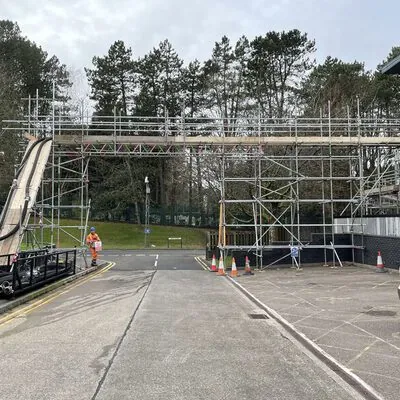 Pembroke Dock
  Cardiff
  Newport
 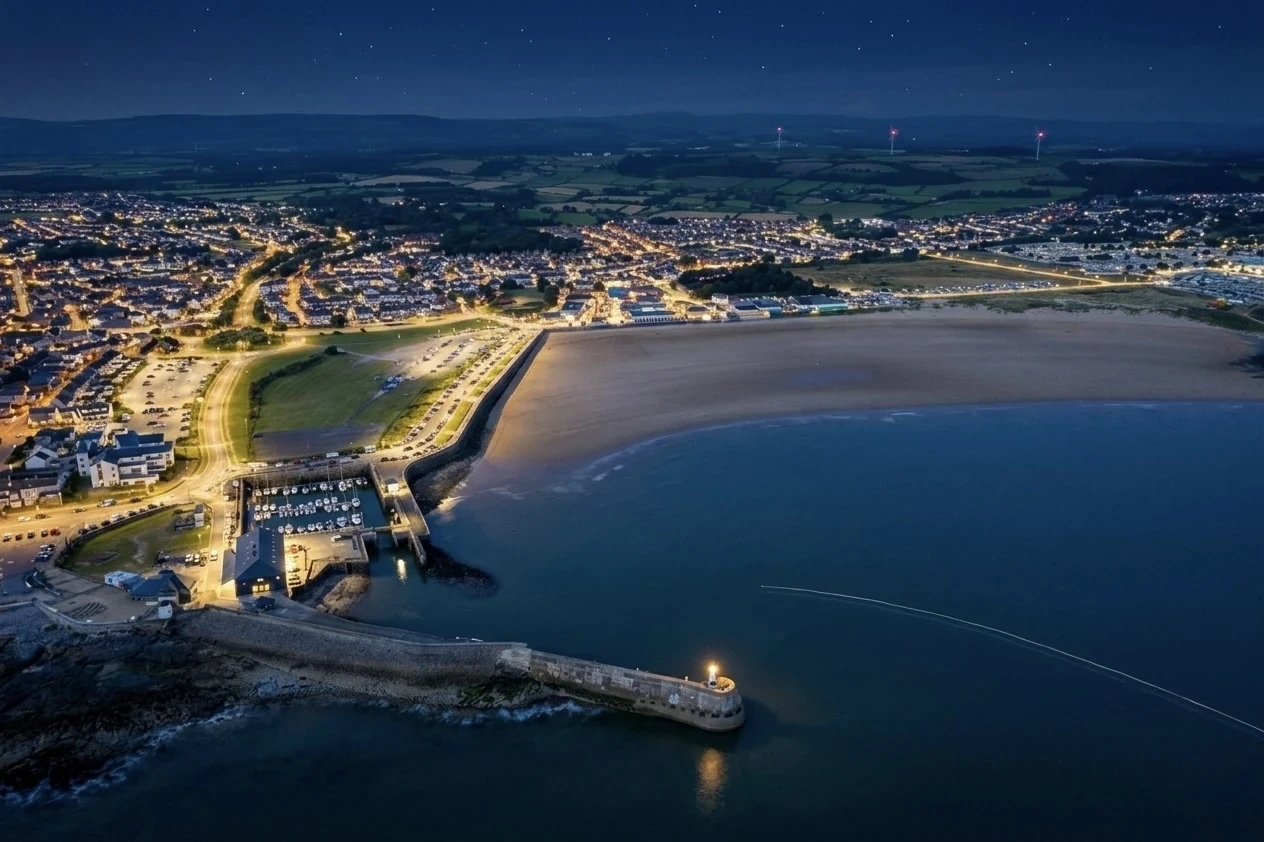 Bridgend
  Pontypridd
  Merthyr Tydfil
 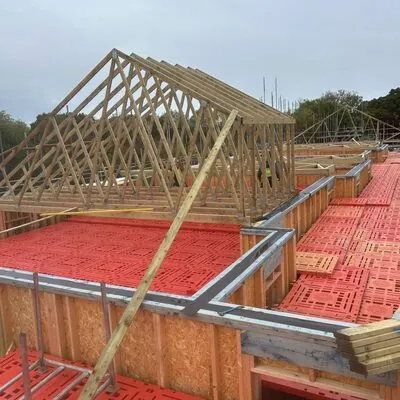 The Valleys
  Caerphilly
  Bristol
 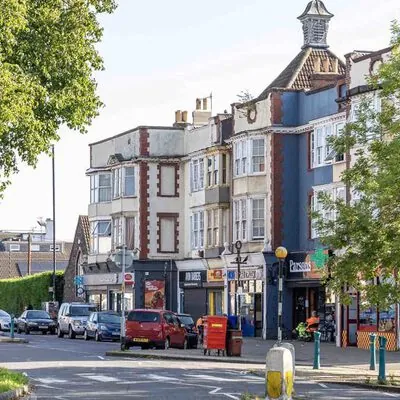 Avonmouth
  Bath
Bath  Weston-super-Mare
 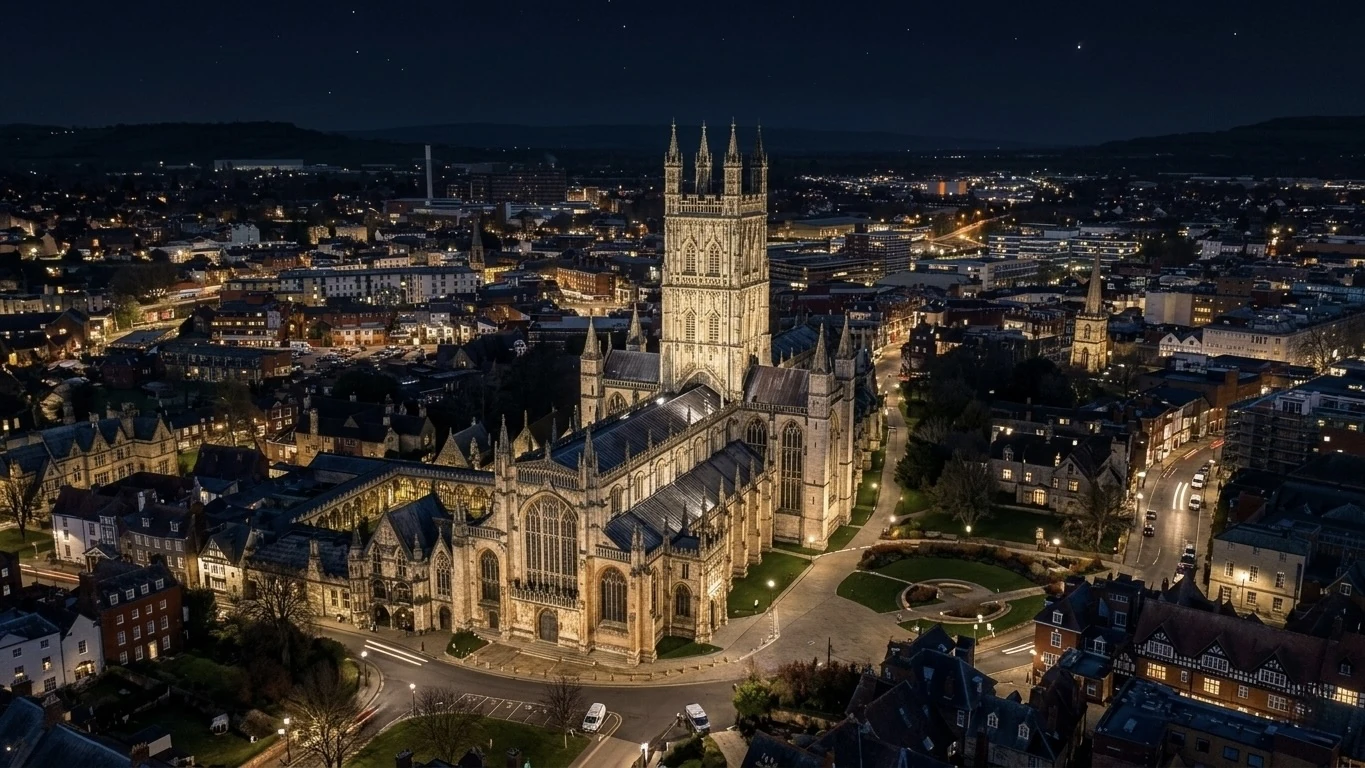 Gloucester
  Cheltenham
 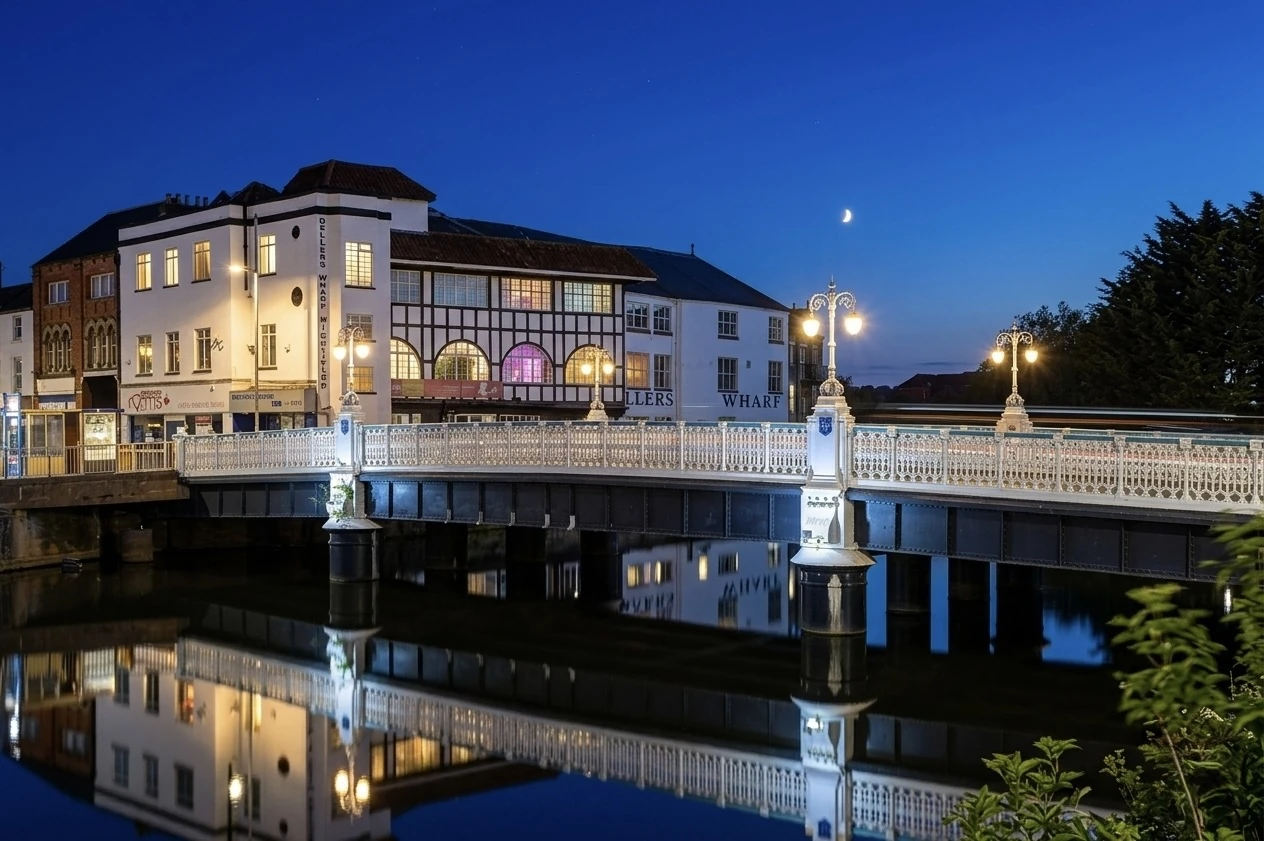 Taunton
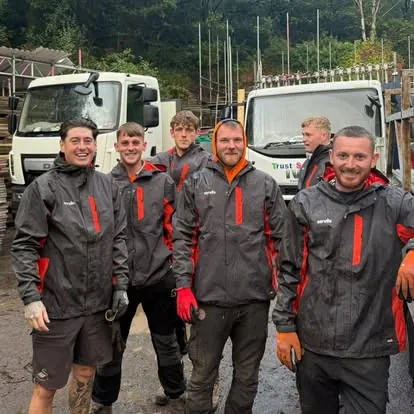


Shoring Scaffolding
Engineered. Calculated. Certified. Shoring scaffolding is never guesswork — every Trust Scaffolding shore is backed by load-bearing calculations, Form C design checks, and BS 5975:2019-compliant engineering before a single prop is placed. Available 24/7 for emergency structural stabilisation across Cardiff, Swansea, Neath, and the whole of South Wales. <a href="/contact/">Request a Structural Shoring Assessment</a>.

Shoring Scaffolding Services in South Wales
Shoring scaffolding is a specialised scaffold used to temporarily stabilise unstable or altered buildings. Our shoring systems use heavy-duty props, beams and braces to support loads that permanent structures normally carry — allowing work to proceed without risk of collapse. Every design is checked against NASC TG20:21 and BS 5975:2019, prepared by qualified engineers and compliant with CDM 2015 and Work at Height Regulations.
Last updated: March 2026
Key Takeaways
- Engineering-led: load-bearing calculations, Form C checks & BS 5975:2019 design before any prop is placed
- Engineered dead, raking & flying shore scaffolds for every structural scenario
- 24/7 emergency structural stabilisation — rapid response for vehicle impact, lintel failure & storm damage
- NASC-audited contractor with 15+ years across South Wales
- End-to-end service: site survey, CDM documentation, load testing & sign-off
- Full coordination with builders, architects, structural engineers & insurers
Engineered Structural Design: Calculation Before Configuration
In shoring, the calculation is the safety net. Every Trust Scaffolding shoring scheme is engineered from first principles — we do not estimate prop spacing or rely on rule of thumb. Developers, architects, and site managers receive a documented design pack before any equipment is installed.
Full dead, live, and wind load analysis to Eurocode standards — determining prop capacity, needle beam sizing, and baseplate bearing pressure for every unique structure.
Independent Form C temporary works checks carried out by a Temporary Works Coordinator — satisfying CDM 2015 principal contractor requirements before any structural element is loaded.
Heavy-duty Acrow, Slimshor, and Megashor-class props selected to match calculated load requirements — not the nearest available size.
Every shoring scheme designed and documented to the current British Standard for temporary works and the NASC scaffold design code — with full as-built records on completion.
Trust Scaffolding delivers custom-engineered shoring solutions across Cardiff, Swansea, Newport, Neath Port Talbot, Bridgend and beyond. Each shoring project begins with a site-specific assessment and risk analysis — we survey the structure and ground conditions, identify load requirements, and design a scaffold tailored to the job. On completion every shoring scaffold is load-tested and inspected to verify it meets the calculated load and bracing requirements per BS EN 12811.
Common scenarios requiring shoring scaffolds include:
- Wall and floor openings — supporting a wall or floor when removing sections for doors, windows or extensions.
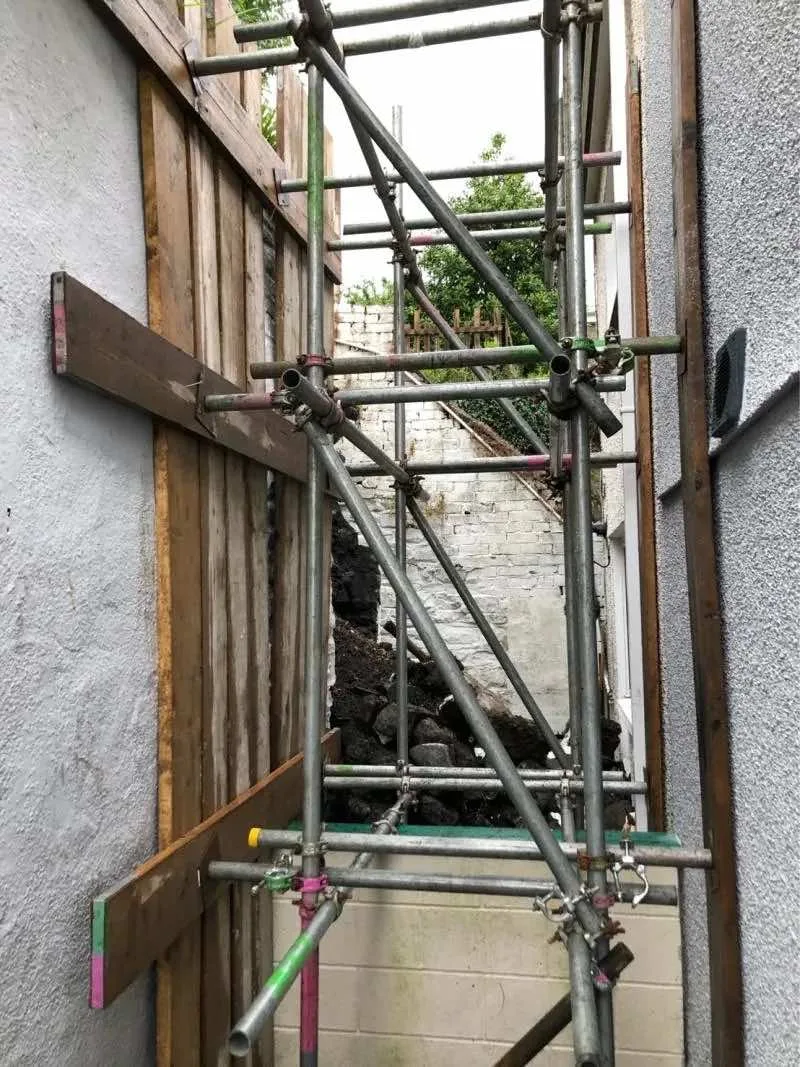
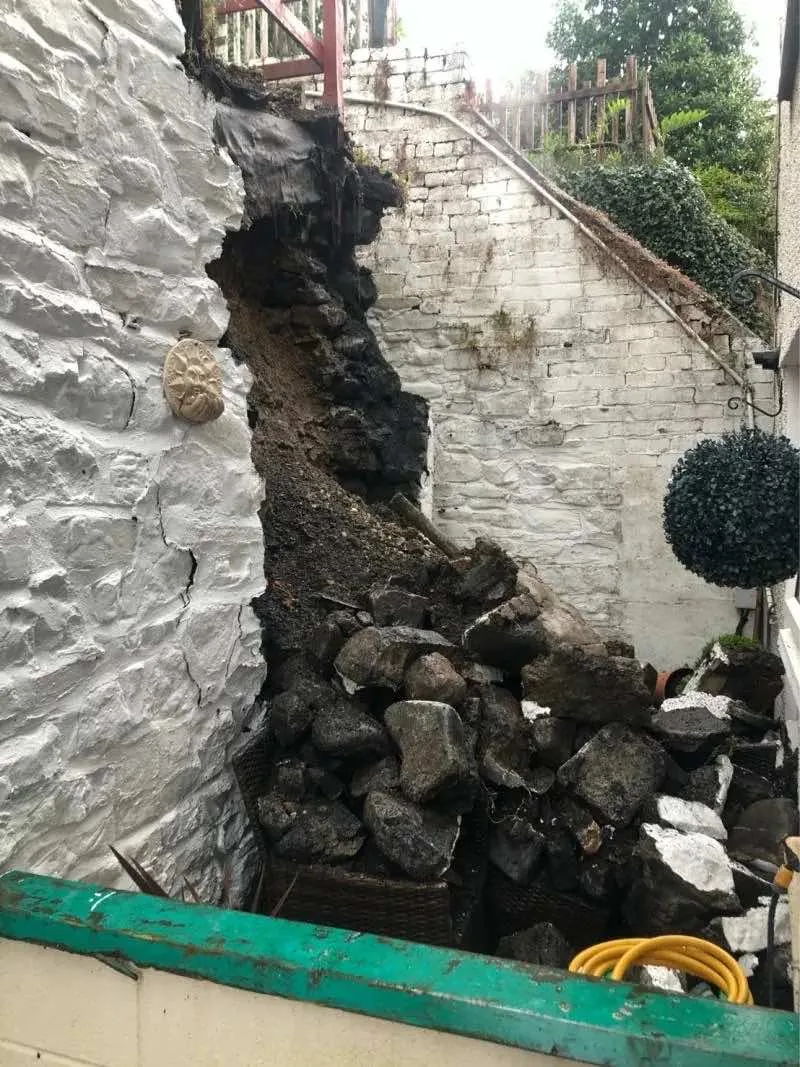
- Damaged or bulging walls — stabilising facades or walls that have cracked or bowed due to subsidence, settlement or impact.
- Structural refurbishments — carrying loads during major renovations (e.g. replacing ground-floor walls or installing new lintels) so upper floors remain supported.
- Emergency propping — rapidly shoring buildings after sudden damage (storms, fire, subsidence) to prevent collapse and allow safe repairs.
Emergency Structural Stabilisation: 24/7 Rapid Response
Available 24 hours a day, 7 days a week for immediate structural support. We respond rapidly to stabilise unsafe structures after vehicle impacts, failed lintels, fire damage, or severe storm movement — providing the essential propping needed for forensic teams, structural engineers, and emergency repair crews to begin work safely. Call 07583 030 338 for immediate response, or see our dedicated Emergency Scaffolding page.
Types of Shoring
Shoring scaffolds come in three main forms, each suited to different conditions:
Vertical props and screw-jacks that transfer overhead loads straight to the ground — the primary solution when removing load-bearing walls, replacing lintels, or supporting floors above an opening. Multiple storeys can be propped by staging shores on each level.
Angled diagonal struts bearing against a wall from ground level to provide lateral restraint — used when a façade or wall is leaning, cracked, or being undermined. Fixed via needle beams and wall-plates to prevent outward or inward collapse.
Horizontal braces spanning between two parallel walls — stabilising both without obstruction at ground level. The preferred solution when access beneath must remain clear for vehicles, plant, or pedestrians during demolition or rebuild.
Dead Shores
Dead shores use vertical posts and jacks to support a load directly from below. These consist of adjustable steel props standing under a wall, floor or beam to carry its weight down to the ground. For example, when removing the lower part of a load-bearing wall to install an opening, a row of dead shores is erected under the remaining wall or floor. The props are topped with screw jacks that transfer the overhead load safely to foundations or supporting beams. Multiple storeys can be propped by staging vertical shores on each level. Dead shores are the simplest and strongest shoring type for vertical support.
Raking Shores
Raking (inclined) shores use angled braces to support a wall laterally. These consist of diagonal struts ('rakers') leaning against the wall and bearing on the ground or a sturdy base. Raking shores are installed when a façade or wall needs side support without blocking the space directly in front of it — for example, during the repair of a historic wall or chimney. The struts are fixed to the wall with wall-plates or needles, preventing the wall from falling outward or inward. Raking shores are often used from the start of demolition or repair work until the permanent structure is re-built.
Flying Shores
Flying shores (or flying struts) are horizontal braces between two walls. They span across an open space, pushed against two parallel walls (often party walls of adjacent buildings) to stabilise both. Because they bridge the gap, flying shores leave the floor or street below unobstructed — ideal when access must be kept clear for vehicles or equipment. Flying shores are commonly used when demolishing an internal wall between buildings or when supporting a façade while a rear structure is rebuilt.
Engineered Design & Safety Compliance
Every shoring scaffold is an engineered solution. We carry out a full site survey and prepare customised scaffold drawings with load calculations covering all imposed loads (live, dead and wind) per Eurocode standards. Designs are checked for compliance with NASC TG20:21 (correct tube sizes, bracing and transom spacing) and BS 5975 procedures for temporary works. In practice this means assigning a Temporary Works Coordinator, obtaining any required permits (e.g. highway licences) and integrating Structural Engineer input — HSE GS51 guidance requires shoring schemes to be prepared by a chartered civil/structural engineer.
All equipment and materials meet British standards. Steel props, ledgers and couplers are tested per BS EN 12811 performance requirements. We document every step — design brief, site-specific risk assessment, method statement and final as-built sketches. Our in-house Health & Safety team ensures full compliance with the UK's Work at Height Regulations and CDM duties.
As a NASC-audited contractor with over 15 years of industry experience, our fully qualified CISRS scaffolders and supervisors work closely with engineers and clients. We pride ourselves on clear communication — coordinating with property owners, builders and insurers — so that everyone is confident in the safety and reliability of the shoring solution.
Structural Shoring South Wales & Dead Shoring for Lintel Replacement: Wall Stabilisation Scaffolding
Trust Scaffolding is South Wales's specialist for structural shoring across Cardiff, Swansea, Newport, Neath, and Bridgend. From dead shoring for lintel replacement and load-bearing wall removal to wall stabilisation scaffolding after impact or subsidence, our engineering-led approach covers every temporary works scenario. Our Temporary Works Coordinators manage the full process — Form C checks, CDM documentation, and liaison with your structural engineer — so principal contractors and developers have a single accountable shoring partner.
Raking Shores Cardiff & Heavy-Duty Temporary Roof Support: Emergency Structural Shoring South Wales
For raking shores Cardiff and South Wales, emergency propping after vehicle impacts, and temporary roof support during major structural renovations, Trust Scaffolding responds 24/7 with the engineering resource and certified equipment to stabilise any structure safely. Our emergency structural shoring service is the first call for insurance companies, loss adjusters, and structural engineers who need a fast, documented response — with load calculations and method statements delivered alongside the props. Book a structural shoring assessment today.
Shoring Scaffolding Solutions
- Site survey, risk assessment & planning
- Engineering design, CAD drawings & load calculations
- Dead shore installation — vertical props & jacks
- Raking shore installation — angled lateral wall support
- Flying shore installation — horizontal braces between walls
- Scaffolding access platforms & stair towers
- Certified steel props, tubes, couplers & baseplates
- Load testing & BS EN 12811 inspection
- Full documentation — drawings, method statements & certificates
- Stakeholder coordination with builders, engineers & insurers
- Emergency 24/7 shoring response
Shoring Scaffolding FAQs
How quickly can you install a shoring scaffold?
For emergencies we operate a 24/7 call-out and can often mobilise crews within hours. For scheduled projects, typical lead times are planned to fit your programme — installation speed depends on scope and size, but we always aim for fast design turnaround while maintaining safety.
Do you provide the engineering design and calculations?
Yes. Our service includes full engineering support — we either have in-house structural engineers or partner with them to produce all necessary drawings and calculations. You receive a certified design pack showing loads, member sizes and support details for your specific project.
Can you work with my builder, architect or insurer?
Absolutely. We routinely coordinate with main contractors, architects and insurance companies. We supply all documentation — drawings, method statements, risk assessments — needed for building permits or insurance claims and liaise with your project stakeholders throughout.
What standards do your shoring systems meet?
All our shoring scaffolds follow NASC TG20:21 for tube-and-fitting scaffolds and comply with BS 5975 for temporary works design. Materials meet BS EN 12811 requirements, and we perform inspection and load tests as specified in these standards.
Do you offer emergency shoring services?
Yes — emergency shoring is a core service. Our crews and equipment are on standby 24/7. We can rapidly secure a collapsed or at-risk structure using temporary shores, preventing further damage or collapse.
What is the process once we engage you?
First we conduct a detailed site assessment (often same-day if urgent). Engineers then design the scaffold and we prepare documentation. We install the shoring scaffold with full safety measures, load-test and certify the structure, and provide a full compliance report. You are kept updated at each step.
How long do shoring scaffolds stay in place?
Shoring scaffolds remain until the permanent structure is self-supporting — this might be weeks or months depending on the project. We periodically inspect the shoring to ensure ongoing safety and carefully dismantle the shores once the structure is stable.
Can you handle shoring for any type of building?
We regularly shore everything from houses and shops to industrial plants and historic buildings. Our design is always tailored to the building type, load and condition — if you have an unusual situation, our engineers will assess it and propose the right shoring system.
How can I get a quote?
Contact Trust Scaffolding for a free estimate and consultation. We will arrange a site visit, discuss your needs, explain the shoring options and provide a competitive quote covering design, materials, labour and any permitting required.
Still have questions? Get in touch with our team — we're happy to help.
Accredited By
Being a member of The Scaffolding Association as Audited Contractors is but one of many accreditations and certifications that we hold.